 EN

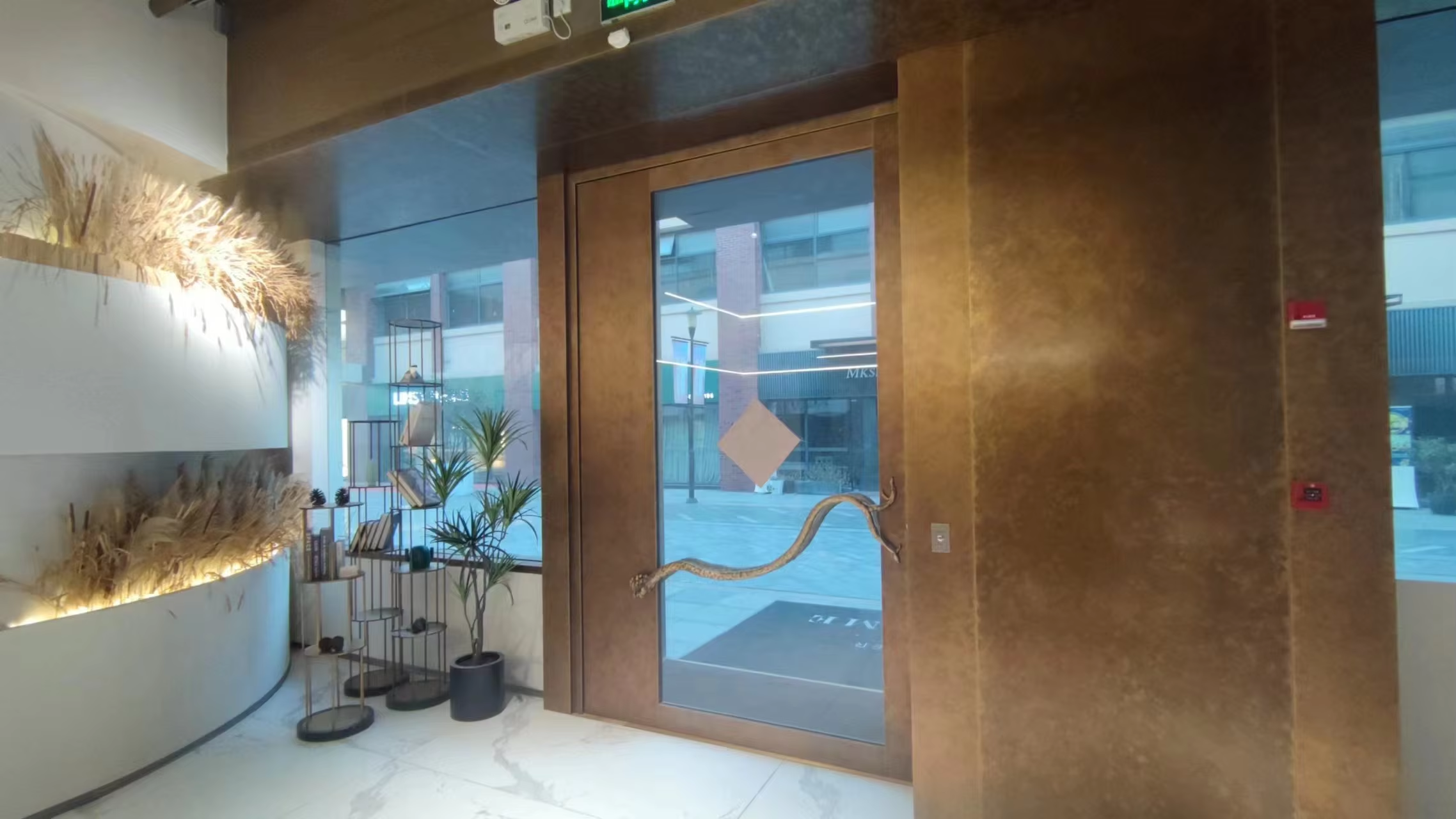
Custom steel exterior doors improve building security and durability when the complete opening is designed as a system, not treated as a slab alone. The door, frame, hinges, lock preparation, finish, and installation all affect how well an entrance handles daily use and attempted forced entry. For owners planning a project, the value lies in matching these components to the building’s traffic, exposure, and access-control needs.
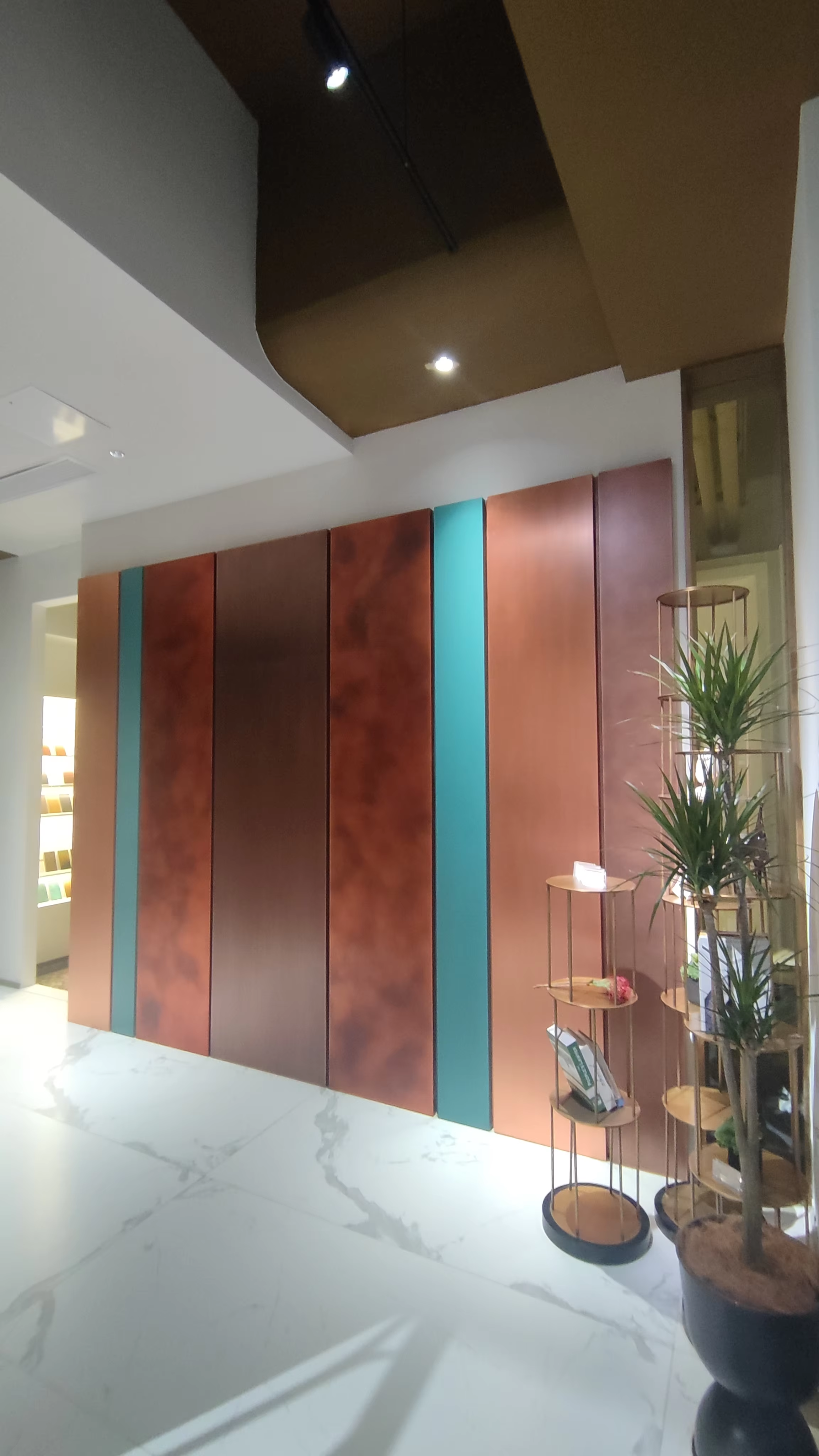
The practical advantage is control over dimensions, hardware preparation, appearance, and protective finish. That flexibility helps address site-specific risks, from a frequently used service entrance to a prominent commercial front door. Good planning also connects steel entry door frames and installation with rust prevention for metal exterior doors and commercial steel door security features, so strength is supported by fit and upkeep.
Security Begins With a Coordinated Door Opening
Match door construction to the entrance risk
A steel door can provide a robust barrier, but security depends on the entire opening. Assess who uses the entrance, whether deliveries pass through it, what hours it remains occupied, and how it connects to interior zones. These conditions help specify custom steel exterior doors with suitable thickness, reinforcement, and hardware preparation. They also determine which commercial steel door security features deserve priority rather than being added without a clear purpose.
For example, an office lobby may need controlled entry and a clear view of approaching visitors, while a back-of-house opening may place greater emphasis on restricted access and dependable latching. Include the frame and anchoring in the review: steel entry door frames and installation must suit the wall construction and expected use. A well-matched opening reduces weak points around the leaf, where poor alignment or inadequate support can undermine the door’s intended role.
Specify hardware and frame details together
Locks, closers, hinges, and access-control devices should be coordinated before fabrication. Confirm the selected hardware fits the door preparation and frame, and consider how staff will operate it during normal traffic and emergency egress. Commercial steel door security features may include reinforced lock areas, compatible locking arrangements, and protected hinge details. Their effectiveness depends on accurate dimensions, appropriate installation, and a maintenance plan that keeps moving parts functional.
This coordination is one reason custom steel exterior doors can suit nonstandard openings or specific operating requirements. Establish clear tolerances, handing, threshold details, and finish expectations in the project documents. Steel entry door frames and installation should be reviewed alongside adjacent wall conditions, because a strong assembly still needs sound attachment points. When these details are confirmed early, contractors can reduce field adjustments that affect fit, appearance, or reliable closure.
Durability Depends on Fit, Finish, and Exposure
Design for weather and routine operation
Durability starts with choosing a door and finish for the actual site environment. Rain exposure, humidity, airborne contaminants, temperature changes, and cleaning practices can all influence long-term condition. Rust prevention for metal exterior doors begins with a suitable coating system, sound surface preparation, and careful protection of edges and hardware cutouts. Specify these factors before ordering so the finish is considered as part of the assembly rather than an afterthought.
A well-fitted opening also limits rubbing, impact damage, and uneven wear. Check that the frame is plumb and square, the threshold is appropriate, and the door closes without excessive force. Steel entry door frames and installation need to account for wall alignment and the selected seal arrangement. For custom steel exterior doors, accurate measurements help ensure that weather seals contact as intended and that routine operation does not place avoidable strain on hinges or latches.
Protect the coating through installation and care
Even a durable factory finish can be damaged by careless transport, cutting, drilling, or installation. Establish handling procedures, protect exposed surfaces, and follow the coating supplier’s repair instructions if scratches occur. Rust prevention for metal exterior doors also means keeping water from collecting at vulnerable joints and inspecting edges where wear may expose the underlying metal. Addressing small finish defects promptly is usually more manageable than allowing corrosion to spread unnoticed.
Maintenance should fit the building’s exposure and operating schedule. Clean the surface with compatible products, check seals and drainage paths, and examine hinges, fasteners, and thresholds during routine facility inspections. Do not assume that commercial steel door security features remain effective without adjustment; loose hardware or a dragging door can interfere with secure latching. A documented inspection routine supports the expected service life of the opening and helps staff identify wear before it disrupts access.
Project Decisions That Make Performance Predictable
Resolve specifications before fabrication
Begin with verified field measurements and a written schedule for each opening. Record wall type, required clearances, swing, threshold conditions, finish exposure, and access-control requirements. This information lets the project team evaluate custom steel exterior doors against real site conditions. It also provides the basis for confirming steel entry door frames and installation details, including anchorage, perimeter gaps, and how the assembly meets adjacent construction.
Review hardware compatibility as a package instead of selecting each component in isolation. Confirm that the door preparation, frame reinforcement, lockset, closer, and access-control interface work together. Commercial steel door security features should address a defined operational need, such as controlled staff entry or dependable closure after passage. The specification should identify responsibilities for coordination, field verification, and finish repair so that important details are not left to assumption.
Balance security, durability, and building use
A front entrance has different priorities from a loading-area door, even when both need dependable strength. Consider visibility, frequency of use, exposure, and the consequences of a door being left unsecured. Rust prevention for metal exterior doors may require additional attention at a coastal or frequently washed location, while a sheltered entrance may have a different inspection cadence. These conditions inform a proportionate choice without relying on one specification for every opening.
Finally, plan for the people who will use and maintain the entrance. A door that is difficult to operate can encourage unsafe workarounds, while unclear inspection ownership can allow minor damage to persist. Include training on normal operation, cleaning compatibility, and reporting of defects. When custom steel exterior doors are specified with their frames, finishes, and commercial steel door security features in mind, the result is a more coherent security and durability strategy for the building.
FAQ
Do custom steel exterior doors improve security on their own?
They can provide a strong door leaf, but the opening’s security also depends on the frame, anchorage, hardware, and installation quality. Select commercial steel door security features for the entrance’s actual use, then check that the components operate together and support proper latching.
What helps prevent corrosion on an exterior steel door?
Choose a finish suited to site exposure, protect it during handling, and repair damage according to the coating guidance. Regular cleaning and inspection support rust prevention for metal exterior doors, particularly at edges, joints, and areas where water or repeated contact can wear the surface.
What should a project team verify before installation?
Confirm field dimensions, wall conditions, swing, clearances, hardware preparation, and finish requirements. Review steel entry door frames and installation together so the assembly is anchored and aligned correctly. A complete specification helps custom steel exterior doors deliver the intended fit, operation, and protection.