 EN

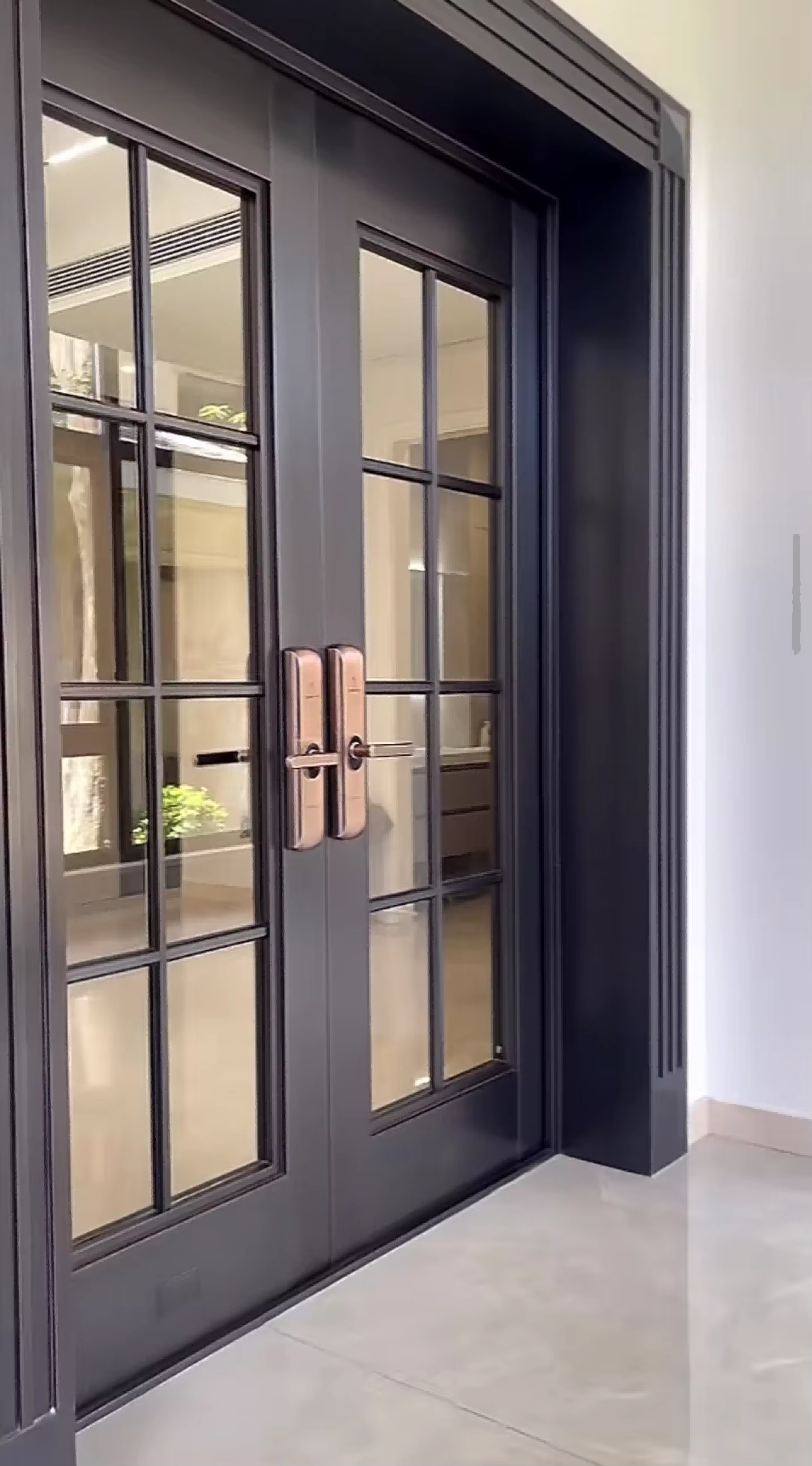
When sourcing custom steel exterior doors, coating choice should be treated as a project requirement, not a finishing detail selected after fabrication. The right system depends on exposure, substrate preparation, color needs, maintenance expectations, and how the door will be installed. Reviewing steel entry door installation conditions, weather-resistant exterior door frames, and commercial steel door specifications together helps buyers compare complete assemblies instead of paint names alone.
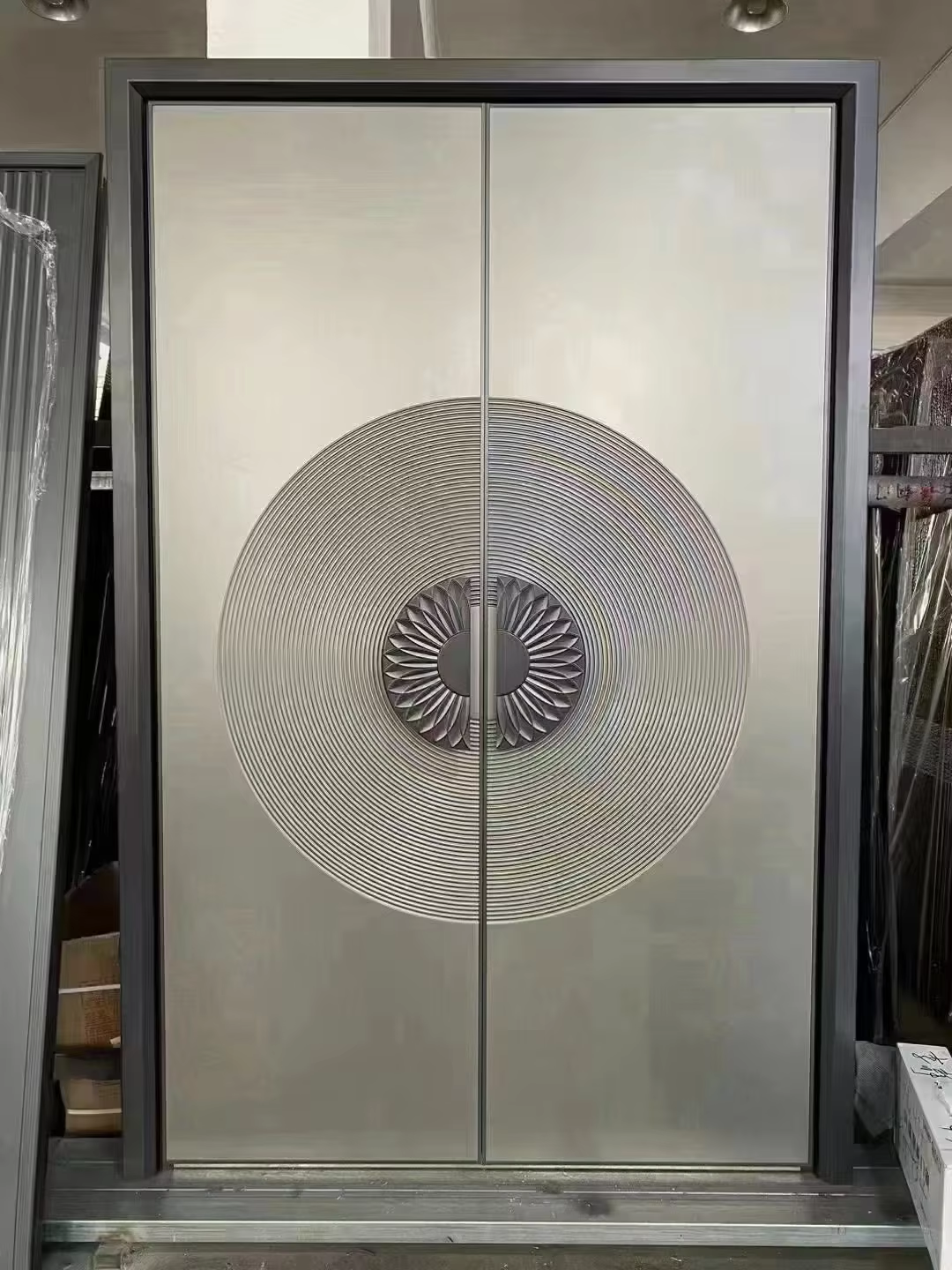
A practical sourcing decision starts by matching a coating to the actual site environment and the expected service routine. Ask how the finish is applied, what preparation precedes it, and how edges, joints, and hardware are treated. For steel entry door installation, weather-resistant exterior door frames, and commercial steel door specifications, clear answers make finish quality easier to define and inspect before delivery.
Match the coating to exposure and use
Assess the site before naming a finish
Begin with the door location: a sheltered office entrance faces different moisture and ultraviolet exposure from a coastal opening or an exposed loading area. A coating schedule should identify sunlight, rain, airborne salts, cleaning chemicals, and the frequency of contact. These details shape steel entry door installation planning, while weather-resistant exterior door frames require attention to the whole opening rather than the leaf alone. Commercial steel door specifications should record the exposure assumptions behind the selected system.
Do not rely on a generic label such as exterior grade without asking what it means for the project. Request the coating type, intended use, color or gloss range, and any documented limitations. For custom steel exterior doors, also confirm whether the proposed finish suits the chosen material and hardware. A coating selected for a protected entrance may need different maintenance planning from one used on an unsheltered facade; weather-resistant exterior door frames must account for the same site conditions.
Compare coating systems by function
Painted systems can offer broad color choice and a repairable surface, but their results depend on preparation and consistent application. Powder coatings create a factory-applied film and may be specified in varied finishes, while specialized liquid coatings can suit particular appearance or project requirements. The coating description alone does not establish service life. Commercial steel door specifications should state the system and preparation, and steel entry door installation teams need instructions for protecting finished surfaces during handling.
Ask whether the coating is applied to components before assembly or to the completed door, and how concealed areas are protected. Confirm treatment at welds, corners, cut edges, and interfaces where moisture can collect. For custom steel exterior doors, finish continuity matters as much as the broad surface appearance. Weather-resistant exterior door frames should be assessed for matching coverage, especially where frame joints and anchors may be exposed after installation.
Verify preparation and frame protection
Specify the surface preparation sequence
Coating performance starts before the first layer is applied. The supplier should describe cleaning, removal of oils or scale, surface conditioning, primer use, and the process for checking coverage. Ask how the preparation is controlled across the door leaf and frame, not just on sample panels. Steel entry door installation can expose areas to abrasion, so handling requirements should be clear. Commercial steel door specifications should define acceptable finish condition and the inspection method.
A written process also makes project reviews more useful. Request documentation that identifies the coating layers, curing or drying controls, and any touch-up material recommended for site repairs. For custom steel exterior doors, clarify how damage discovered at receipt will be recorded and resolved. Weather-resistant exterior door frames need particular scrutiny at seams and lower sections, where water may linger. These checks help buyers distinguish a named coating from a controlled finishing process.
Treat the frame as part of the coated assembly
The frame, threshold, hinges, fasteners, and adjacent wall conditions all affect how the finished entrance behaves. Confirm that frame material and finish are compatible with the door leaf and intended exposure. Weather-resistant exterior door frames should be coordinated with drainage, sealant, and anchoring details, rather than evaluated as a color-matched accessory. Commercial steel door specifications can identify which interfaces require coating protection and which require a separate seal or compatible component.
Installation can damage even a properly prepared finish if lifting points, tools, or storage practices are unsuitable. Agree on protective packaging, inspection at unloading, and repair procedures before shipment. During steel entry door installation, avoid dragging components or applying unapproved cleaners. For custom steel exterior doors, the finish requirements should travel with installation documents so crews understand which surfaces need protection. This coordination helps weather-resistant exterior door frames retain their intended coverage after anchoring and adjustment.
Make coating requirements procurement-ready
Turn preferences into measurable submittals
A useful specification names the coating system, color reference, sheen, preparation expectations, and areas requiring special treatment. It should also explain how samples will be reviewed and what constitutes an acceptable finish variation. Commercial steel door specifications can include these points alongside dimensions, hardware, and opening conditions. Buyers sourcing custom steel exterior doors should request a representative sample or finish panel when appearance is important, while recognizing that a sample cannot replace production inspection.
Ask for submittals that connect the finish to the actual assembly. A coating data sheet, preparation description, and care guidance give the project team a basis for review. If steel entry door installation is handled by a separate contractor, provide the approved handling and touch-up instructions before work begins. Commercial steel door specifications should state who checks the finish at delivery and how exceptions are documented. This closes gaps between design intent, fabrication, transport, and site work.
Balance appearance, upkeep, and lifecycle needs
The lowest initial coating cost may not be the best fit if the entrance is difficult to access or frequent refinishing would disrupt operations. Compare expected cleaning methods, repair availability, and acceptable wear with the building's maintenance plan. Custom steel exterior doors used at a high-traffic public entrance may need a finish that tolerates routine contact and can be locally repaired. Weather-resistant exterior door frames should have practical care instructions, since frame surfaces are often exposed to cleaning and impact.
Before approval, align the finish choice with the whole project team. The architect can confirm appearance, the facilities team can review upkeep, and the installer can flag site exposure or handling constraints. Steel entry door installation plans should preserve the finished surface through adjustment and commissioning. Record approved coating details in closeout documents, including the product identification supplied for the project and any repair guidance. That record makes future maintenance more consistent and keeps commercial steel door specifications useful beyond procurement.
FAQ
Which coating detail should buyers confirm first?
Confirm the complete coating system and its preparation process, then check that both leaf and frame are included. Commercial steel door specifications should connect that system to the project's exposure and inspection expectations.
Can installation affect a factory-applied finish?
Yes. Handling, storage, tools, and adjustment can scratch or chip finished surfaces. Steel entry door installation instructions should identify protective measures and approved repair methods before the door reaches the site.
How should frame coatings be evaluated?
Review frame coverage at seams, edges, anchors, and lower sections, then coordinate it with drainage and seals. Weather-resistant exterior door frames need the same exposure-based review as the door leaf.