 EN

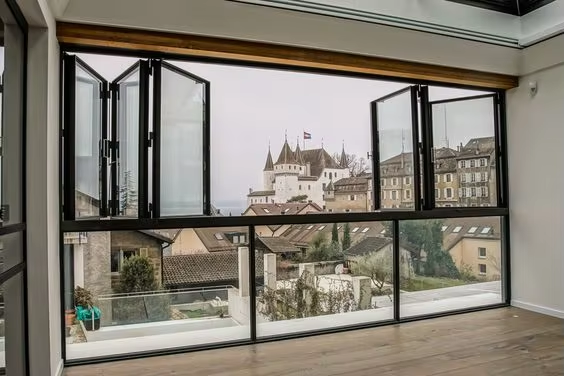
Customizing a sliding steel window for project-specific needs requires a strategic approach that balances structural integrity, aesthetic requirements, and functional performance. Manufacturers today offer extensive customization options to ensure that each sliding steel window aligns with the unique demands of commercial, industrial, and residential applications. Understanding how this customization process works empowers project managers, architects, and building owners to specify windows that deliver long-term value and meet exacting performance standards.
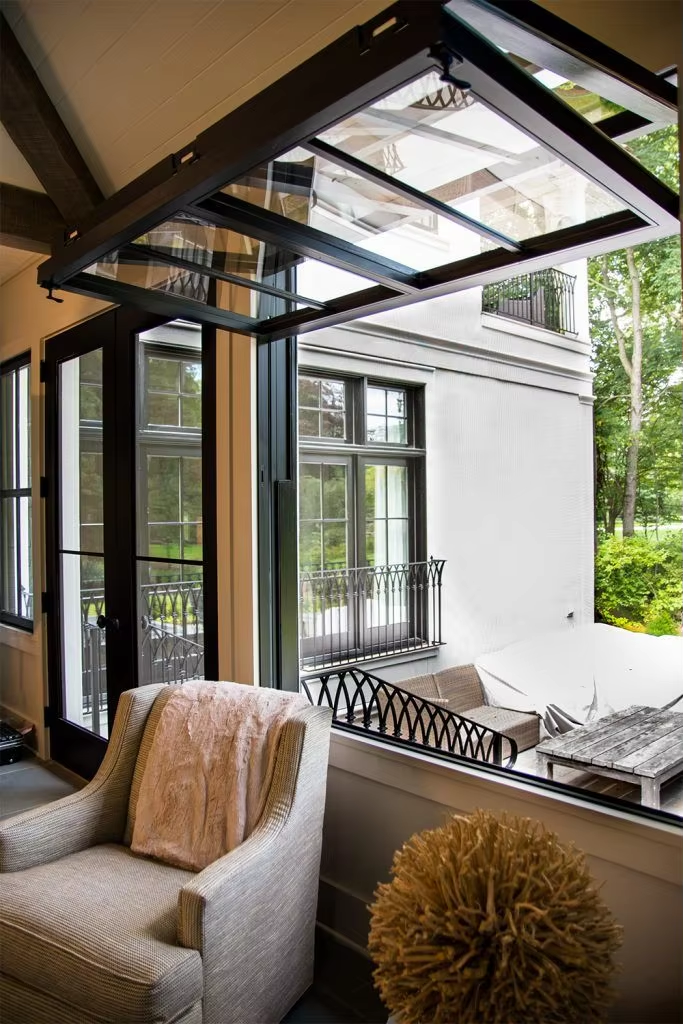
The process of creating a customized sliding steel window begins with a comprehensive assessment of project requirements. Manufacturers work closely with stakeholders to determine frame dimensions, glazing specifications, operational mechanisms, and finishes that align with architectural vision and performance objectives. This collaborative approach ensures that the final product functions seamlessly within the broader building envelope while meeting all regulatory and environmental standards.
Assessing Project-Specific Requirements and Design Parameters
Understanding Frame Specifications and Load Requirements
The foundation of any customized sliding steel window project lies in establishing precise frame specifications. Manufacturers must evaluate building codes, wind load classifications, and structural demands unique to each location and application. Steel window frame installation begins with accurate dimensional analysis, ensuring that the frame integrates smoothly with existing building systems. Load requirements vary significantly based on building height, geographic exposure, and local climate conditions, making detailed site assessment essential to proper customization.
Steel frames offer distinct advantages when customized for demanding environments. Their strength-to-weight ratio allows manufacturers to design slimmer profiles without compromising performance, creating more open sightlines and maximizing natural light penetration. This characteristic proves particularly valuable in commercial sliding glass doors where aesthetic appeal and functional transparency both matter. Custom frame profiles can accommodate special architectural details, historical preservation requirements, or contemporary design aesthetics depending on project context.
Glazing Options and Performance Specifications
Glazing selection directly influences the thermal, acoustic, and solar control performance of any sliding steel window installation. Manufacturers offer diverse options including single-pane, double-pane, and triple-pane configurations, each suited to different climate zones and performance targets. Weather-resistant window sealing becomes increasingly critical when specifying high-performance glazing systems, as the seal integrity determines whether thermal or acoustic benefits materialize as promised. Custom glazing specifications might include low-emissivity coatings, spectrally selective tints, or laminated safety glass depending on the project profile.
Energy performance requirements drive many customization decisions in contemporary projects. Building certification programs like LEED, Passive House, or Energy Star increasingly dictate glazing U-values, solar heat gain coefficients, and visible transmittance targets. Manufacturers who specialize in steel window frame installation can engineer custom glazing packages that meet or exceed these performance benchmarks while maintaining the visual and structural characteristics architects specify. The interplay between frame material, glazing composition, and weather-resistant window sealing creates the total window system performance.
Operational Mechanisms and Hardware Customization
Selecting Appropriate Operating Systems
The choice of operational mechanism fundamentally shapes how a sliding steel window performs and feels in daily use. Manufacturers can customize commercial sliding glass doors with various track systems, roller configurations, and balancing mechanisms depending on frequency of use, accessibility requirements, and aesthetic preferences. Heavy-duty commercial applications might demand ball-bearing rollers and reinforced tracks, while light-duty residential scenarios permit more delicate hardware assemblies. Custom hardware selection must account for maintenance accessibility, replacement part availability, and long-term durability expectations.
Modern sliding systems often incorporate soft-close dampers, anti-lift devices, and security-focused hardware options that enhance user experience and building safety. When customizing commercial sliding glass doors, manufacturers integrate these advanced features into standard frame designs through modular hardware components. The sliding steel window market increasingly emphasizes quiet operation, smooth motion across extended temperature ranges, and hardware solutions that minimize maintenance demands over the building's lifecycle.
Finishes and Surface Protection Systems
Steel window frame installation requires careful attention to corrosion protection, as bare steel oxidizes rapidly when exposed to moisture and atmospheric oxygen. Manufacturers apply custom finish systems tailored to specific environmental exposures and aesthetic requirements. Hot-dip galvanizing, powder coating, liquid paint, and specialty protective coatings represent the primary options available during customization. Each finish system offers distinct advantages regarding durability, appearance, maintenance requirements, and cost profiles that manufacturers match to project contexts.
Weather-resistant window sealing directly connects to finish system selection and application quality. Powder-coated finishes on sliding steel windows require proper surface preparation and multi-coat application to ensure long-term protection against coastal salt spray, industrial pollution, or harsh ultraviolet exposure. Custom color matching to architectural specifications adds another layer of customization complexity, requiring manufacturers to maintain strict quality control over batch consistency and application uniformity. These details accumulate into the comprehensive customization package that distinguishes purpose-built windows from commodity products.
Installation Integration and Performance Validation
Preparing for Seamless Deployment
Successful customization extends beyond frame design into installation methodology and site-specific preparation requirements. Manufacturers document detailed installation sequences, flashing specifications, and weather-resistant window sealing protocols that installers must follow to realize the intended performance. Steel window frame installation teams require proper training and verification that construction details match engineering specifications. Customized windows often demand specialized flashing systems, gasket materials, or sealant sequences that differ from standard installations, making comprehensive documentation and contractor qualification essential to project success.
Quality assurance protocols ensure that each customized sliding steel window meets specification before leaving the manufacturing facility. Factory testing might include air infiltration measurements, water resistance verification under simulated rainfall, and operational cycle testing to confirm mechanism reliability. Performance documentation provides architects and building owners with confidence that the custom solutions will perform as engineered once installed. This validation process catches design oversights or manufacturing inconsistencies before they create expensive field corrections.
Long-Term Performance Monitoring and Maintenance Planning
Customized commercial sliding glass doors require ongoing maintenance protocols tailored to their specific configurations and environmental exposures. Manufacturers who engage in comprehensive customization typically provide maintenance manuals detailing lubrication schedules, hardware adjustment procedures, and weather-resistant window sealing inspection intervals. Establishing clear maintenance expectations from project inception helps stakeholders allocate resources appropriately and maximize window lifespan. Custom weather sealing components might require periodic replacement based on climate exposure severity, warranting supplier relationships that ensure long-term component availability.
Building managers benefit from manufacturer guidance on seasonal care, sealant inspection protocols, and hardware servicing intervals that sustain the customized sliding steel window performance. Documentation of installation details, finish specifications, and glazing characteristics facilitates future renovations or repairs. This lifecycle perspective transforms customization from a one-time design exercise into an ongoing partnership between manufacturer, installer, and building operator that collectively ensure sustained performance and user satisfaction throughout the building's operational life.
FAQ
What factors determine customization costs for a sliding steel window project?
Customization costs depend on frame dimensions, glazing complexity, hardware selection, finish specifications, and production volume. Simple modifications to standard designs cost significantly less than completely bespoke engineering. Manufacturers typically quote based on material content, labor intensity, and lead-time requirements. Larger projects often achieve better per-unit pricing through economies of scale in production planning and material procurement for the steel window frame installation.
How do weather-resistant window sealing systems maintain performance over time?
Weather-resistant window sealing relies on high-quality gaskets, sealant materials, and proper installation technique to block water intrusion and air leakage. Silicone-based sealants typically outlast acrylic alternatives and resist extreme temperature fluctuations better. Periodic inspection of the seal condition, especially after severe weather events, helps identify deterioration before water damage occurs. Manufacturers recommend re-sealing intervals based on climate exposure and sealant type to maintain long-term weather resistance and thermal performance.
Can commercial sliding glass doors be retrofitted into existing steel frames?
Retrofitting commercial sliding glass doors into existing frames requires careful assessment of structural capacity, frame condition, and dimensional compatibility. Lightweight glazing options and modern hardware assemblies often allow upgrades without complete frame replacement. However, comprehensive engineering review ensures that existing structural systems can support new glass weights and operational loads. Successful retrofits demand customized flashing and sealing details that accommodate dimensional variations and preserve weather resistance during the transition process.