 EN

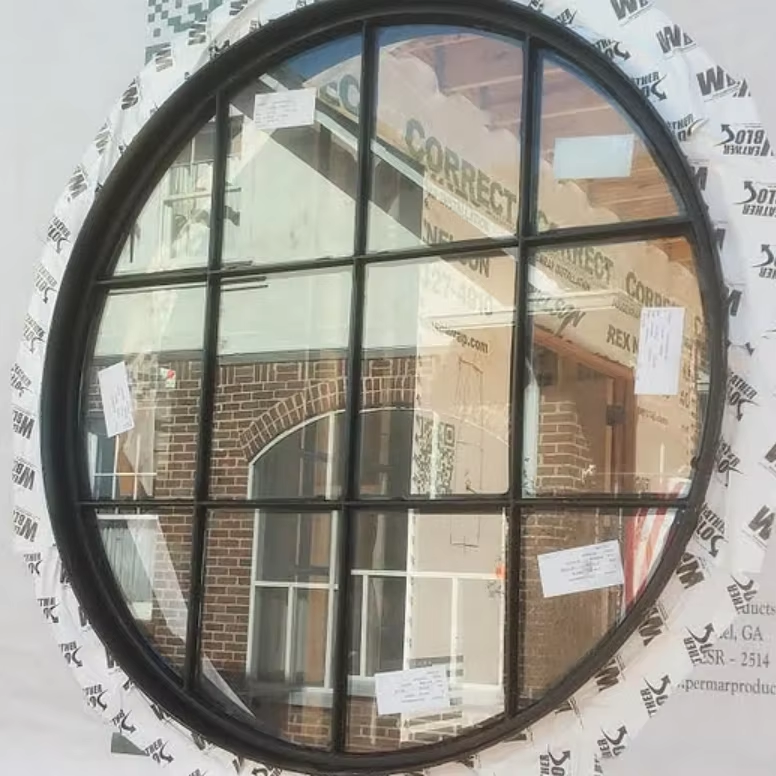
Modern steel window frames continue to dominate architectural design for contemporary buildings, offering sleek aesthetics and structural durability that few materials can match. However, one critical challenge has plagued steel construction for decades: thermal performance. Traditional solid steel frames conduct heat and cold rapidly between interior and exterior spaces, significantly reducing building energy efficiency. This is where thermal break technology becomes essential. A thermal break interrupts the direct heat transfer path through the frame by inserting a low-conductivity material between the interior and exterior steel components, transforming modern steel window frames into genuine energy-efficient building solutions.
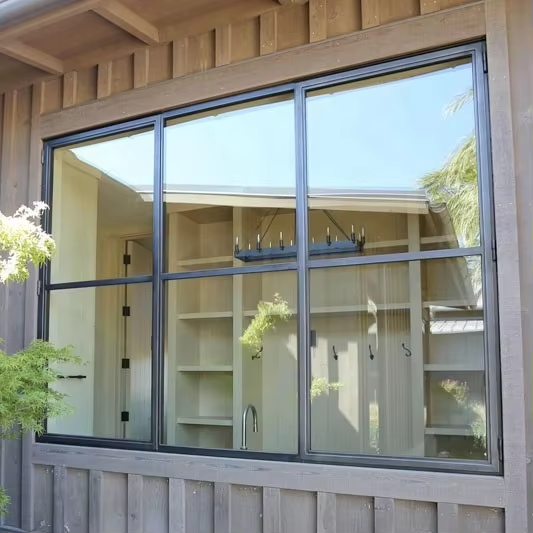
Building owners and architects increasingly recognize that proper thermal break integration is not a luxury upgrade but a fundamental requirement for modern building codes and sustainability standards. As energy costs rise and environmental regulations tighten, selecting the right thermal break option directly impacts long-term operational expenses and tenant comfort. Understanding the available thermal break solutions and their performance characteristics enables informed decisions about frame specifications, installation approaches, and total project costs.
Understanding Thermal Break Technology in Steel Window Frames
How Thermal Breaks Function Within Steel Window Frame Design
A thermal break operates by creating a physical separation between the external and internal steel components of the frame. The most common thermal break materials include polyurethane, polyamide, and fiberglass-reinforced polymers, each selected for their low thermal conductivity and structural compatibility with steel. When exterior temperatures drop, the interior surface of a window without a thermal break becomes dangerously cold, causing condensation and energy waste. With an integrated thermal break, the interior steel surface remains closer to room temperature, eliminating these problems. Industrial steel window designs now commonly incorporate multiple thermal break layers to achieve U-values of 1.2 W/m²K or better, compared to 5.0 or higher for unbroken frames.
Performance Metrics and Energy Efficiency Standards
Thermal performance is measured by the U-value, which indicates heat loss rate through the frame assembly. Modern steel window frames with properly designed thermal breaks typically achieve U-values between 1.0 and 1.5 W/m²K, substantially reducing heating and cooling loads. Building codes worldwide increasingly mandate minimum U-value requirements, making thermal break selection a compliance issue rather than an optional feature. The location, width, and material composition of the thermal break all influence final performance ratings. Architects and engineers must verify that thermal break steel windows meet both local energy codes and project-specific sustainability targets before finalizing specifications.
Thermal Break Material Options and Their Applications
Polyurethane and Polyamide Thermal Break Solutions
Polyurethane thermal breaks have been industry standard for decades, offering proven durability and reliable thermal performance across diverse climates. These materials provide strong adhesion to steel, maintaining structural integrity over decades of thermal cycling. Polyamide thermal breaks, often reinforced with fiberglass, offer slightly superior rigidity and fire resistance ratings required in commercial applications. The choice between these materials often depends on building type, local fire codes, and budget constraints. For most modern steel window frames intended for commercial or residential buildings, polyamide offers a balance of performance, safety, and cost-effectiveness that satisfies contemporary energy requirements.
Advanced Composite and Hybrid Thermal Break Systems
Newer industrial steel window designs employ hybrid thermal break systems that combine multiple materials in layered configurations. These advanced solutions integrate polyamide outer layers for structural strength with lower-conductivity polymer cores for maximum thermal resistance. Some manufacturers also embed aerospace-grade adhesives and reinforcement structures to enhance both thermal and acoustic performance simultaneously. These premium options command higher steel window installation costs but deliver superior comfort and energy savings that justify the investment over building lifecycles spanning 30 to 50 years. Specifying the right combination of thermal break materials requires detailed energy modeling and cost-benefit analysis aligned with project budgets and performance targets.
Installation Methods and Cost Considerations
Manufacturing Integration vs. Field Installation Approaches
Thermal break integration methods directly affect steel window installation costs and long-term performance reliability. Factory-integrated thermal breaks, where manufacturers bond or mechanically insert break materials during frame production, ensure consistent quality and optimal performance. Field installation methods, where thermal breaks are applied during site assembly, introduce variables that can compromise effectiveness and require skilled labor for proper execution. Most contemporary projects specify factory-integrated approaches for thermal break steel windows, as factory quality control produces superior results and reduces installation timeline risks. This approach typically adds 15 to 25 percent to base frame costs but eliminates field performance variability and warranty complications.
Cost Factors and Budget Planning for Thermal Break Frames
Steel window installation costs vary significantly based on thermal break material selection, frame configuration complexity, and project scale. A basic thermally broken frame might add $40 to $80 per square meter compared to non-broken alternatives, while advanced composite systems can exceed $150 per square meter. Volume purchasing, standardized frame sizes, and efficient supply chain coordination all reduce per-unit costs substantially. Industrial steel window designs specified for large commercial projects benefit from economies of scale that make premium thermal break options more economically attractive. Lifecycle cost analysis comparing energy savings, maintenance requirements, and replacement cycles often reveals that superior thermal break systems deliver attractive returns within 5 to 10 years, making them financially prudent investments regardless of initial budget premiums.
Selecting Thermal Break Options for Specific Building Requirements
Climate Considerations and Performance Specifications
Climate conditions fundamentally influence thermal break selection strategy. Buildings in cold climates require more aggressive thermal break specifications to prevent interior condensation and maintain occupant comfort, while moderate climates may achieve adequate performance with baseline polyamide systems. High-performance buildings in extreme climates often combine superior thermal breaks with low-emissivity glass and insulated frame cavities to achieve ultra-low U-values below 0.8 W/m²K. Architects must evaluate seasonal temperature ranges, humidity patterns, and solar exposure to match modern steel window frames with appropriate thermal break solutions. Regional energy codes increasingly mandate specific minimum U-values, effectively dictating thermal break specifications for compliant construction.
Aesthetic and Functional Integration Considerations
Modern steel window frames demand thermal break solutions that preserve the clean lines and minimal visual profiles valued in contemporary architecture. Thin-section polyamide thermal breaks achieve excellent thermal performance while maintaining frame depths compatible with slender steel profiles. Industrial steel window designs for heritage buildings or architecturally sensitive locations often employ custom thermal break formulations that balance energy efficiency with visual authenticity. The aesthetic quality of thermal break integration matters as much as performance ratings in buildings where visual expression shapes project identity. Specifiers must communicate both thermal and visual requirements clearly to ensure that selected thermal break steel windows align with architectural intent while delivering mandated energy performance.
FAQ
What thermal break materials are most suitable for modern steel window frames?
Polyamide and polyurethane are the most common thermal break materials for modern steel window frames, offering proven performance, durability, and compatibility with steel substrates. Polyamide, often reinforced with fiberglass, provides superior fire resistance and rigidity preferred in commercial applications. Advanced composite systems combine multiple material layers to optimize both thermal resistance and structural strength. Selection depends on climate conditions, building codes, budget constraints, and specific performance targets for your project. Factory-integrated thermal breaks from established manufacturers typically deliver the most reliable results and performance guarantees.
How much do thermal break options add to steel window installation costs?
Thermal break steel windows typically add 15 to 25 percent to base frame costs for factory-integrated systems, translating to approximately $40 to $150 per square meter depending on material complexity and frame configuration. Industrial steel window designs specified for large projects benefit from volume discounts that reduce per-unit premiums significantly. While initial costs are higher than non-broken frames, lifecycle cost analysis typically demonstrates that energy savings, reduced maintenance, and avoided replacement cycles recover the investment within 5 to 10 years. Long-term financial analysis usually favors superior thermal break options regardless of initial budget considerations.
Can thermal break integration affect the structural performance of modern steel window frames?
Properly engineered thermal breaks do not compromise structural performance when designed and manufactured by experienced suppliers following established standards. The thermal break material itself carries no structural load; the steel components on either side maintain full load-bearing capacity. Advanced industrial steel window designs often achieve superior structural and thermal performance simultaneously through careful material selection and engineering integration. Specifying frames from manufacturers with proven track records, thorough testing documentation, and performance guarantees ensures that thermal break steel windows deliver both energy efficiency and structural reliability throughout their service life.