 EN

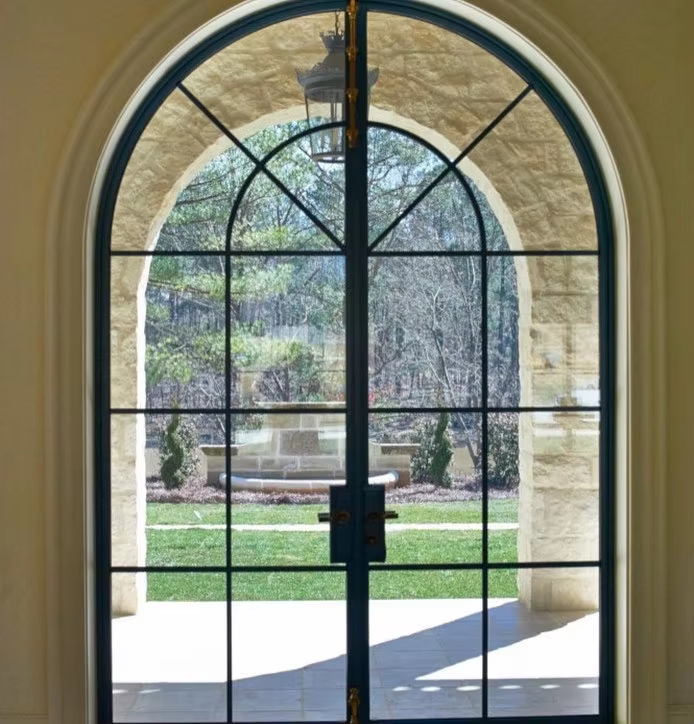
Manufacturers customize a custom steel door by matching its dimensions, construction, hardware, appearance, and installation details to a building’s use. A home entrance has different privacy and access needs from a busy commercial opening, so the design process begins with the people, environment, and requirements the door must serve. For homeowners, residential steel door security features are one important part of that brief.
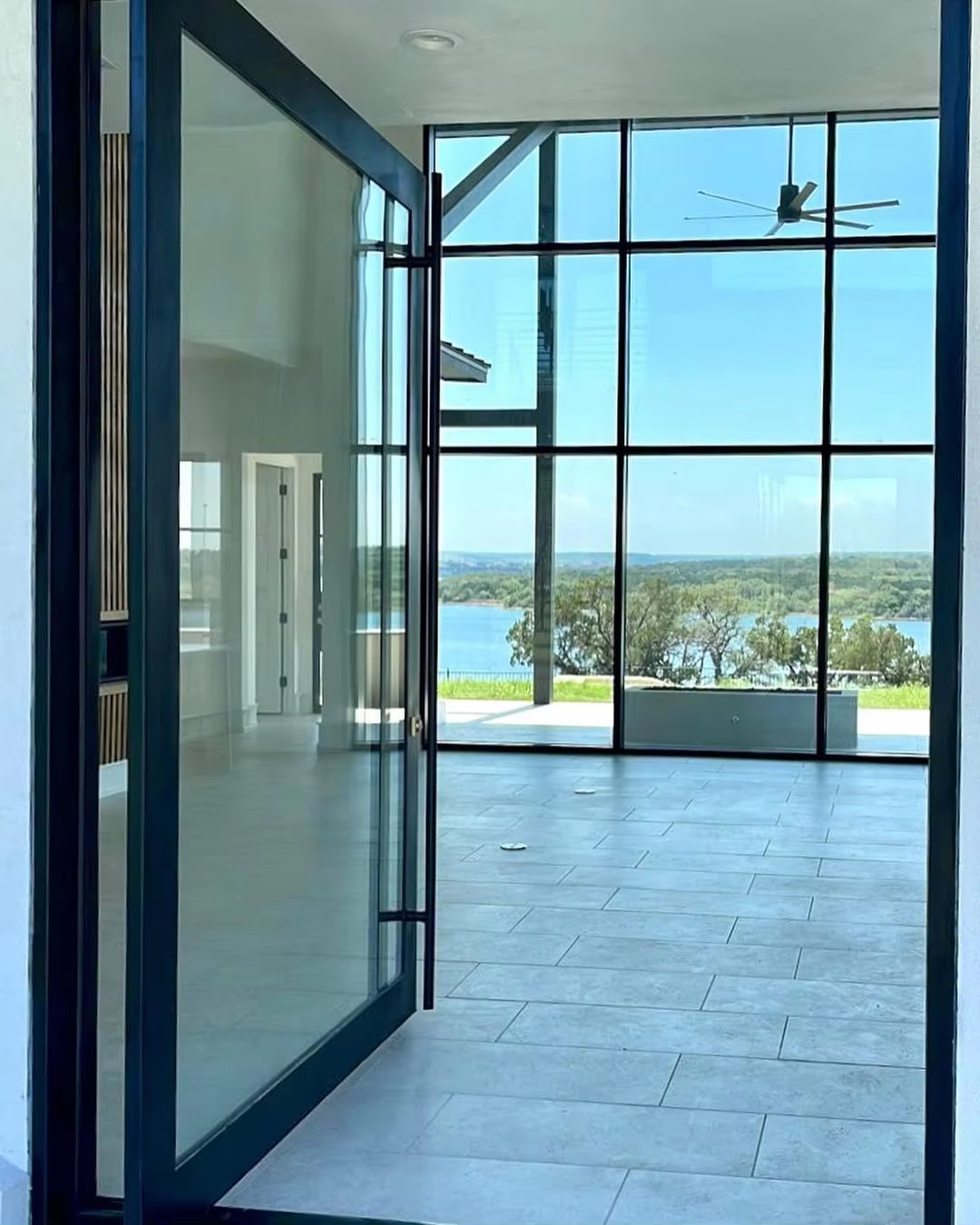
The customization process is a sequence of practical decisions rather than a choice of finish alone. Manufacturers clarify the opening and intended use, translate requirements into a specification, and coordinate production with fitting conditions. This approach helps align steel door customization options with the project, while commercial steel door installation requirements are considered before dimensions and hardware are finalized.
How the project brief shapes the door
Defining the opening and its daily use
Customization starts with the opening: its width and height, wall construction, threshold, swing direction, and available clearance. These details guide the frame and leaf design and establish whether the door can operate without interfering with nearby walls, furniture, or circulation routes. Accurate site information also supports commercial steel door installation because a carefully made door still depends on a compatible frame and prepared opening.
The manufacturer also asks how often the door will be used and who needs access. A private residence may prioritize controlled entry and a welcoming appearance, while a commercial entrance may need to support frequent movement, staff access, or a clear route for visitors. Residential steel door security features should reflect the household’s access pattern, and steel door customization options can address the opening’s particular dimensions and operation.
Translating requirements into a specification
After the initial review, the design brief becomes a specification covering the leaf, frame, glazing if required, hardware, finish, and installation interface. The manufacturer can use drawings, measurements, and project notes to clarify how each element fits together. This is where steel door customization options become concrete choices, rather than a general request for a door that looks or feels different.
Early coordination can identify constraints such as uneven floors, unusual jamb depth, nearby building systems, or a need to control visibility through the entrance. Those conditions can affect frame details and the selection of fittings. For a home, residential steel door security features may influence lock preparation and visibility; for a business, commercial steel door installation planning should account for the site team’s sequence and access requirements.
How construction and security are tailored
Matching security to the setting
Security is designed around the door’s role, not treated as a universal package. Manufacturers can discuss the intended level of access control, the type of locking arrangement, and how the door connects with the surrounding frame. Residential steel door security features may include suitable lock preparation, reinforced points, and a layout that supports the household’s entry routine, subject to the chosen specification.
A commercial entrance may have different access patterns, including employees, visitors, or scheduled deliveries. The design team can consider how users approach the door and how it should operate during normal business hours. Commercial steel door installation must then be coordinated with the selected hardware and opening conditions, so the installed assembly matches the approved design rather than relying on assumptions made during ordering.
Selecting materials, glazing, and hardware
Steel provides a structural basis, while the door’s configuration can be adjusted to suit the application. Depending on the project, a specification may include a solid leaf, glazed sections, decorative grilles, or different handle and hinge arrangements. Steel door customization options help balance visibility, daylight, privacy, and appearance; any glazing choice should be reviewed for its location and intended use.
Hardware decisions should be made alongside the frame and leaf details. Handle position, hinge placement, locking method, and any access-control interface can affect usability and preparation during production. Residential steel door security features should support straightforward daily operation, whereas a commercial project may require closer coordination of hardware with building access procedures and commercial steel door installation planning.
How appearance and installation complete the fit
Choosing a finish and visual treatment
The exterior treatment gives the door a visual relationship with the building. Manufacturers can help specify a color, surface appearance, panel arrangement, or decorative detail that fits the architectural context and the client’s maintenance expectations. Steel door customization options allow a residential entrance to feel consistent with the home, while a commercial door can complement the wider façade without distracting from its practical role.
Finish choices should be considered with exposure and use in mind. An entrance facing weather, regular handling, or cleaning may call for different care considerations from a sheltered interior opening. The manufacturer can clarify the available finish specification and care guidance, helping the project team avoid treating appearance as a separate decision from the door’s location and expected service conditions.
Coordinating measurement, production, and fitting
Once the specification is approved, measurements and drawings need to be checked against site conditions before production. Confirming the opening, frame arrangement, handing, threshold, and hardware preparation reduces the risk of a mismatch at delivery. Commercial steel door installation benefits from clear responsibility for site readiness, delivery access, fitting, and final operational checks.
Residential projects also benefit from reviewing fit and operation before the work is complete. The installer should confirm that the leaf moves as intended, the frame is aligned, and the selected hardware functions correctly. These checks connect the specification to real use; residential steel door security features only serve their purpose when the installed door and its fittings work together as designed.
For either building type, an agreed record of dimensions, finish, hardware, and installation details gives the project team a shared reference. It also makes later maintenance questions easier to address. A manufacturer’s customization process is most effective when the client, designer, site team, and installer exchange information early and resolve open decisions before fabrication begins.
FAQ
What information should I provide before requesting a custom door?
Share opening measurements, building type, intended use, preferred swing, finish expectations, and hardware needs. For a residence, describe the household’s access priorities and residential steel door security features to consider. Clear information helps the manufacturer propose appropriate steel door customization options.
How does commercial fitting differ from a residential project?
Commercial work may involve higher traffic, access procedures, and coordination with other site activities. Commercial steel door installation should be planned around the opening, hardware, delivery, and fitting sequence. Residential projects may have simpler coordination, but measurements and operating checks still matter.
Can the appearance be customized without changing how the door works?
Often, appearance choices such as finish, panel layout, or decorative details can be specified separately from key operating requirements, but the full design should be reviewed together. Ask how each choice affects glazing, hardware preparation, maintenance, and fit. Steel door customization options should support the building’s use as well as its visual character.