 EN

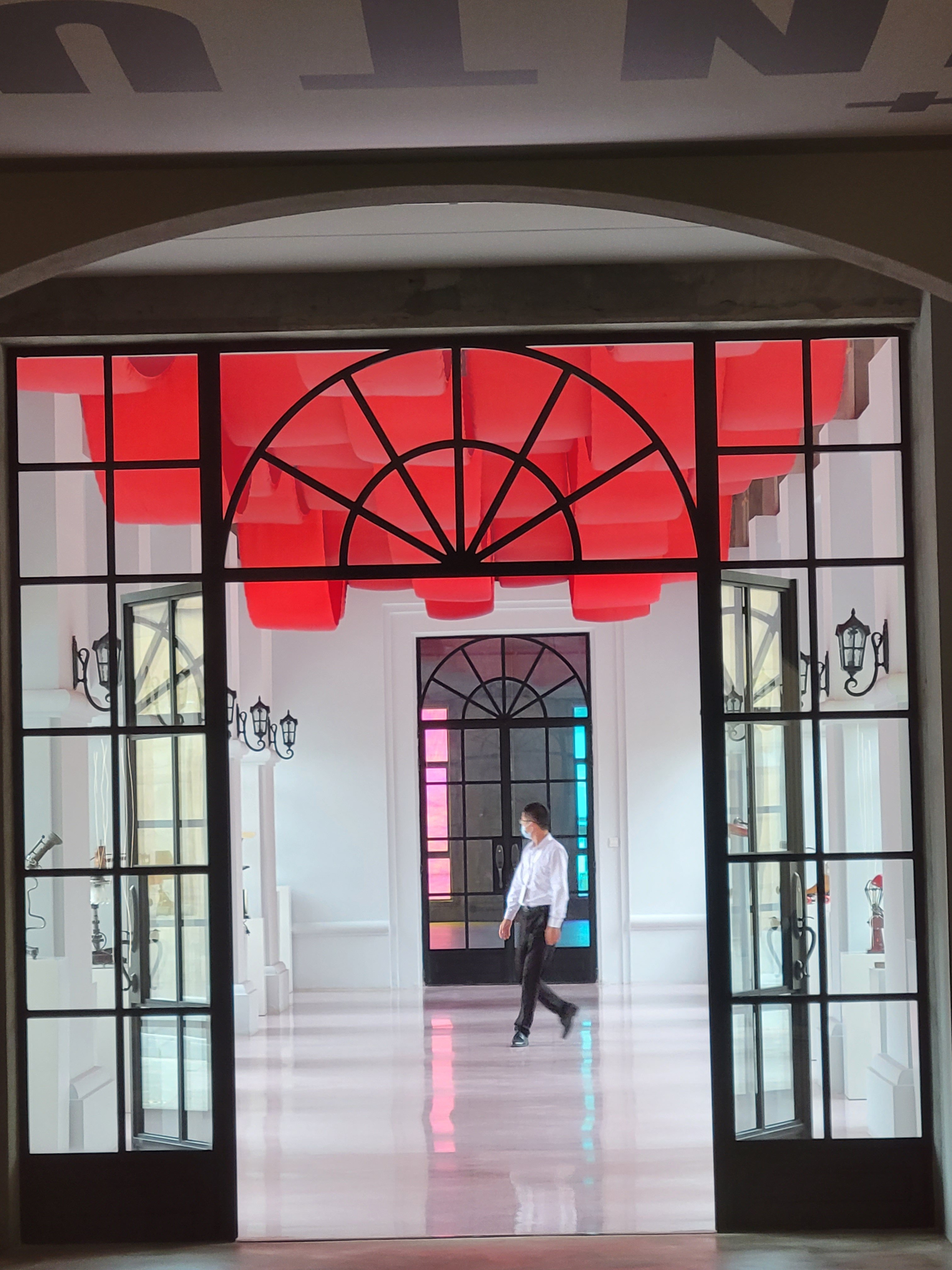
Commercial building owners and facility managers face critical decisions when selecting window systems that balance durability, aesthetics, and long-term value. The mild steel window frame has emerged as a popular choice across various commercial properties, from retail centers to hospitality establishments. These systems deliver distinctive architectural character while offering practical performance benefits that appeal to property owners managing large-scale installations. Understanding how mild steel window frame systems perform requires examining their structural capabilities, environmental resilience, and operational considerations in demanding commercial settings.
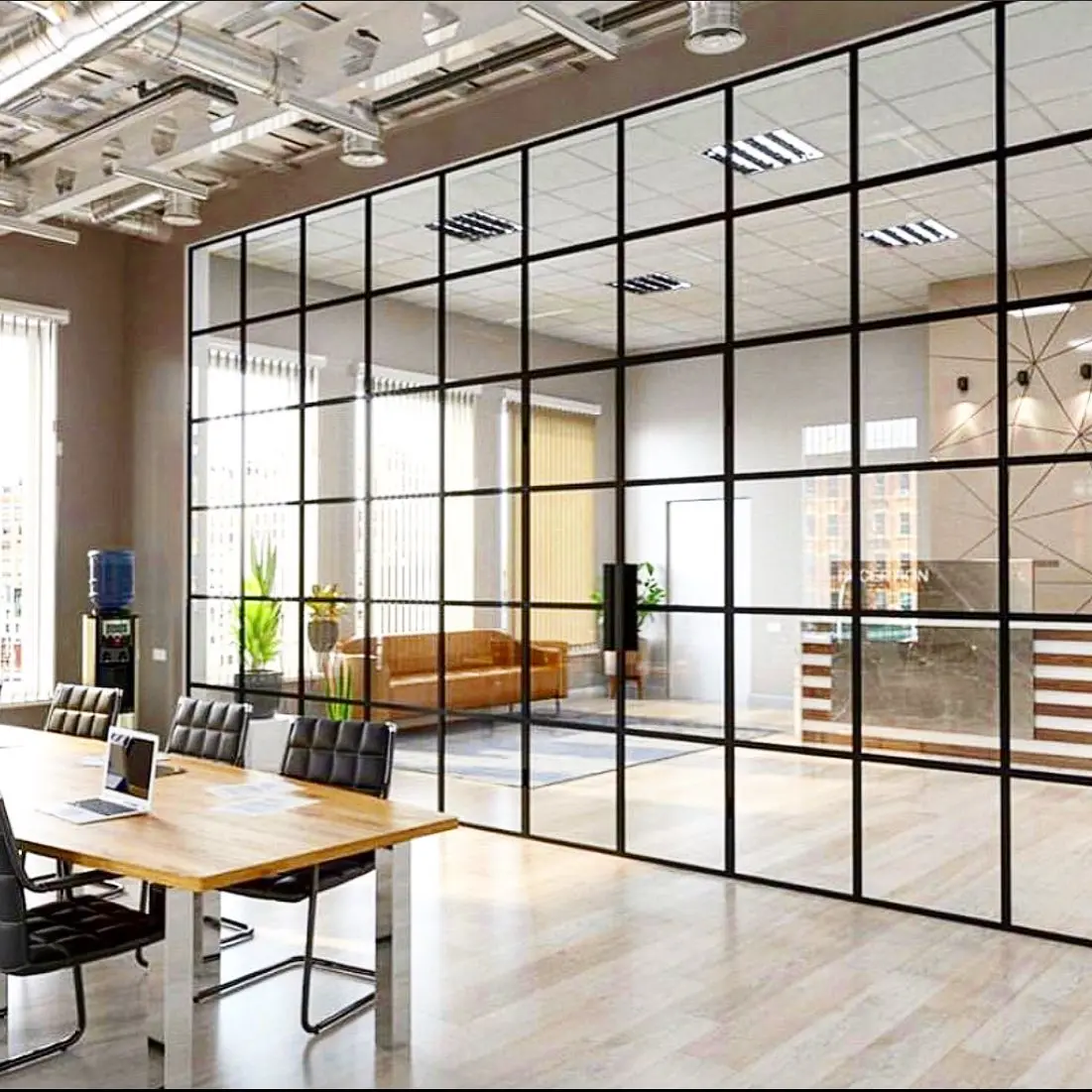
Mild steel window frame installation has become increasingly common in commercial architecture because these systems provide design flexibility and structural reliability that architects and engineers value. The material's malleability allows for custom frame profiles, slender sight lines, and distinctive aesthetic expressions that distinguish commercial properties. When properly engineered and maintained, mild steel window frame systems deliver consistent thermal performance, sound insulation, and operational functionality throughout their service life, making them a viable alternative to aluminum or vinyl-based systems in contemporary commercial design.
Structural Performance and Load-Bearing Capacity
Strength Under Commercial Conditions
Mild steel possesses exceptional tensile strength that makes it ideal for large-format glazing installations common in modern commercial architecture. The material can support expansive glass panels with minimal frame depth, enabling floor-to-ceiling window designs that maximize natural light and interior visual appeal. Commercial applications often demand windows that span multiple stories or cover substantial wall areas, requirements that mild steel window frame systems handle effectively without excessive structural deflection. This load-bearing capability means building designers can specify larger opening sizes and more ambitious fenestration patterns than other frame materials might practically allow.
Durability in High-Traffic Environments
Commercial buildings experience constant operational demands—frequent opening and closing cycles, exposure to varying weather conditions, and environmental stresses that test window system reliability. Mild steel window frame installation in busy commercial facilities must withstand these rigorous conditions while maintaining smooth operation and structural integrity. The material's density and rigidity prevent frame warping or distortion, even when subject to thermal cycling, moisture exposure, and mechanical stress typical in retail storefronts, office lobbies, and hospitality entrances. This dimensional stability ensures that weather seals remain effective and operational mechanisms function reliably across years of continuous service.
Environmental Performance and Rust Prevention Strategies
Understanding Corrosion Challenges
Rust prevention for steel window frames represents the primary maintenance consideration for commercial property managers selecting mild steel systems. Unlike stainless steel or aluminum alternatives, mild steel oxidizes when exposed to moisture and atmospheric oxygen, requiring protective measures to prevent surface corrosion and material degradation. Commercial environments often involve humidity variations, coastal salt air exposure, or industrial atmospheric pollutants that accelerate corrosion processes. Addressing these environmental factors through appropriate rust prevention for steel window frames is essential to preserving both aesthetic appearance and structural performance throughout the system's operational lifespan.
Protective Coating Systems and Maintenance Protocols
Modern mild steel window frame installation incorporates advanced protective coating technologies that significantly reduce corrosion risk. Powder-coat finishes, zinc-rich primers, and multi-layer paint systems create durable barriers against moisture penetration and atmospheric degradation. Commercial applications benefit from factory-applied coating systems that provide consistent protection before installation, complemented by field-applied touch-up protocols during construction. Rust prevention for steel window frames also depends on proper installation techniques that eliminate water trap conditions and ensure effective drainage from frame cavities. Regular maintenance schedules—including annual cleaning, coating inspection, and timely touch-up applications—maintain protective barriers and extend system longevity in commercial settings.
Cost Analysis and Long-Term Value Considerations
Initial Investment and Steel Window Frame Cost Comparison
Steel window frame cost comparison reveals that mild steel systems typically fall within a moderate pricing range relative to premium alternatives. Initial material and fabrication costs often run higher than vinyl-based systems but lower than high-performance thermally-broken aluminum frames. For large commercial projects requiring thousands of square feet of glazing, the per-unit cost advantage of mild steel window frame installation becomes meaningful to project budgets. However, true steel window frame cost comparison must account for the complete lifecycle picture rather than focusing solely on purchase price. Commercial property managers should evaluate total installed cost, performance specifications, maintenance requirements, and expected service life to determine genuine value.
Long-Term Operational Economics
Beyond initial acquisition costs, mild steel window frame systems offer favorable long-term economics when properly maintained. The structural durability of mild steel means replacement intervals typically extend 40 to 50 years or longer under commercial conditions, substantially exceeding vinyl-frame lifecycles. Rust prevention for steel window frames through preventive maintenance proves more cost-effective than addressing deferred maintenance or premature replacement. Commercial facility managers conducting steel window frame cost comparison should factor maintenance labor, coating replacement cycles, and potential energy performance benefits into their total cost of ownership analysis. When evaluated across multiple decades of service, properly-maintained mild steel systems often deliver better value than cheaper alternatives requiring more frequent replacement or extensive repairs.
FAQ
What makes mild steel window frames suitable for commercial applications despite corrosion concerns?
Mild steel window frame systems remain suitable for commercial use because modern protective coatings, proper installation techniques, and preventive maintenance effectively manage corrosion risks. The material's superior structural strength, design flexibility, and long service life offset corrosion management requirements. Commercial properties benefit from factory-applied protective systems and established maintenance protocols that keep mild steel window frames performing reliably for 40+ years. The combination of aesthetic appeal, load-bearing capacity, and lifecycle value makes these systems practical despite requiring more maintenance attention than stainless or coated aluminum alternatives.
How does rust prevention for steel window frames affect maintenance budgets in commercial buildings?
Rust prevention for steel window frames typically involves annual inspection, cleaning, and periodic coating touch-ups—costs that remain modest relative to overall facility maintenance budgets. Preventive maintenance spending averages less than 1 percent of the original system cost annually, far lower than reactive repair costs associated with deferred maintenance. Commercial facility managers should budget for professional coating inspection every 3 to 5 years and anticipate full re-coating services at 15 to 20 year intervals depending on environmental exposure. When properly planned, rust prevention for steel window frames becomes a manageable, predictable expense that protects the property's long-term asset value and operational functionality.
Does steel window frame cost comparison favor mild steel over other materials for large commercial projects?
Steel window frame cost comparison outcomes depend on project-specific factors including building location, glazing area, performance requirements, and maintenance capabilities. Mild steel offers compelling economics for projects emphasizing large-format glazing, custom architectural expressions, and buildings where lifecycle costs matter more than minimum initial price. Projects requiring high thermal performance, extreme weather resistance, or minimal maintenance often favor alternative materials despite higher purchase costs. However, hospitality properties, retail establishments, and commercial buildings valuing distinctive aesthetic character typically find that mild steel window frame installation delivers superior value when total cost of ownership is properly calculated across the system's 40+ year service life.
Table of Contents
- Structural Performance and Load-Bearing Capacity
- Environmental Performance and Rust Prevention Strategies
- Cost Analysis and Long-Term Value Considerations
-
FAQ
- What makes mild steel window frames suitable for commercial applications despite corrosion concerns?
- How does rust prevention for steel window frames affect maintenance budgets in commercial buildings?
- Does steel window frame cost comparison favor mild steel over other materials for large commercial projects?