 EN

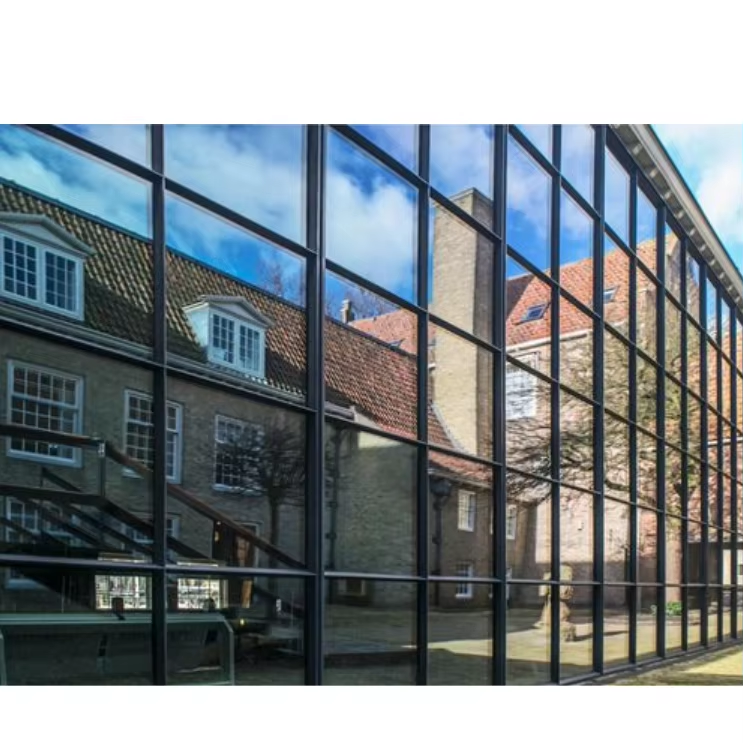
Selecting the right mild steel window frame requires careful attention to material specifications that directly impact durability, performance, and long-term maintenance costs. Buyers often focus on visual aesthetics or initial pricing without fully understanding the material properties that determine whether a frame will resist corrosion, withstand thermal stress, and maintain structural integrity over decades. Understanding these specifications is essential for architects, contractors, property developers, and facility managers who need to make informed procurement decisions.
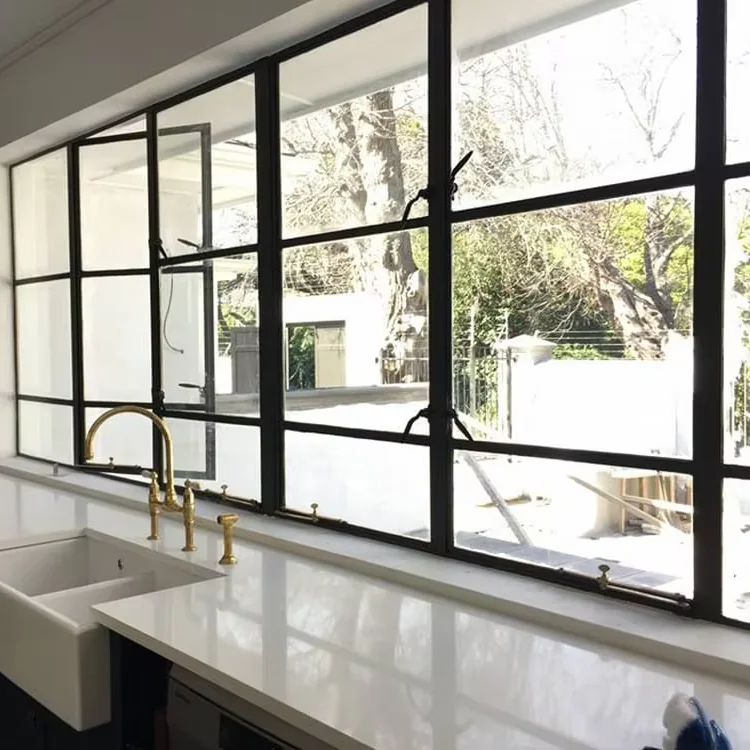
Steel window frames have gained renewed attention in modern architecture because they combine structural strength, clean aesthetic lines, and compatibility with large glazing areas. However, the success of any steel window installation depends fundamentally on the material grade, surface treatment, and protective coatings applied during manufacturing. This guide walks through the critical material specifications that separate high-performance frames from those prone to rust, paint failure, and premature deterioration.
Understanding Base Steel Grade and Thickness
Identifying the Correct Steel Composition
The foundation of any durable mild steel window frame begins with the base steel composition. Mild steel, also called low-carbon steel, typically contains between 0.15 and 0.25 percent carbon, making it malleable and easy to fabricate into precise frame profiles. Buyers should verify that the supplier specifies the exact steel grade, such as ASTM A36, EN 10025-2 S235, or equivalent international standards. This specification ensures consistent mechanical properties, predictable welding behavior, and reliable long-term performance.
The steel grade directly affects tensile strength, yield strength, and the frame's ability to resist permanent deformation under wind loads or thermal cycling. When purchasing powder coated steel window frames, insist on documentation confirming the base steel grade before coating application. Many manufacturers skip this transparency, making it difficult for buyers to assess whether the frame can support large glazing installations or resist deflection in aggressive wind zones.
Frame Thickness and Structural Adequacy
Frame thickness is not simply an aesthetic choice—it determines load capacity, thermal performance, and resistance to deflection. Standard mild steel window frames typically use material thickness between 1.5 and 4 millimeters, depending on frame width and intended glazing weight. Larger installations or frames supporting heavy safety glazing require thicker profiles to prevent excessive deflection, which can lead to glass stress and seal failure.
Buyers should request structural calculations or load testing data that confirms the frame thickness is adequate for the specific installation conditions. Wind resistance classifications, such as those defined by ASTM E330 or EN 12211, provide independent verification that the frame meets structural demands. Specifying insufficient thickness is a false economy that typically results in performance complaints and warranty claims after installation.
Surface Treatment and Corrosion Resistance
Importance of Corrosion Resistant Steel Window Treatment
The surface finish is where corrosion resistant steel window treatment separates premium frames from budget alternatives. Bare steel exposed to moisture will begin rusting within weeks, especially in coastal, humid, or industrial environments. Effective corrosion resistance requires multiple protective layers, beginning with surface preparation and followed by priming and topcoat application.
The most common approach involves blast cleaning to remove mill scale, applying a rust-inhibiting primer, and then applying a topcoat system. Many suppliers skip proper surface preparation, which dramatically reduces coating adhesion and allows rust to creep under the finish. Buyers should specifically require evidence of surface preparation compliance, such as compliance with ISO 12944 standards for corrosion classification and steel surface cleanliness grades.
Powder Coating versus Wet Paint Systems
Powder coated steel window frames have become the industry standard because powder coating offers superior corrosion resistance compared to traditional wet paint. The powder coating process applies a uniform, thick film without solvents, creating a harder, more durable finish. The coating thickness should be specified between 60 and 100 micrometers, depending on environmental severity and expected service life.
When sourcing powder coated steel window frames, verify that the manufacturer uses polyester, polyurethane, or epoxy-polyester hybrid formulations rated for the applicable corrosion category. ISO 12944 defines five corrosion categories ranging from C2 (low corrosion risk in rural areas) to C5-M (very high corrosion risk in marine and industrial environments). A frame specified for C2 protection will fail rapidly in a coastal location, while a C5-M specified frame may be unnecessarily expensive for inland use.
Thermal Break Installation and Performance
Thermal Break Window Frame Installation Requirements
Modern building energy codes increasingly require thermal break window frame installation to reduce heat transfer and condensation risk. A thermal break is an insulating material, typically polyurethane or nylon, inserted between the interior and exterior steel profiles of the frame. This break disrupts the direct thermal path through the steel, significantly reducing U-value and improving interior surface temperature in cold conditions.
Buyers must verify that the thermal break material is properly bonded to both steel sections and that installation quality is consistent across all frame members. Poor thermal break installation can result in thermal bridging, condensation on interior surfaces, and energy performance that falls short of design calculations. Request third-party laboratory testing data, such as NFRC certification, that confirms the installed thermal break achieves the specified U-value rating.
Structural Integrity with Thermal Break Systems
The presence of a thermal break material modifies the structural behavior of the frame. The insulating material cannot transfer loads directly between interior and exterior steel sections, which requires the frame profile design to accommodate this constraint. Buyers should verify that structural calculations account for the thermal break installation and that the design has been tested to confirm it meets wind load and glass load requirements without exceeding acceptable deflection limits.
Some manufacturers underestimate the structural impact of thermal break systems and provide insufficient steel cross-sections, leading to performance complaints after installation. Requesting independent structural verification eliminates this risk and ensures the frame performs as designed throughout its service life.
FAQ
What steel grade should I specify for mild steel window frames in coastal environments?
In coastal environments, specify ASTM A36 or equivalent mild steel with C5-M corrosion protection per ISO 12944. This means the frame must receive blast cleaning to Sa 2.5 standard, a rust-inhibiting epoxy primer, and a polyester or polyurethane topcoat system with total dry film thickness of 80 to 100 micrometers. Some manufacturers offer stainless steel inserts or additional sacrificial thickness for extra corrosion resistance in the most aggressive marine zones.
How do I verify that powder coated steel window frames meet performance specifications?
Request documentation including the coating system specification, dry film thickness measurements, adhesion testing results per ASTM D3359, and impact resistance testing per ASTM D2794. Cross-check that the frame manufacturer holds ISO 9001 certification or equivalent third-party quality accreditation. Independent testing reports from accredited laboratories provide the highest confidence that the coating system will deliver long-term corrosion resistance and durability.
What is the typical cost impact of thermal break window frame installation?
Thermal break window frame installation typically adds 15 to 30 percent to the base frame cost, depending on frame complexity and thermal break material selection. This investment is justified by reduced heating and cooling energy consumption, improved occupant comfort, and condensation elimination. In cold or mixed climates, the energy savings often recover the thermal break cost within 5 to 10 years, making it a sound long-term investment for any building expected to operate beyond a decade.