 EN

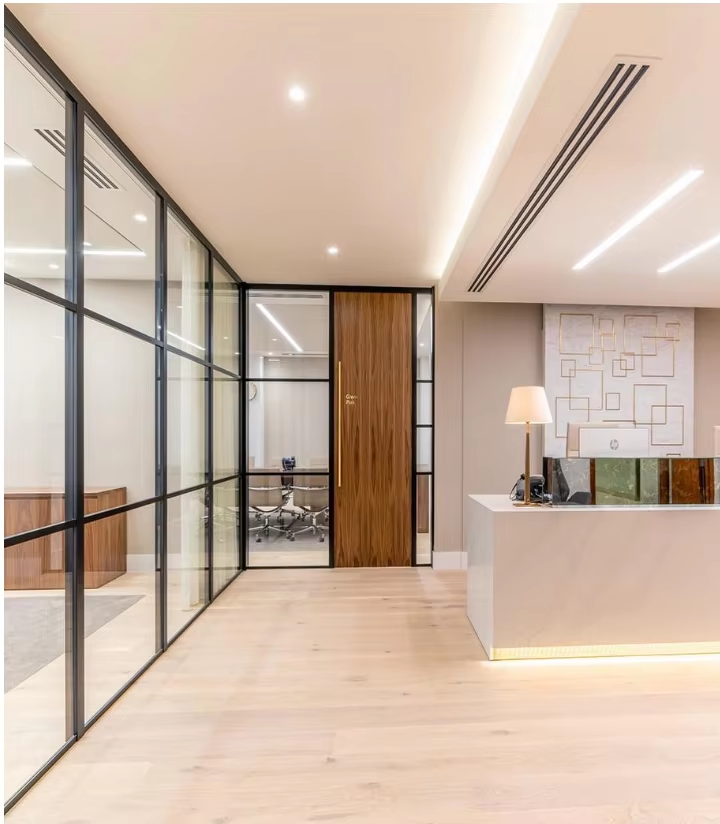
Steel awning windows can perform reliably across changing weather, but results depend on design, installation, and maintenance. Their outward-opening sash can help manage ventilation during light rain, while the frame and hardware must be suited to the project’s exposure. For commercial buildings, commercial awning window installation should account for wind, drainage, and the wall assembly rather than treating the window as an isolated product.
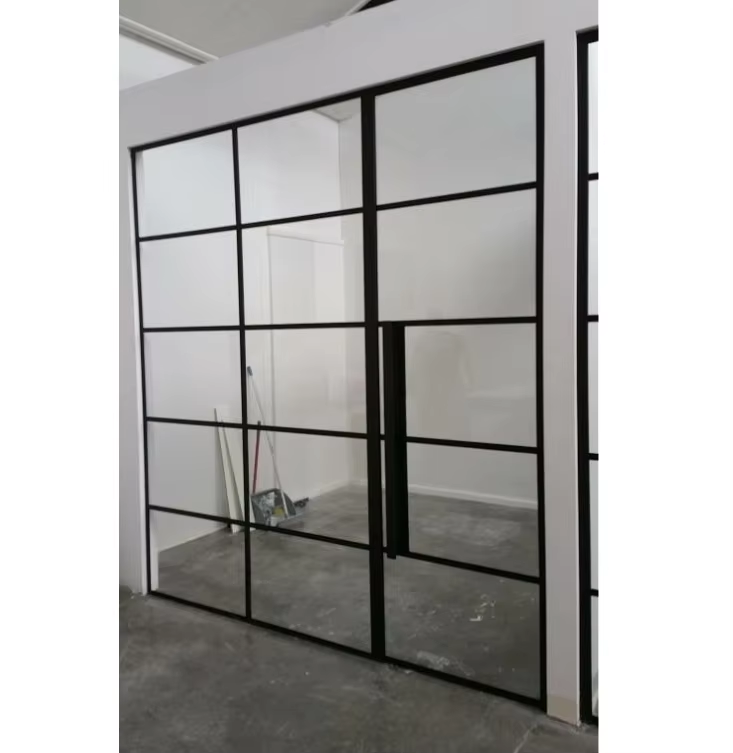
Weather changes place different demands on the sash, seals, glazing, and frame. Steel frame window durability and maintenance matter in damp or coastal settings, while awning window weatherproofing and sealing are central wherever wind-driven rain is common. Understanding these factors helps specifiers set realistic expectations and choose suitable details for each elevation.
Performance in Rain, Wind, and Humidity
Rain protection depends on the complete opening
An awning sash hinges at the top and opens outward, creating an overhang that can deflect some falling rain while the window is open. That geometry is useful for controlled ventilation, but it does not make the opening rainproof in every condition. Effective awning window weatherproofing and sealing depends on correctly aligned sash edges, continuous gaskets, sound glazing seals, and drainage paths that remain clear.
In a commercial façade, commercial awning window installation must coordinate sill slope, flashing, and the surrounding air and water barriers. A window can be well made yet leak if water is directed behind the frame or if the rough opening is poorly integrated. Steel awning windows should therefore be assessed as part of the wall system, with details reviewed for the building’s exposure and expected maintenance access.
Wind pressure and moisture require careful detailing
Wind can press rain against the glass and force water toward joints that face little risk in sheltered locations. Awning window weatherproofing and sealing should address the full perimeter, corners, hardware penetrations, and meeting surfaces, not just a visible bead of sealant. For higher exposure, project teams should confirm that the selected configuration and installation details match applicable design requirements.
Steel frame window durability and maintenance are also relevant in humid environments, where condensation and trapped moisture can affect finishes over time. Commercial awning window installation should preserve drainage and avoid sealing over intended weep paths. When steel awning windows are specified near salt air or persistent moisture, the finish system, cleaning plan, and inspection access deserve attention before procurement.
Response to Heat, Cold, and Seasonal Change
Thermal movement and indoor comfort
Temperature shifts cause building materials to expand and contract, so joints must tolerate movement without losing contact. Awning window weatherproofing and sealing depends on compatible materials and a neat, continuous installation that remains serviceable through seasonal change. Steel frame window durability and maintenance improve when finish condition and seal performance are checked before small defects lead to water entry.
In cold weather, an awning window may still provide ventilation, but opening it can increase heat loss and allow drafts if the sash does not close evenly. Commercial awning window installation should include checks for smooth operation, consistent compression at the gasket, and secure hardware engagement. Steel awning windows with appropriate glazing and carefully detailed frames can support comfort, although the whole façade’s thermal design remains important.
Hot sun and repeated operation
Direct sun can heat the glass and frame, while repeated daily use places wear on hinges, operators, and locking points. Steel frame window durability and maintenance involve cleaning, finish inspection, and correcting binding before it causes uneven pressure on seals. Awning window weatherproofing and sealing should be reviewed after adjustments, because a sash that no longer seats correctly may admit air or water.
Where cooling loads are a concern, opening strategy matters as much as window type. Commercial awning window installation should consider how occupants or building controls will operate the units and whether the outward swing is clear of walkways. Steel awning windows can support fresh-air strategies in suitable locations, but design teams should balance ventilation with solar exposure, security, and practical access for seasonal servicing.
Project Decisions for Reliable All-Weather Use
Match details to the site and elevation
A sheltered courtyard, a high-rise corner, and a coastal façade do not face the same weather loads. Commercial awning window installation should be based on the project’s orientation, height, local exposure, and wall construction. Awning window weatherproofing and sealing details should reflect those conditions, with particular care at transitions between the window, flashing, and cladding.
Before approving a specification, clarify how the sash opens, how it locks, and how the installer will verify alignment and drainage. Steel frame window durability and maintenance should be considered alongside finish selection and the building’s cleaning schedule. For steel awning windows, these choices help determine whether routine upkeep is straightforward and whether the window remains practical to operate after handover.
Plan installation checks and ongoing care
A dependable result begins with accurate opening measurements, a stable substrate, and installation instructions followed at the site. Commercial awning window installation should include inspection of anchorage, perimeter sealing, sash movement, and any drainage openings before finishes conceal the work. Awning window weatherproofing and sealing is not a one-time substitute for sound flashing; each part must perform as intended.
After installation, establish a simple inspection routine suited to the exposure. Steel frame window durability and maintenance checks can look for damaged finishes, loose hardware, debris in drainage paths, and seals that have hardened or pulled away. If a unit becomes difficult to close, address the cause promptly rather than forcing the operator. This protects the fit of steel awning windows and helps preserve weather performance.
FAQ
Can steel awning windows stay open during rain?
They can help shield an opening from ordinary falling rain, but wind-driven rain may still reach the interior. Awning window weatherproofing and sealing, exposure, and sash design affect the result. Commercial awning window installation should follow project requirements and avoid assuming that an open sash provides protection in every storm.
What matters most in a windy location?
The specified window configuration, secure anchorage, and correctly integrated perimeter details all matter. Steel frame window durability and maintenance help keep components in working order, while commercial awning window installation must suit the building’s exposure and applicable design criteria.
How should owners maintain the windows?
Keep drainage routes clear, clean surfaces using suitable methods, and inspect seals, finishes, hinges, and locks. Awning window weatherproofing and sealing benefits from prompt repair of visible damage. Regular steel frame window durability and maintenance checks can identify problems early and keep steel awning windows operating smoothly.