 EN

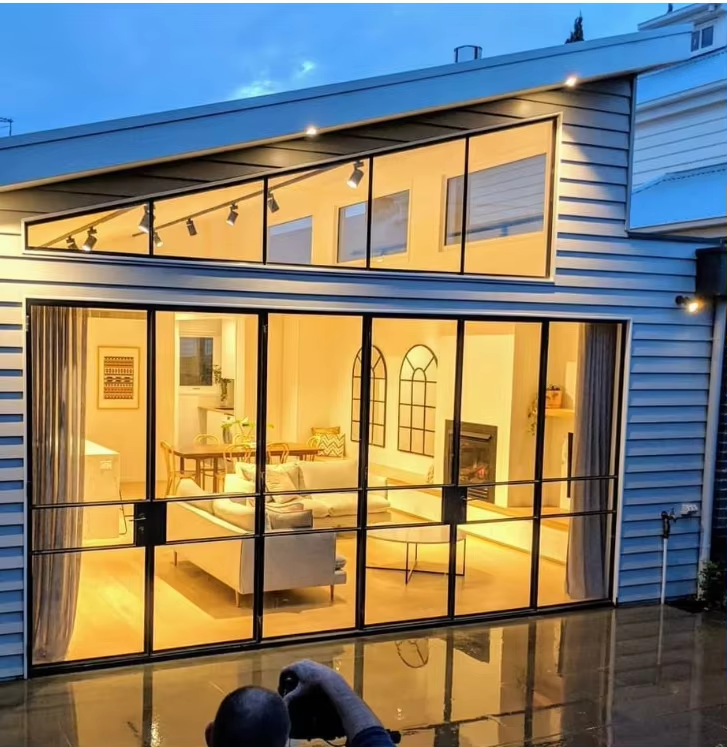
Choosing glass for steel awning windows means balancing heat flow, daylight, comfort, safety, and budget. The right specification depends on climate, orientation, room use, and the condition of the existing opening. For commercial window replacement options, compare complete glazing assemblies rather than glass alone, because seals, spacers, and industrial steel window frames all affect results.
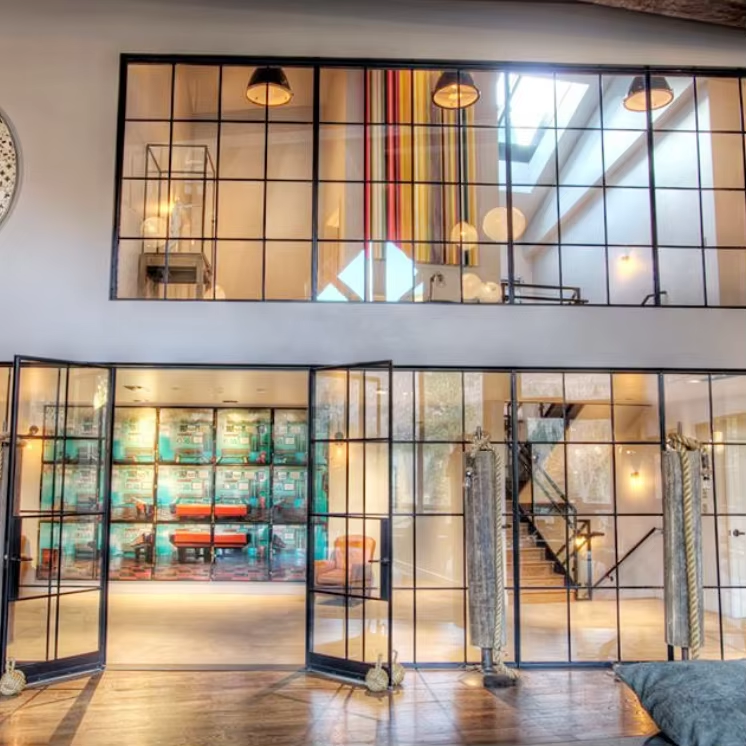
In most projects, insulated glazing with a suitable low-emissivity coating is a strong starting point, while laminated or tempered glass addresses safety needs. The best fit depends on exposure and operating conditions, not a single universal rating. Weather-resistant awning window installation matters too: a high-performing unit can still leak air or water if its perimeter connection is poorly detailed.
Assessing glazing performance for the project
Insulated glass for heat control
An insulated glass unit uses two or more panes separated by a sealed cavity. The cavity slows heat transfer compared with a single pane, helping stabilize indoor temperatures near the window. When reviewing commercial window replacement options, ask for whole-window performance data, not just center-of-glass figures. Industrial steel window frames can conduct heat, so their design and thermal breaks influence the completed assembly.
Gas fill and warm-edge spacers can improve the performance of an insulated unit when they are specified and manufactured appropriately. Their value depends on the complete unit, edge seals, and installation quality. Weather-resistant awning window installation protects those details by controlling drainage and air leakage at the opening. For older industrial steel window frames, also check whether frame depth can accommodate the proposed glazing thickness.
Low-E coatings and solar exposure
Low-emissivity coatings reduce radiant heat transfer through glass. The coating location and solar-control level should match the building’s climate and façade orientation. In sunny rooms, a solar-control option may limit unwanted heat gain; in colder settings, a coating selected for heat retention may better support comfort. Compare commercial window replacement options against heating, cooling, and daylight priorities together.
Avoid choosing a coating by label alone. Request visible-light transmission and solar heat gain information, then consider how the glass will affect glare, views, and interior finishes. Industrial steel window frames may create a slim sightline that admits useful daylight, but glass selection still determines much of the solar behavior. Weather-resistant awning window installation should preserve the manufacturer’s drainage path and avoid damaging coated surfaces during handling.
Matching glass to safety and operating needs
Tempered and laminated glass
Tempered glass is heat-treated to increase resistance to impact and thermal stress; when it breaks, it fragments into smaller pieces. Laminated glass bonds layers with an interlayer that holds many fragments in place after breakage. Select the safety type according to local code, occupancy, pane location, and impact risk. Commercial window replacement options should identify where each glass type is required rather than applying one choice everywhere.
For doors, low-level glazing, or areas exposed to people and equipment, the project team should verify applicable safety-glazing requirements. Laminated glass can also be useful where retaining a barrier after breakage is important, though its weight and thickness affect hardware and frame capacity. Industrial steel window frames must be checked for compatibility with the selected assembly, and weather-resistant awning window installation must secure the unit without creating stress points.
Sound, condensation, and ventilation
Where traffic or machinery noise is a concern, differing pane thicknesses or laminated constructions may help reduce sound transmission. Results depend on the full assembly, including seals and frame joints. When comparing commercial window replacement options, state the noise problem clearly and ask for relevant acoustic data. A heavier glass package may require a review of hinges, operators, and support within industrial steel window frames.
Condensation is influenced by indoor humidity, glass temperature, edge details, and airflow. Better insulating glass can raise interior surface temperatures, but it cannot correct excessive humidity or blocked ventilation. Weather-resistant awning window installation should include continuous perimeter sealing and correctly managed sill drainage, while keeping designed weep paths open. These details help the selected glass perform as intended in daily conditions.
Specifying and installing the complete assembly
Fit glazing to climate and frame condition
Start the specification with climate, façade direction, room function, and the building’s heating or cooling strategy. Then compare insulation, solar control, safety, and daylight needs. Commercial window replacement options should account for the frame’s existing condition, since corrosion, movement, or damaged glazing pockets may change what can be reused. Inspect industrial steel window frames before settling on glass thickness or unit weight.
For exposed elevations, consider wind-driven rain, temperature swings, and maintenance access. A sound glazing choice still relies on durable seals and properly integrated flashing. Weather-resistant awning window installation needs a clear path for water to drain outward and a connection suited to the wall construction. Discuss how the glass unit, gaskets, fasteners, and industrial steel window frames work together as one system.
Coordinate measurements, ratings, and installation
Before ordering, confirm rough-opening dimensions, frame squareness, glazing bite, operating clearances, and hardware capacity. Ask the project team to document the glass make-up and applicable thermal and safety ratings. This makes commercial window replacement options easier to compare on equal terms. If the opening is irregular, accurate field measurements reduce fit problems and help preserve the intended performance of steel awning windows.
During installation, protect glass edges, use compatible setting blocks and sealants, and follow the system’s drainage details. Weather-resistant awning window installation should be inspected for even reveals, smooth operation, secure locking, and continuous perimeter sealing. Confirm that industrial steel window frames are anchored appropriately and that water can exit at designed weep points. A documented final check helps catch problems before interior finishes conceal the junction.
FAQ
Which glass is usually suitable for energy efficiency?
An insulated unit with a climate-appropriate low-E coating is a practical starting point, but the best specification depends on orientation, comfort goals, and code. Compare commercial window replacement options using whole-window data, and confirm that industrial steel window frames can support the unit. Good weather-resistant awning window installation is necessary to retain the intended performance.
Does steel framing change the glass specification?
Yes. Frame depth, thermal bridging, glazing pockets, and hardware capacity influence the complete assembly. Review industrial steel window frames before selecting thickness or weight, and compare commercial window replacement options as whole systems. Weather-resistant awning window installation must also address the joint between frame and wall to limit air and water entry.
Can safety glass also support energy goals?
Yes. Tempered or laminated glass can be combined with insulated construction and appropriate coatings, subject to project requirements and product availability. Confirm code needs, ratings, and compatibility with industrial steel window frames. Careful weather-resistant awning window installation and a clear comparison of commercial window replacement options help balance safety, comfort, and energy performance.