 EN

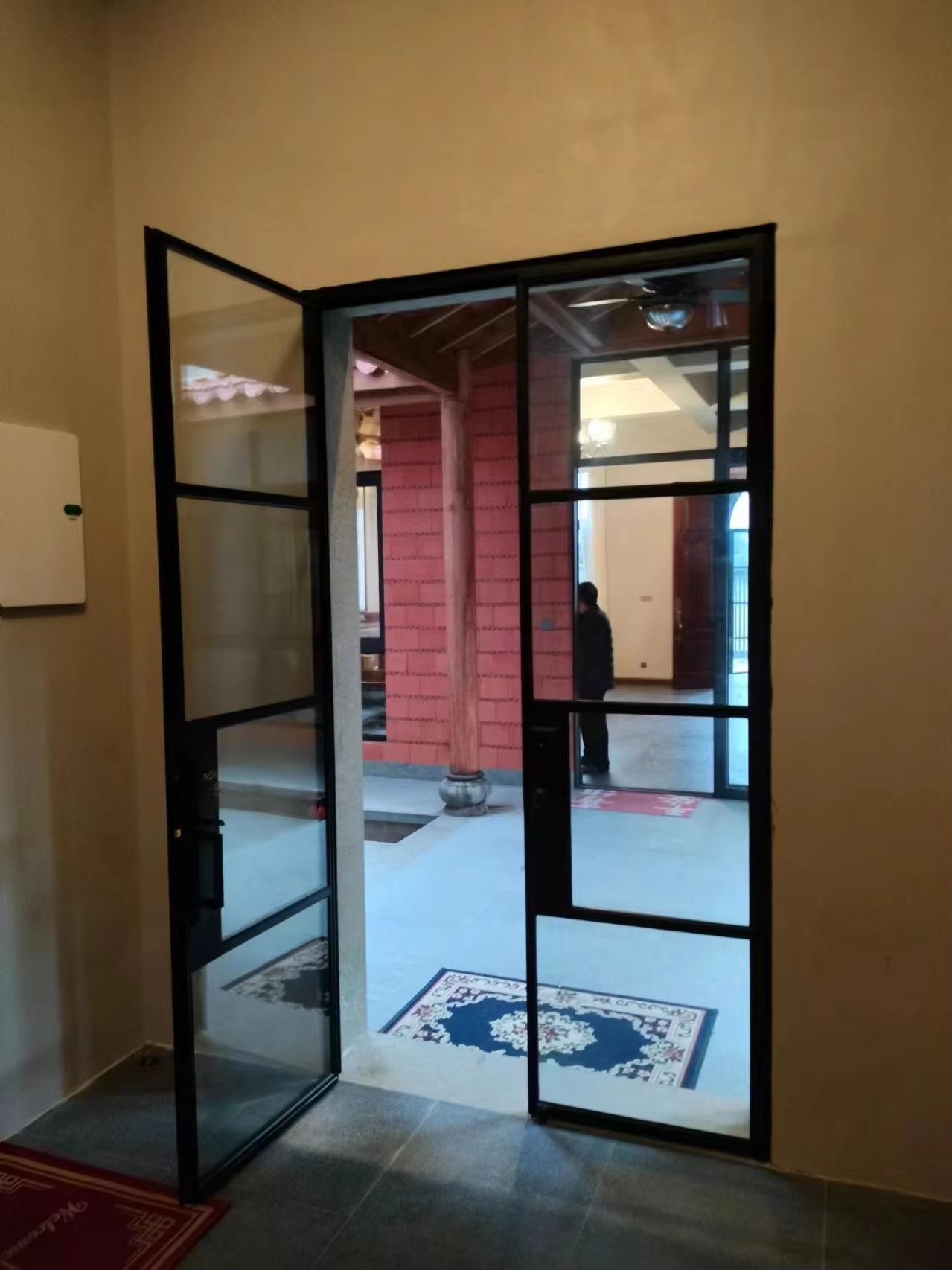
Comparing suppliers of thermal break steel doors means looking beyond appearance and quoted price. Buyers need to understand how each proposed system manages heat transfer, what evidence supports its performance, and whether the supplier can deliver the required configuration. Reviewing insulated steel entry doors against the same project criteria helps procurement teams make a fair, documented decision.
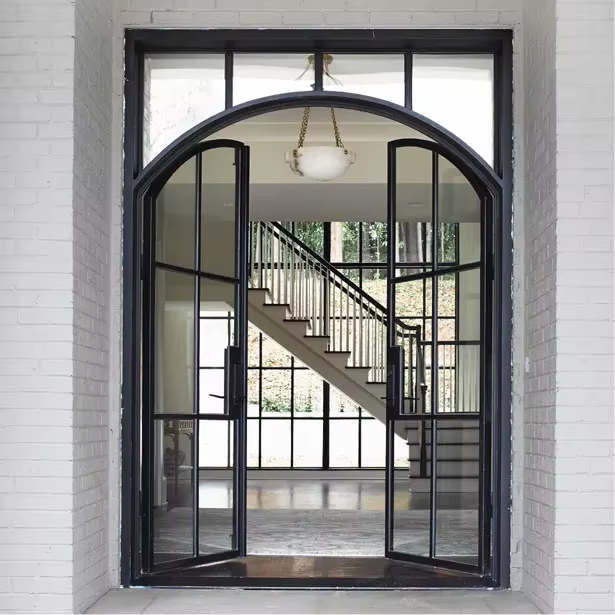
A useful comparison connects product construction to the building’s actual conditions. Ask each supplier to explain thermal insulation for metal doors, including the frame, glazing, seals, and installation interface, rather than relying on a general energy claim. This approach clarifies what is included, identifies information gaps, and helps determine whether the proposed steel doors energy efficiency aligns with project priorities.
Set comparable performance requirements
Define the project conditions first
Before requesting proposals, document the opening size, door arrangement, operating frequency, exposure, and applicable project requirements. These details affect what is being compared and prevent a supplier from pricing a simpler configuration than another. For insulated steel entry doors, also state whether the assembly includes sidelights, glazing, thresholds, hardware, and perimeter seals.
Discuss thermal insulation for metal doors in relation to the whole opening, not just the center panel. A thermally separated frame can reduce a direct path for heat flow, but the surrounding wall connection and closure details matter too. Use one written specification for every bidder so steel doors energy efficiency claims refer to equivalent conditions and scope.
Request evidence in a consistent format
Ask for the stated thermal performance value, the method used to determine it, and the exact assembly covered. Confirm whether results apply to the complete door or only a component. When evaluating thermal break steel doors, the thermal break steel doors specification should identify the frame, sash, glazing, and relevant seals represented by the evidence.
Treat missing or incomparable documentation as a clarification item, not as proof of poor quality. Request reports, declared values, and test conditions in writing, then record any assumptions used in the proposal. This makes insulated steel entry doors easier to assess on an equal basis and helps prevent a low initial quotation from obscuring a different product scope.
Compare construction and project fit
Examine the complete door assembly
Ask how the thermal break is incorporated into the frame and door leaf, and what materials separate interior and exterior metal surfaces. The answer should describe the proposed construction rather than rely on a label. For thermal insulation for metal doors, also examine glazing selection, edge details, gaskets, and threshold design, since each can influence heat transfer and comfort.
Review operating type, dimensions, finish, hardware, and safety requirements alongside thermal data. A glazed entrance serving a public building has different practical demands from a service door in a controlled-access area. Compare steel doors energy efficiency only among assemblies that meet the same functional brief, including the required level of visibility, access, and durability for the location.
Check suitability for the installation environment
Ask suppliers to identify limitations related to exposure, drainage, condensation, or maintenance. These are especially relevant where temperature differences and moisture can affect the opening. When reviewing insulated steel entry doors, clarify whether the offered seals and glazing details suit the project’s expected conditions, and whether special preparation or compatible wall interfaces are required.
A technically capable product may still be a poor project fit if its dimensions, opening direction, lead time, or service access do not work. Confirm how thermal insulation for metal doors is preserved at corners, joints, and threshold transitions. Compare these details with drawings and site constraints before selecting a proposal, rather than resolving avoidable conflicts after fabrication.
Assess delivery, accountability, and value
Review scope and installation responsibility
Separate product supply from installation, commissioning, and site coordination in every quotation. Establish who verifies opening measurements, prepares shop drawings, supplies fixings, and handles adjustments. For thermal break steel doors, clear responsibility matters because fitting gaps or poorly coordinated interfaces can undermine the intended performance of the assembly.
Ask what information the supplier needs from the project team and when approvals are required. Confirm packaging, delivery sequence, storage guidance, and the process for reporting damage or discrepancies. A complete review of insulated steel entry doors should capture these obligations alongside product cost, so procurement can compare the practical workload and risks associated with each offer.
Use a documented decision process
Create a comparison record covering specification compliance, performance evidence, construction, options, exclusions, delivery, and warranty terms. Note which statements are verified and which remain assumptions. This keeps steel doors energy efficiency in context: a single rating cannot replace a check of fit, documentation, installation scope, and suitability for the intended building use.
Ask each supplier to confirm the final configuration and any deviations before award. Compare warranty coverage, maintenance instructions, replacement-part availability, and the route for technical support. If details remain unclear, seek written answers using the same questions for every bidder. This disciplined review makes thermal insulation for metal doors easier to evaluate and supports a decision based on project value, not price alone.
FAQ
Which performance documents should buyers request?
Request applicable test or declaration documents, the performance value, test method, and assembly description. Confirm that the evidence represents the quoted configuration. For insulated steel entry doors, ask whether the result includes the frame, glazing, and seals; this helps relate the documents to the complete opening and compare proposals consistently.
Does a thermal break guarantee low heat transfer?
No. A thermal break interrupts a direct conductive path through metal, but overall results also depend on glazing, frame geometry, seals, threshold, and installation. Ask suppliers to explain thermal insulation for metal doors with evidence for the proposed assembly, rather than treating one construction feature as a complete performance guarantee.
How can buyers compare quotations fairly?
Issue the same drawings, requirements, and scope questions to every bidder, then record inclusions, exclusions, evidence, and unresolved assumptions. Compare equivalent configurations and clarify deviations before award. For steel doors energy efficiency, weigh documented performance alongside delivery, installation responsibility, warranty, and project fit instead of relying on price or a broad product description.