 EN

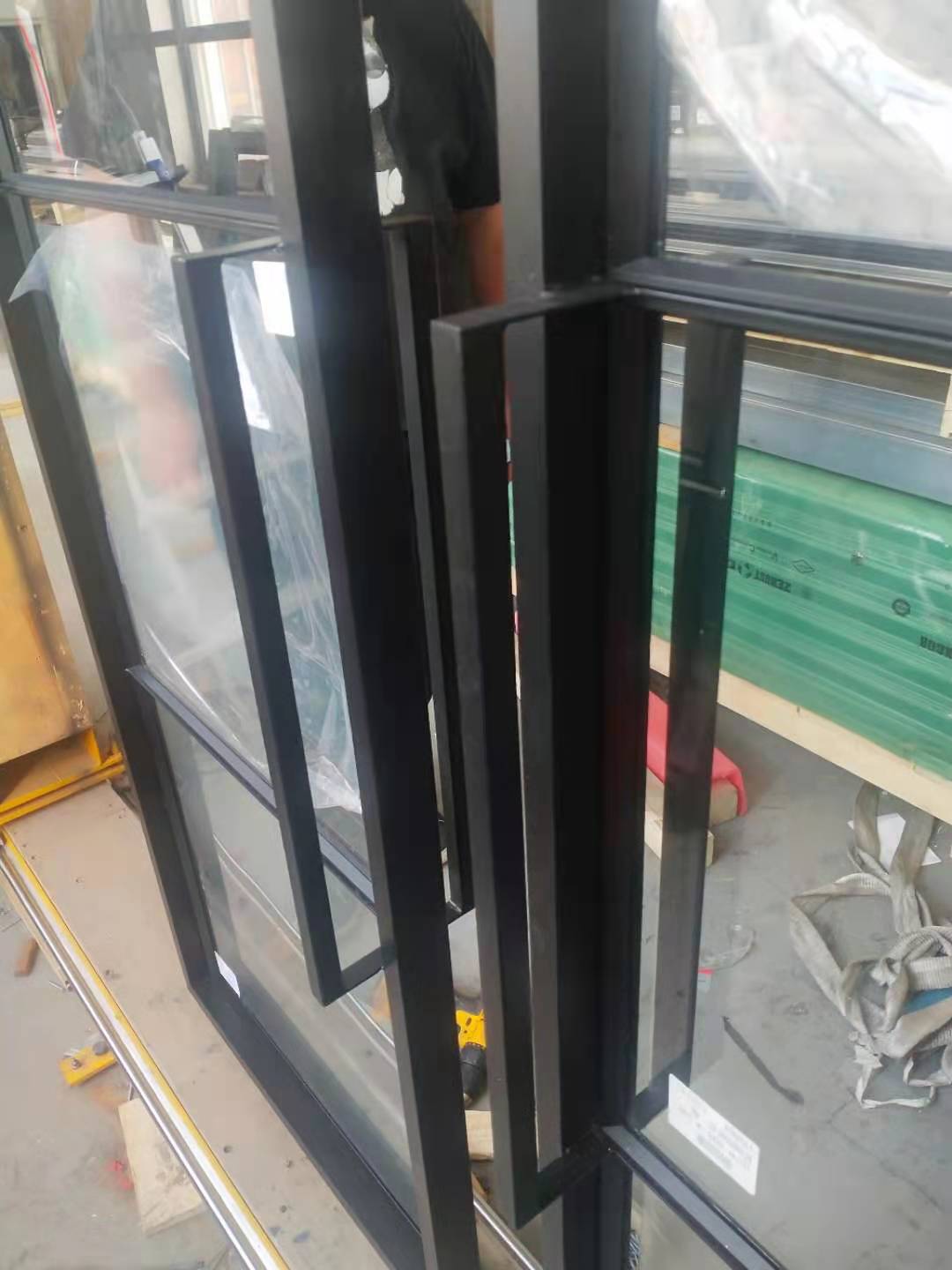
Importers should check more than a product description before approving thermal break steel doors. Testing evidence needs to match the exact door configuration, intended exposure, and applicable local requirements. A thermal claim alone does not establish whole-door performance, and test results for a frame or glass component may not represent the finished assembly.

A useful review connects laboratory reports with drawings, materials, labeling, and shipment controls. Assess thermal insulation door frames alongside the glazing and hardware, then confirm that energy efficient metal door systems meet project needs. Also examine condensation prevention steel doors evidence for the conditions the project will actually face, rather than relying on broad marketing language.
Confirming the Relevant Test Evidence
Check standards, reports, and test scope
Start by asking which standards and test methods apply in the destination market. Request complete reports, not just certificates or summary sheets, and check the laboratory, report date, specimen dimensions, and measured results. For thermal insulation door frames, verify whether the tested specimen included the same frame, glazing, seals, and threshold proposed for the order.
A report for energy efficient metal door systems is useful only when its scope is clear and relevant to the intended installation. Review the stated boundary conditions and any exclusions, such as special hardware or limited opening sizes. For condensation prevention steel doors, identify the reported surface-temperature or condensation-related assessment and the indoor and outdoor conditions used.
Match the tested specimen to the ordered assembly
Compare report drawings with approved shop drawings, including frame depth, thermal barrier, panel or glass build-up, seals, and opening direction. Small changes can affect performance, so request clarification when a report covers a different configuration. This step is essential when thermal insulation door frames are offered in several profiles or with optional thresholds.
Check that the specified glass make-up, spacer, and edge details are consistent with the test specimen. Energy efficient metal door systems should be reviewed as complete assemblies, not as disconnected components with separate claims. Confirm whether condensation prevention steel doors results apply to the precise glazing and frame combination, especially if the project uses a customized size.
Assessing Thermal and Weather Performance
Evaluate heat transfer evidence in context
Review the reported thermal transmittance value and establish whether it describes the frame, glazing, or whole door. Ask for the calculation method or test basis, units, and any assumptions that influence the result. Thermal insulation door frames can contribute to overall performance, but the glass area and edge construction also matter.
Compare the evidence with the project specification rather than treating a single rating as universally suitable. Energy efficient metal door systems should be assessed against the building’s climate, operating schedule, and energy targets. Confirm that the proposed result applies to the intended size and configuration; a value from a smaller sample may not transfer directly to a larger door.
Verify air, water, and condensation-related checks
Ask whether air leakage and water penetration were evaluated using methods required for the project, and note the pressure levels and pass criteria. Installation details can influence these outcomes, so review the tested perimeter seals and sill arrangement. Thermal insulation door frames need sound interfaces to maintain the assembly’s intended function after installation.
For condensation prevention steel doors, check what the report actually measures and which temperature and humidity conditions it represents. Surface temperatures depend on both the assembly and the environment, so avoid assuming that a favorable result prevents condensation in every building. Energy efficient metal door systems should be paired with appropriate interior humidity management and careful installation planning.
Controlling Import and Project Acceptance
Review documentation before production release
Create a document review that links each report to a drawing revision and product specification. Confirm material descriptions, frame and glass options, hardware, dimensions, and test limitations before authorizing production. Thermal insulation door frames documentation should identify the tested profile clearly, making it easier to catch substitutions during order review.
Check that energy efficient metal door systems paperwork includes traceable product identifiers and consistent descriptions across reports, invoices, and packing documents. Confirm required labels, declarations, and local compliance records with the project team or relevant authority. For condensation prevention steel doors, retain the supporting test evidence and installation guidance with the project file.
Set acceptance controls for shipment and installation
Before shipment, compare the approved specification against production records and available inspection evidence. Verify that the delivered configuration has not changed in profile, glazing, seals, or threshold. Where thermal insulation door frames are critical to the project, make any required inspection points and document checks part of the purchase and quality plan.
Plan installation checks around anchoring, perimeter sealing, drainage, and transitions to the surrounding wall. Even energy efficient metal door systems can underperform if site interfaces depart from the tested details. Keep condensation prevention steel doors expectations realistic by considering indoor moisture, ventilation, and local climate as well as product results.
FAQ
Which report should an importer request first?
Begin with the test report that addresses the project’s primary performance requirement, then verify its method, specimen, and applicability. For thermal insulation door frames, a complete report is more useful than an isolated claim. Energy efficient metal door systems should have evidence that matches the assembly being purchased, not simply a similar product family.
Does a thermal result guarantee no condensation?
No. Condensation depends on surface temperature, indoor humidity, and surrounding conditions, so a product assessment is not a universal guarantee. Use condensation prevention steel doors evidence to understand the tested conditions, and confirm that thermal insulation door frames details, installation, and building operation suit the project environment.
Can test results apply to every size and option?
Not automatically. Size, glass, seals, and hardware may differ from the tested specimen, so request confirmation of the report’s scope before relying on it. Energy efficient metal door systems need configuration-specific review, while condensation prevention steel doors documentation should identify any limitations that affect the ordered assembly.