 EN

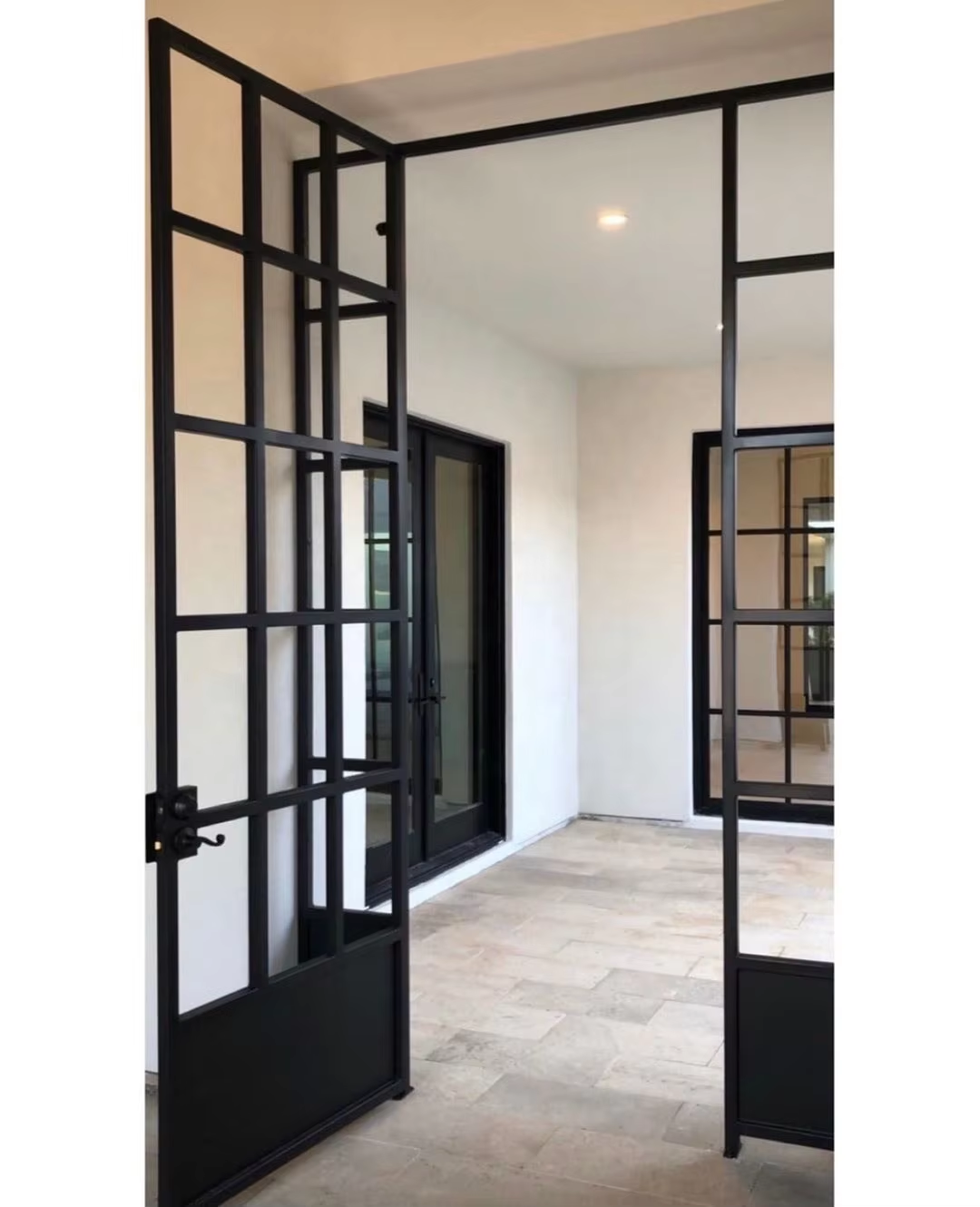
Comparing surface finishes is a practical way to assess steel design windows and doors before specifying them for a project. The right finish should suit the building’s exposure, appearance, cleaning plan, and expected service conditions. For industrial window and door frames, buyers should look beyond color samples and ask how the finish is prepared, applied, inspected, and maintained.
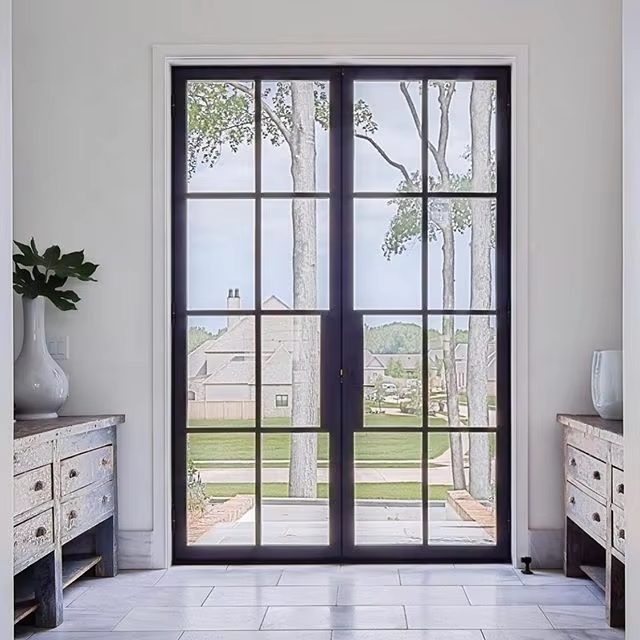
A useful comparison starts with the conditions the assembly will face, not with a preferred color alone. Steel frame durability and weather resistance depend on the substrate, pretreatment, coating system, fabrication details, and exposure together. Buyers should also consider modern steel window installation and maintenance, because handling, site work, and cleaning can affect how a finish looks and performs over time.
Set project criteria before comparing finishes
Match the finish to the exposure
Begin by recording whether the project is inland, coastal, industrial, or subject to frequent washing and condensation. These conditions help define the level of protection required and the questions to ask about steel frame durability and weather resistance. Industrial window and door frames in sheltered interiors may face different demands from exterior openings exposed to rain, airborne contaminants, or regular temperature changes. A clear exposure description makes finish proposals easier to compare on equal terms.
Ask for the finish specification, including pretreatment steps, coating type, application method, and inspection criteria. A color name alone does not explain how the coating adheres or how corners and edges are treated. Buyers reviewing industrial window and door frames should confirm that the stated finish applies to the actual steel components and not just a sample panel. Include steel frame durability and weather resistance in the specification discussion, with project exposure stated plainly.
Define appearance and acceptance standards
Agree on the visual standard before production. Decide how much variation in gloss, texture, and color is acceptable, and whether adjacent frames must match closely under the project’s lighting. For modern steel window installation and maintenance, a documented sample can provide a practical reference for later inspection. It also helps teams distinguish normal visual variation from damage, uneven coverage, or an unacceptable defect during delivery.
Review the sample at a realistic viewing distance and, where possible, under lighting similar to the finished space. Check corners, weld areas, joints, and detailed profiles rather than judging only a broad flat surface. Buyers comparing industrial window and door frames can use this review to establish acceptance criteria before ordering. The same planning supports steel frame durability and weather resistance by drawing attention to areas where preparation and coating continuity matter.
Compare finish systems on useful evidence
Evaluate preparation, coverage, and documentation
A robust comparison considers the full coating process instead of treating finish as a final decorative layer. Request information about surface cleaning, pretreatment, coating thickness requirements, curing, and quality checks. When assessing industrial window and door frames, ask how coating coverage is maintained around profiles, cut edges, hardware interfaces, and fabrication details. Steel frame durability and weather resistance are influenced by these details, so a general product description is not enough to establish project suitability.
Look for relevant technical documents and clarify which tests or inspection records are available for the specified finish. Buyers should understand what the evidence covers, the conditions under which it applies, and any limitations. For steel frame durability and weather resistance, documentation should support a reasoned comparison rather than be treated as a universal guarantee. Modern steel window installation and maintenance planning also benefits from knowing which cleaners or repair methods are compatible with the coating.
Weigh the trade-offs in finish choice
Different finishes can create different combinations of appearance, upkeep, repairability, and protection. A textured or low-gloss appearance may suit a design brief, while a smoother surface may be simpler to wipe clean; the right choice depends on location and use. For industrial window and door frames, compare those practical trade-offs alongside the stated coating system. Modern steel window installation and maintenance requirements should be checked rather than assumed from the finish appearance.
Compare the proposed finish against the project’s cleaning frequency, access constraints, and expected handling after delivery. A finish that is easy to inspect may help facilities teams identify scratches or localized damage early. When reviewing steel frame durability and weather resistance, ask how the coating responds to the specific exposure identified for the building. Industrial window and door frames used in busy settings may also need a clear procedure for touch-up work after installation.
Request comparable samples or written specifications when reviewing alternatives, and keep the evaluation criteria consistent. Check that each option addresses the same substrate, exposure, visual standard, and maintenance expectations. Modern steel window installation and maintenance can vary with details such as access, protection during construction, and the timing of cleaning. If those factors are not considered, a finish can appear suitable on paper but prove inconvenient in day-to-day building operations.
Confirm installation and lifecycle expectations
Protect finished components on site
Even a well-specified finish can be damaged by poor storage, rough handling, or contact with incompatible materials. Confirm packaging, storage orientation, lifting points, and temporary protection with the project team before delivery. Modern steel window installation and maintenance planning should include who removes protective films and when, since leaving them exposed for too long or removing them carelessly can create problems. Industrial window and door frames should be inspected on arrival and any damage recorded promptly.
Coordinate installation procedures with the finish requirements. Avoid practices that can scratch coated surfaces, and confirm that sealants, cleaners, and adjacent materials are compatible with the coating. Buyers should ask how installers will protect edges and finished faces while units are moved into place. Good modern steel window installation and maintenance procedures reduce preventable damage, while attention to steel frame durability and weather resistance keeps the specified protection connected to actual site conditions.
Plan care and make a decision
Ask for cleaning guidance that identifies suitable products, frequency, and methods for removing common deposits. A simple written plan helps building operators avoid abrasive tools or chemicals that may harm the finish. Modern steel window installation and maintenance instructions should also explain how to assess scratches, coating loss, or early signs of corrosion and when specialist review is appropriate. This turns maintenance into a manageable part of ownership rather than an afterthought.
Before approval, compare each option against the same project criteria: exposure, finish consistency, available technical evidence, expected care, and repair approach. This helps buyers select steel design windows and doors based on fit rather than appearance in isolation. For industrial window and door frames, the strongest decision is the one supported by clear specifications and realistic operating expectations. Confirm that steel frame durability and weather resistance are addressed by the selected system and that modern steel window installation and maintenance responsibilities are understood.
FAQ
Does a darker finish always need more maintenance?
Not necessarily. Visible dust, water marks, and minor surface changes depend on the finish texture, location, and cleaning conditions. Compare samples in the project environment and follow the coating care guidance rather than choosing by color alone.
What should buyers request when comparing coating options?
Request the finish specification, pretreatment and application details, relevant inspection or test documentation, sample approval criteria, and cleaning instructions. These details make it easier to evaluate exposure suitability and ongoing care.
When should the finish be inspected?
Inspect components at delivery, after installation, and during routine building maintenance. Promptly document visible damage and use the recommended repair process to prevent a small defect from being overlooked.