 EN

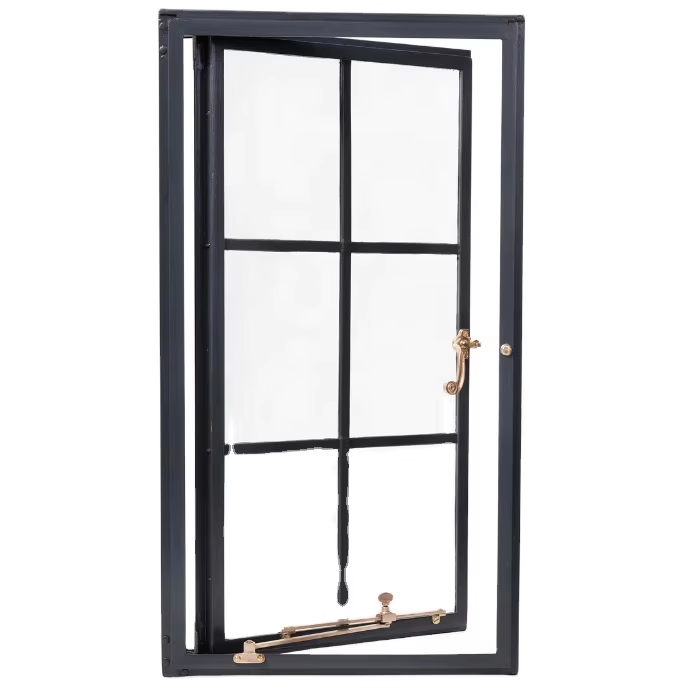
Evaluating thermal performance means looking beyond the glass specification. Buyers should assess the complete door assembly, including glazing, steel profiles, seals, thresholds, and installation details. Thermal insulated steel doors can reduce heat transfer when their frame and glazing work together, but a label alone does not establish performance. For steel glazed doors, request evidence for the full configuration being quoted, then compare it with the building’s climate, opening size, and energy requirements. This approach helps prevent a strong glazing value from disguising heat loss elsewhere in the assembly.

A useful evaluation separates measurable thermal properties from the practical conditions that affect them on site. Ask whether reported values apply to the glass alone, the frame, or the complete unit, and confirm the tested dimensions and configuration. Commercial glass door frames may use steel for slim sightlines, but the profile design and any thermal break influence heat flow. If a project also requires fire-rated steel glass doors, treat fire compliance and thermal performance as distinct checks: one rating does not automatically establish the other.
Establish a Comparable Thermal Baseline
Request whole-door performance data
Start with the whole-door U-value, which describes heat transfer through the tested assembly; a lower value generally indicates less heat flow under the stated test conditions. Check that the report covers the proposed size, glazing build-up, frame, and operating configuration. Thermal insulated steel doors should be evaluated using equivalent boundaries and units, rather than comparing a glass-center figure with a complete-door result. When data only covers the glazing, ask for frame data and a clearly explained whole-unit estimate. Commercial glass door frames need the same scrutiny because profile area can materially affect the overall result.
Match the test configuration to the project
Test conditions matter. A value produced for a small, fixed sample may not represent a large opening with multiple leaves, meeting stiles, or a low threshold. Ask whether the assessment includes the actual door dimensions and the same glass specification intended for purchase. For steel glazed doors, compare thermal insulated steel doors only when the reported methods and boundaries are consistent. Commercial glass door frames with different mullion widths or thermal breaks are not like-for-like, even if their headline glass values match. Keep the report with the submittal so design reviewers can trace the stated result.
Inspect the Components That Shape Heat Flow
Review the frame, glazing, and junctions
Steel conducts heat efficiently, so frame geometry and thermal separation deserve close attention. Ask how the profile limits heat transfer from the exterior face to the interior face, and whether the thermal break is continuous at corners, joints, and hardware locations. Thermal insulated steel doors should specify the glass layers, cavity, coatings, and edge construction rather than simply naming a glazing type. For commercial glass door frames, request section drawings that show how frame and glass meet. Fire-rated steel glass doors may use particular glass and framing systems, so confirm the tested assembly supports the required fire classification.
Check seals, thresholds, and air leakage
Air leakage can undermine the benefit of otherwise capable glazing and profiles. Review compression seals around the perimeter, the meeting stile between leaves, and the threshold detail, then ask for leakage results where available. Thermal insulated steel doors need seals suited to the opening’s operation and exposure, with installation tolerances that allow consistent contact. Commercial glass door frames should also address drainage and weather seals without creating an unintended air path. For fire-rated steel glass doors, verify that the specified seals and threshold arrangements are part of the approved configuration, not later substitutions that could compromise compliance.
Apply Evidence to Procurement and Installation
Translate specifications into a project decision
Use project conditions to decide whether the documented result is adequate. Consider indoor and outdoor design temperatures, heating or cooling goals, opening orientation, expected traffic, and whether the door separates conditioned space from an unconditioned area. Thermal insulated steel doors should be assessed against the project’s stated energy criteria, not an assumed universal pass mark. Ask the design team to review condensation risk at frame edges as well as average U-value. Commercial glass door frames in humid interiors or cold climates may require closer attention to interior surface temperatures and edge details.
Control submittals, changes, and installation quality
Before approval, align product drawings, glass schedules, test reports, and hardware details. Record the exact profile, thermal break, glazing make-up, seals, threshold, and dimensions tied to the performance evidence. If any element changes, ask whether the revised assembly remains covered by the same data. This is especially important for fire-rated steel glass doors, where substitutions can affect both certification and thermal behavior. Thermal insulated steel doors can only deliver their intended performance when installed square, anchored as specified, and sealed to the surrounding construction. Commercial glass door frames should therefore be checked at handover for gaps, binding, and damaged seals.
FAQ
Which performance value should buyers request first?
Request the whole-door U-value for the closest available size and configuration, then confirm its test basis. Thermal insulated steel doors should not be compared using glass-only values when the decision concerns a complete opening. Ask for supporting frame and glazing details, and note any differences between tested and specified dimensions. Commercial glass door frames may vary significantly in profile area, while fire-rated steel glass doors must also match the required approved assembly. The goal is a traceable comparison, not a single isolated number.
Does a thermal break guarantee low heat loss?
No. A thermal break can interrupt direct heat flow through a frame, but its effectiveness depends on profile design, continuity, glazing, edge details, and seals. Thermal insulated steel doors still need whole-assembly evidence and suitable installation details. Review commercial glass door frames for junctions that bridge the separation, including corners and hardware interfaces. If fire-rated steel glass doors are specified, confirm that the thermal configuration and fire-tested arrangement are compatible rather than assuming one feature proves the other.
Can fire-rated doors also meet thermal goals?
They may meet both requirements when the specified assembly has evidence for each, but fire performance alone does not demonstrate energy performance. Confirm the required fire classification and review thermal data for the same glass, frame, seals, and dimensions. Fire-rated steel glass doors should not be modified without checking the effect on approval. Compare thermal insulated steel doors on equivalent data, and ensure commercial glass door frames are detailed for the project’s climate and installation conditions. Coordinating both reviews early can reduce specification conflicts.