 EN

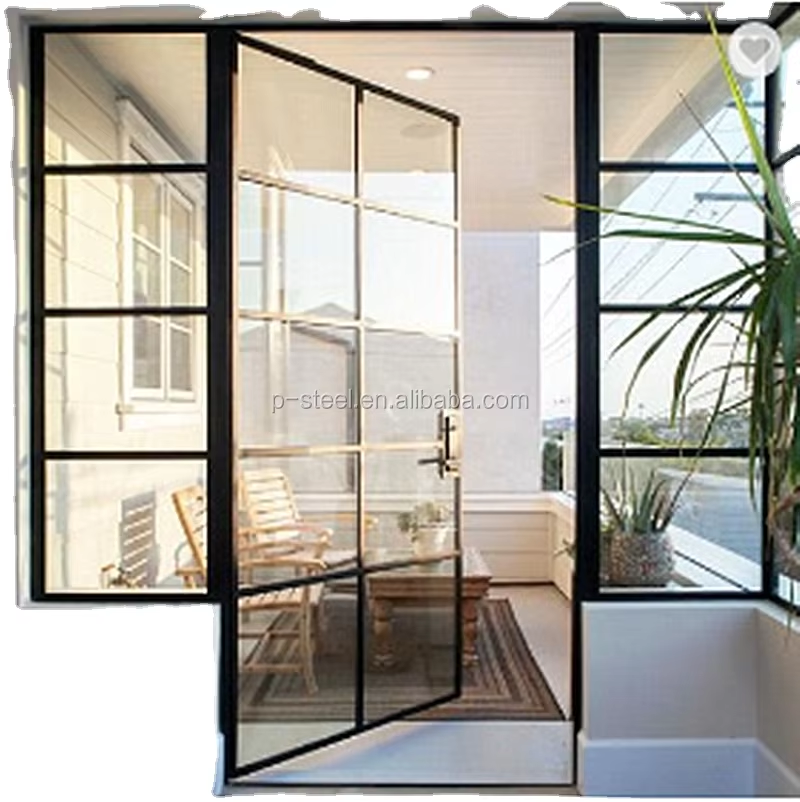
When sourcing steel glazed doors, security depends on more than the strength of the steel profile. Buyers need to assess the complete entrance assembly: frame anchorage, glazing retention, locking hardware, access control, and the evidence supporting any fire or thermal claims. Reviewing these details together helps teams compare commercial glass door frames against the actual risks and operating conditions at the opening.
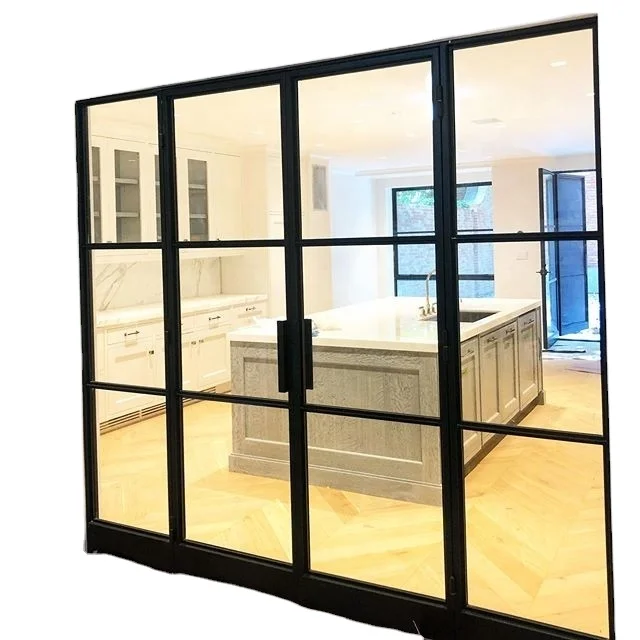
The right specification starts with the building’s threat profile and code obligations, not with appearance alone. Check how the door will be used, who may enter, and what must remain protected; then evaluate thermal break steel doors and fire rated steel glass doors only against documented project requirements. A clear review also makes commercial glass door frames easier to assess consistently.
Assess the complete physical security assembly
Frame, anchorage, and glazing retention
A secure opening transfers force from the door leaf through hinges, frame, fasteners, and the surrounding wall. Ask for frame section details, reinforcement locations, hinge preparation, and recommended anchorage suited to the substrate. Commercial glass door frames should be reviewed as part of that connected assembly, rather than judged by visible steel thickness alone.
Glazing security depends on how the glass is captured and retained under pressure. Confirm the glazing type, thickness, bead arrangement, and whether beads can be removed from the exposed side. For commercial glass door frames, request drawings that show the glass pocket and retention method. Thermal break steel doors also need a defined frame construction, because the thermal separator should not obscure how hardware and glazing are supported.
Hardware that resists forced entry and wear
Specify hinges, locks, strike plates, and fasteners for the door’s traffic level and security function. A lock is only as dependable as its engagement with the frame, so verify strike reinforcement and the number and location of locking points. Fire rated steel glass doors require compatible hardware where a fire rating applies, while commercial glass door frames should accommodate the chosen components without field improvisation.
Consider whether hinges need non-removable pins, whether closers are required, and how the door behaves when users push or pull unevenly. These practical checks matter in entrances with frequent deliveries, public access, or controlled staff circulation. Thermal break steel doors must retain a continuous, stable fit as well; ask how the frame accommodates seals and hardware without compromising its specified thermal construction.
Verify access control and rated performance
Match access hardware to the entry workflow
Map the intended access sequence before choosing electrified locks, card readers, request-to-exit devices, or monitoring contacts. Confirm where wiring enters the frame and how it reaches the lock, then check that service access remains possible. Commercial glass door frames should be coordinated with the access-control layout early, since later drilling can damage finishes, glazing clearances, or concealed reinforcement.
Decide what happens during a power failure, fire alarm, or emergency release, and confirm that the planned behavior meets applicable codes. The chosen lock must work with the building’s security logic without obstructing safe egress. For fire rated steel glass doors, request confirmation that the complete configuration—including glazing, frame, seals, and hardware—is covered by the required documentation, not just that individual parts carry ratings.
Separate thermal and fire claims from security evidence
Thermal performance can affect comfort, condensation risk, and operating stability, but it is not proof of forced-entry resistance. For thermal break steel doors, ask for construction details and project-relevant performance information, then evaluate these separately from lock and glazing-retention specifications. Commercial glass door frames should be checked for weather seals, threshold interfaces, and compatible perimeter conditions.
A fire label or certificate answers a different question from a security test. When fire rated steel glass doors are required, verify the applicable rating, tested size or configuration, and permitted hardware options with the responsible code professional. Do not assume a visually similar door inherits the same approval. Commercial glass door frames must match the documented assembly and installation conditions for the evidence to apply.
Build a sourcing review around project risks
Request evidence that can be checked
Ask for dimensioned shop drawings, component schedules, installation guidance, and relevant test or listing documents before approving a submittal. The documents should identify the glass, frame, hinges, lock preparation, seals, and anchorage assumptions. For commercial glass door frames, this record lets the project team compare proposed details against the opening, wall type, and security plan rather than relying on broad product descriptions.
Use the same review questions for each opening, but adjust acceptance criteria to its use. A staff-only interior door may need different controls from a street-facing entrance or a restricted equipment room. Thermal break steel doors may be relevant at exposed building envelopes, while fire rated steel glass doors are relevant where the approved fire strategy calls for a rated opening. Keep each requirement tied to a documented need.
Coordinate installation, inspection, and maintenance
Even well-selected hardware can underperform if the frame is out of square, anchors are unsuitable, or the latch does not align after installation. Include substrate verification, installer responsibilities, and inspection points in the project plan. For commercial glass door frames, confirm that field tolerances preserve clearances, seals, locking engagement, and glazing retention.
Plan routine checks for loose fasteners, worn closers, damaged seals, and changes in latch alignment. Record the approved configuration so replacements do not introduce incompatible hardware or glazing. If the opening uses thermal break steel doors, maintenance should preserve the separation and sealing details specified for the assembly. If it uses fire rated steel glass doors, repairs and replacements must follow the applicable approval and code requirements.
A useful sourcing decision therefore joins security, code, envelope, and service considerations in one review. For project teams comparing steel glazed doors, steel glazed doors should be specified with clear evidence for each requirement, coordinated drawings, and a defined installation plan. That approach reduces ambiguity before purchase and gives facilities staff a practical basis for future inspection.
FAQ
Which security details should be checked first?
Start with the complete load path: frame anchorage, hinge attachment, lock engagement, and glazing retention. Then compare the proposed commercial glass door frames with the opening substrate and access plan. For fire rated steel glass doors, verify the approved assembly documentation alongside—not instead of—the security details.
Do thermal claims demonstrate that a door is secure?
No. Thermal break steel doors address heat transfer through the frame construction; that claim does not establish resistance to forced entry. Assess locks, reinforcement, glazing capture, and anchorage independently, and make sure commercial glass door frames fit the project’s envelope requirements as well as its security hardware.
What documentation should accompany a rated entrance?
Request identification of the tested or listed configuration, permitted dimensions, glazing, seals, and compatible hardware, then confirm acceptance with the project’s code professional. For fire rated steel glass doors, the installed assembly must follow its documentation. Thermal break steel doors need separate evidence for relevant thermal specifications and construction details.