 EN

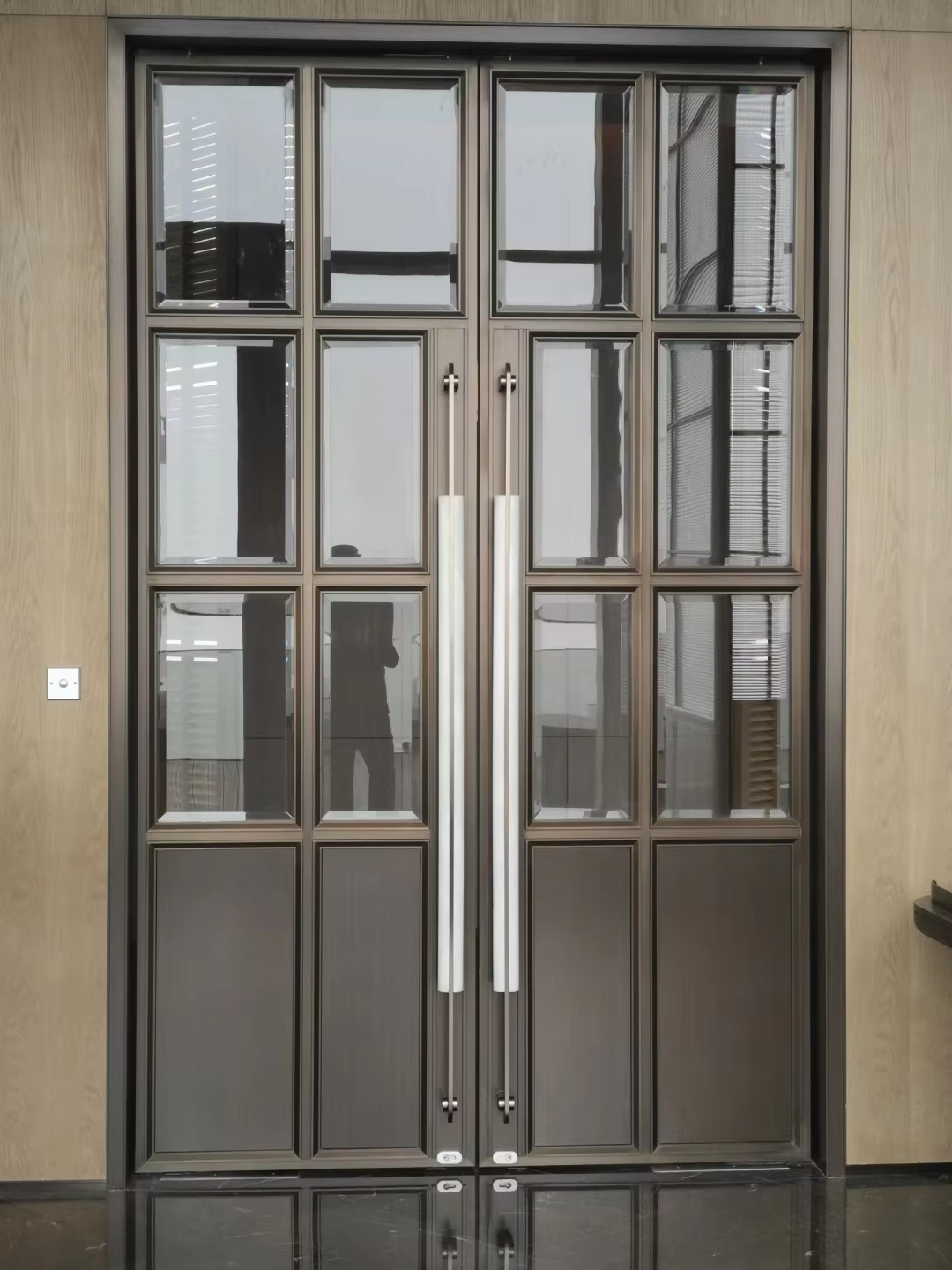
Contractors evaluating steel awning windows should judge more than appearance. Quality becomes clear through verifiable material specifications, consistent fabrication, reliable operation, and evidence that the product suits the opening and exposure. A structured review helps distinguish a durable assembly from one that merely looks well finished in a sample.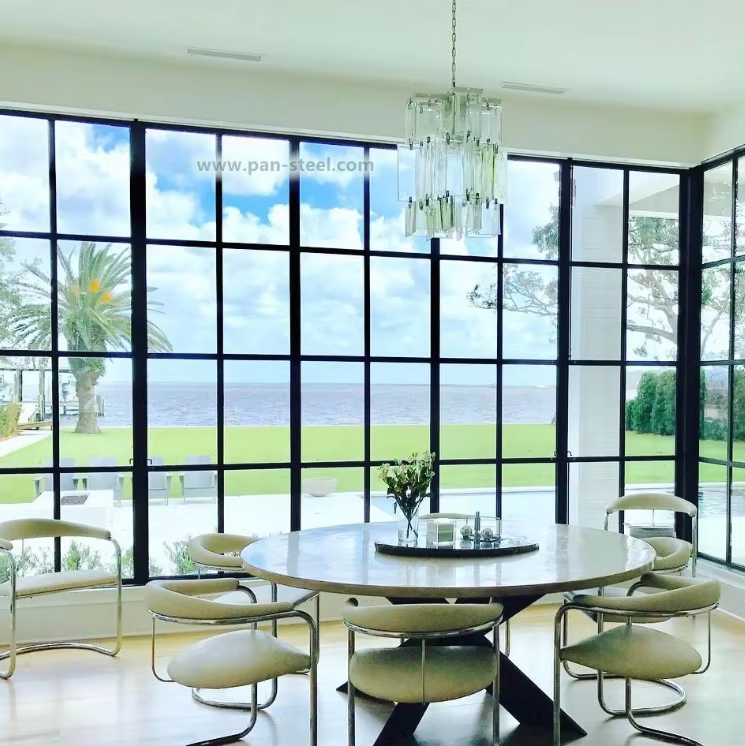
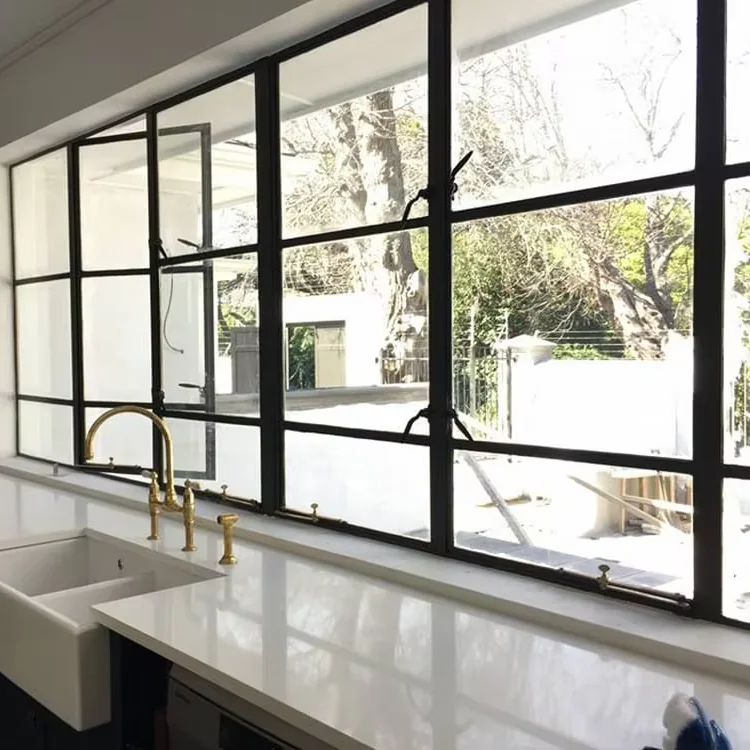
Set evaluation criteria before reviewing quotations or approving shop drawings. Connect commercial awning window installation requirements to project conditions, then inspect awning window frames and hardware as a coordinated assembly. Airflow expectations, including residential casement window ventilation needs where relevant, should also inform opening size and room planning.
Verify Materials and Fabrication Quality
Review steel specifications and construction
Ask for the steel grade, section dimensions, wall thickness, and fabrication details rather than relying on a broad description such as heavy duty. For steel awning windows, consistent profiles and well-joined corners support a stable sash and frame. Confirm that the specification matches the project documents and intended service environment. Commercial awning window installation planning should account for how the selected frame will be anchored into the actual wall assembly.
Inspect a sample or production unit for straight members, clean joints, and even gaps around the sash. Awning window frames and hardware should align without forcing, binding, or visible distortion. Check that drainage paths and seals are deliberately integrated instead of improvised at the site. When residential casement window ventilation is part of the design discussion, distinguish that airflow goal from the particular opening geometry of an awning sash.
Assess finish protection and project fit
Request details about surface preparation, coating type, and the care needed to preserve the finish. Look closely at corners, welds, edges, and concealed areas, where uneven coverage can be easier to miss. Steel awning windows should arrive with protection appropriate to handling and installation, not just an attractive exposed face. Commercial awning window installation teams can then plan storage and sequencing around the supplier's handling instructions.
Compare awning window frames and hardware dimensions with approved drawings, including frame depth, sightlines, and fixing locations. Check that the finish and steel specification suit the location's exposure and maintenance plan. If residential casement window ventilation is cited as a reference, make sure the specified opening area and operating method actually meet the room's needs. Record any discrepancy before fabrication is released.
Test Operation, Sealing, and Hardware
Operate the sash under realistic conditions
Open and close the sample through its full intended travel, observing whether movement is controlled and repeatable. Check that the sash stays in its designed position and closes without excessive force. For steel awning windows, operator alignment, hinge action, and frame squareness all affect day-to-day use. Commercial awning window installation should preserve those relationships, so clarify adjustment access and installation tolerances before work begins.
Review the hardware schedule rather than assuming that a visually similar component is equivalent. Awning window frames and hardware need to be compatible in load, fixing method, corrosion protection, and service access. Test locks and handles for positive engagement, and check that moving parts do not scrape the finish. For residential casement window ventilation, compare the required opening control with the project's safety and user-access needs.
Check weather management and maintenance access
Examine gasket continuity, corner joins, and the surfaces that meet when the sash is shut. Ask how the design directs incidental water toward drainage points and how seals can be inspected or replaced. A review of steel awning windows should establish what testing or documentation supports stated air and water performance, without treating an unverified claim as proof. Commercial awning window installation details must also connect the frame perimeter to the surrounding weather barrier.
Consider how occupants or maintenance staff will reach operators, clean glazing, and inspect moving parts after handover. Awning window frames and hardware that are accessible are easier to maintain consistently over the building's service life. A residential casement window ventilation comparison can help clarify how users expect to control airflow, but operating behavior should be checked on the actual proposed unit. Document any maintenance limitation before acceptance.
Confirm Documentation and Installation Readiness
Match submittals to the approved design
A reliable decision depends on a traceable submittal package. For steel awning windows, compare dimensions, glass provisions, finish, hardware, and opening direction against the approved schedule. Request installation instructions, care information, and applicable test reports tied to the specific configuration. Commercial awning window installation can proceed more smoothly when the contractor, designer, and fabricator are working from the same revision.
Resolve differences between drawings and product data before ordering. Awning window frames and hardware may vary by size or handing, so verify every opening rather than treating one typical detail as universal. Confirm anchorage requirements, tolerances, and any interface with insulation or cladding. Where residential casement window ventilation is a stated design objective, retain the relevant opening and control criteria in the review record.
Use a practical acceptance process
Create a consistent inspection record covering the received unit, visible finish, dimensions, operation, and supplied documents. Photograph damage or variation promptly and agree how it will be resolved before installation. This approach gives steel awning windows a clear acceptance standard while helping avoid disputes based on subjective impressions. Commercial awning window installation should not conceal an unresolved defect behind trim or sealant.
Before sign-off, confirm that the installed unit operates as intended, fixings follow the approved detail, and perimeter connections are complete. Keep warranty conditions and maintenance guidance with the project handover documents. Reviewing awning window frames and hardware at both submittal and site stages helps catch issues while correction is still practical. If residential casement window ventilation influenced the design, verify that occupants can achieve the intended airflow in normal use.
FAQ
What should contractors inspect first?
Start with the specification and approved drawings, then compare the delivered frame, finish, and hardware with them. For steel awning windows, a documented match is more useful than appearance alone. Confirm commercial awning window installation requirements before accepting units for site work.
How can hardware quality be assessed?
Operate the sash, locks, and handles through their full range and look for smooth, repeatable movement. Check that awning window frames and hardware are compatible and accessible for service. Relate residential casement window ventilation expectations to actual sash control, not a generic product description.
Which records support final approval?
Keep approved product data, drawings, installation instructions, relevant test records, and inspection notes together. These records help confirm that steel awning windows match the specified configuration. Commercial awning window installation sign-off should also record any adjustments and the final operating check.