 EN
EN

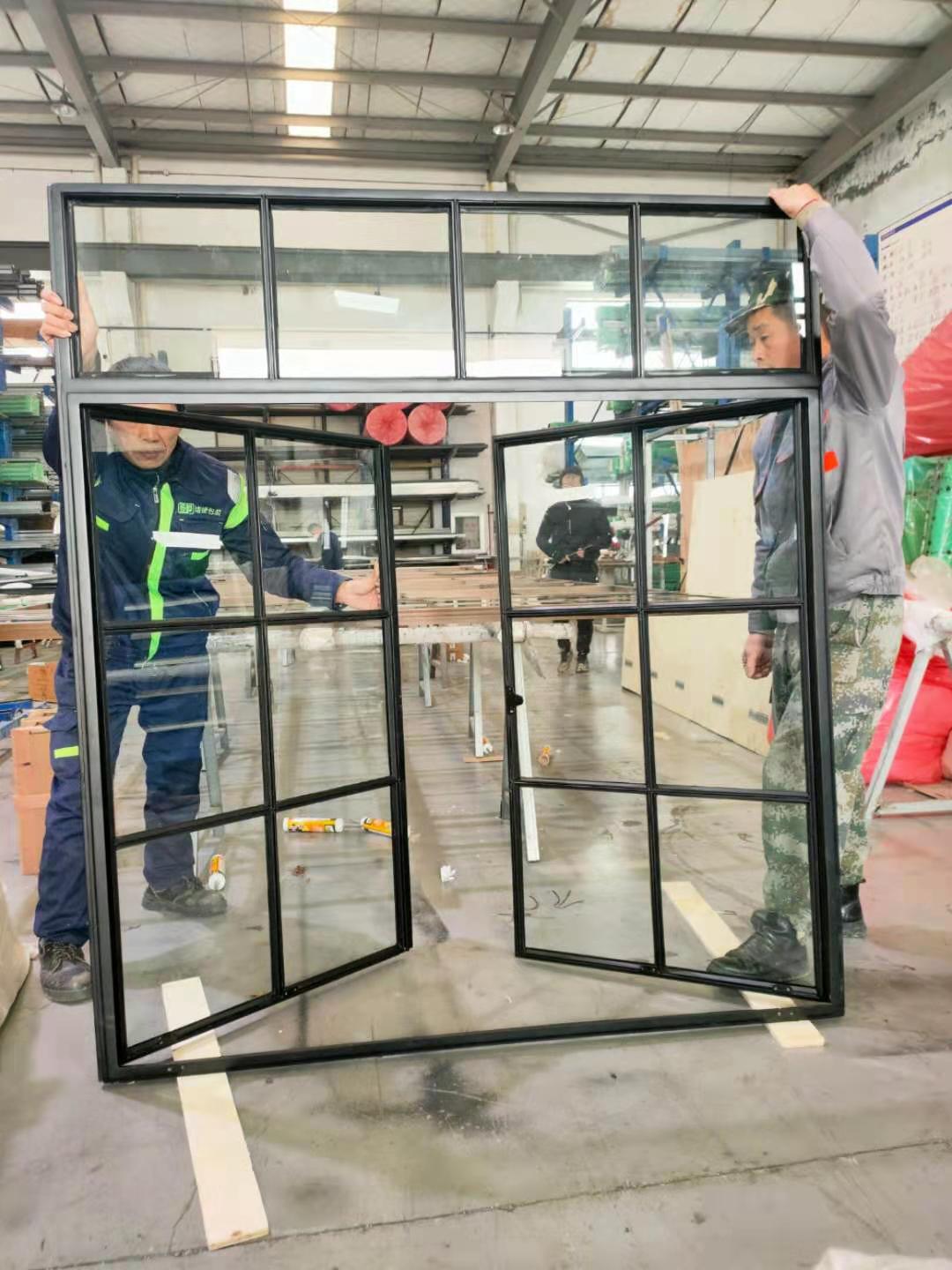
Selecting the right steel fixed windows for your contemporary residential or commercial project is a critical decision that affects both aesthetic appeal and long-term building performance. Steel fixed windows have become increasingly popular among architects and builders because they combine sleek modern design with exceptional structural integrity and thermal efficiency. Unlike traditional materials, steel fixed windows offer superior strength-to-weight ratios, allowing designers to create expansive glazed facades with minimal visual obstruction. This guide explores the essential factors you must consider when choosing steel fixed windows to ensure your project meets both design intent and functional requirements.
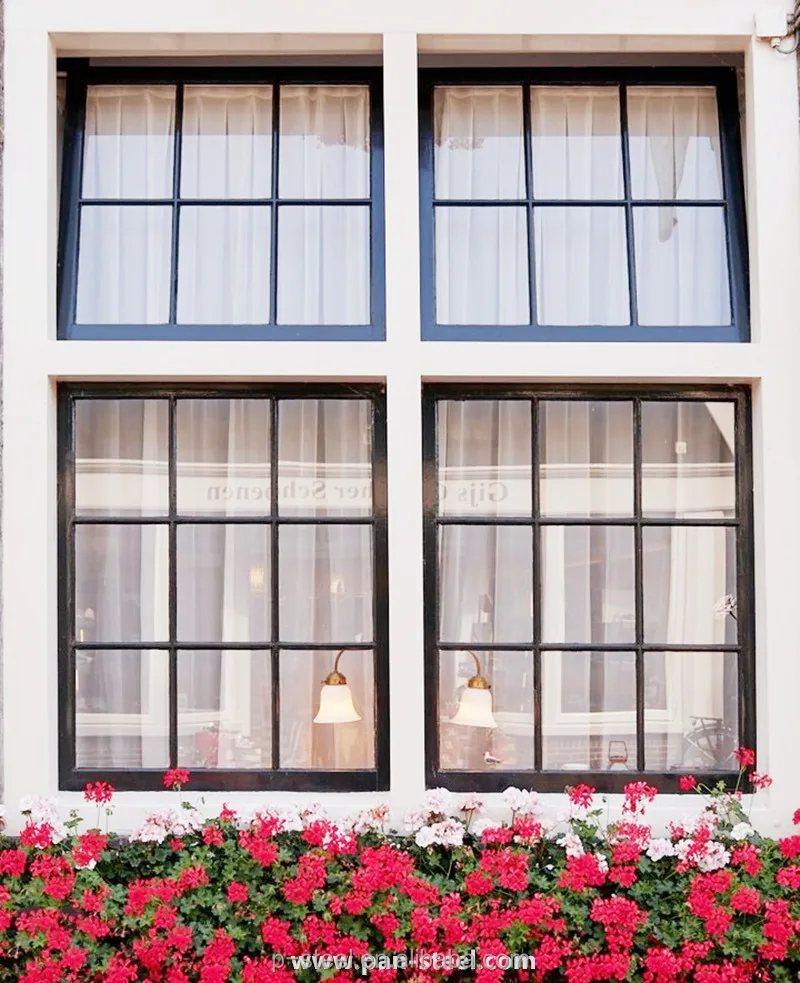
Steel fixed windows represent a significant investment in any building project, so understanding the technical specifications, environmental conditions, and aesthetic considerations upfront prevents costly mistakes and ensures optimal performance throughout the building's lifecycle. Whether you are designing a high-rise office tower, a boutique residential complex, or a retail facility, the methodology for selecting appropriate steel fixed windows remains consistent. This article provides a structured approach to evaluating steel fixed windows across multiple dimensions, from material composition and thermal performance to installation logistics and long-term maintenance requirements.
Understanding Steel Fixed Window Specifications and Design Characteristics
Material Composition and Frame Construction
Steel fixed windows are engineered from either hot-rolled or cold-formed steel profiles, each offering distinct advantages for contemporary projects. The frame thickness and profile depth of steel fixed windows determine their structural capacity, thermal bridging characteristics, and visual appearance. Contemporary steel fixed windows typically feature narrow sight lines, which means the visible frame width between the glass and building facade is minimized, creating the clean architectural aesthetic demanded by modern design standards. Cold-formed steel allows manufacturers to create thinner, lighter frames while maintaining strength, making steel fixed windows ideal for projects where weight reduction or visual refinement is prioritized.
The welding quality and corner reinforcement in steel fixed windows directly impact durability and long-term performance. Premium steel fixed windows incorporate fully welded frames with reinforced corner joints to prevent deflection and ensure the glazing unit remains properly sealed across thermal cycles. Understanding the gauge of the steel and any applied coatings on your steel fixed windows ensures they will resist corrosion in your specific climate zone. Specifiers should request mechanical test data and third-party certifications for steel fixed windows to validate structural performance claims.
Glazing Options and Thermal Performance
The glazing specification dramatically influences the thermal and acoustic performance of steel fixed windows in your building. Double-glazed and triple-glazed configurations are the industry standard for steel fixed windows in contemporary projects, with the air gap between panes and low-emissivity coatings controlling heat transfer. For steel fixed windows in residential applications, double-glazed units with argon gas fill typically deliver u-values between 0.25 and 0.30 w/m²k, meeting most contemporary energy codes. Commercial applications may require triple-glazed steel fixed windows or specialized coatings to achieve superior thermal resistance in demanding climates.
The spacer material between glass panes in steel fixed windows affects both thermal bridging and interior condensation risk. Warm-edge spacers reduce thermal bridging at the glazing perimeter, improving overall energy performance of your steel fixed windows. When selecting glazing specifications for steel fixed windows, verify that the proposed configuration aligns with your local building codes, energy efficiency standards, and climate classification. Laboratory test reports should accompany all steel fixed windows to document actual thermal and acoustic performance.
Environmental Factors and Installation Considerations for Steel Fixed Windows
Climate Adaptation and Weather Resistance
Steel fixed windows must be specified with explicit consideration of your project's climate zone, exposure level, and environmental stressors. In coastal regions, stainless steel or heavily galvanized steel fixed windows prevent rust and corrosion from salt air exposure. Inland and temperate zones may allow standard painted steel fixed windows with appropriate surface preparation and protective coating systems. High-altitude projects with intense solar radiation require steel fixed windows with thermal breaks to minimize expansion and contraction stresses that degrade seals over time.
The installation environment significantly affects the long-term performance of steel fixed windows. Proper installation requires compliance with manufacturer specifications regarding flashing, sealant selection, and structural support. Inadequately installed steel fixed windows allow water infiltration and thermal bypass, undermining the energy performance and durability benefits the material provides. Your project specifications should clearly document acceptable installation methods and require third-party inspection of steel fixed windows prior to closure of wall systems.
Water Management and Drainage Design
Steel fixed windows incorporate specialized drainage paths and weep systems to manage water ingress and prevent interior moisture damage. The frame design of steel fixed windows must include adequate slope and drainage outlets to direct incidental water back to the exterior. Poor drainage design in steel fixed windows creates maintenance issues and potential structural deterioration. Contemporary steel fixed windows feature integrated condensation channels and pressure-equalized chambers that manage both bulk water and vapor transmission.
Specifying the correct sealant and gasket materials for steel fixed windows ensures water-tight performance across seasonal temperature variations. Silicone and polyurethane sealants respond differently to ultraviolet exposure and thermal cycling, so selection must match your climate and maintenance capability. Designers should require mock-ups and water-tightness testing of steel fixed windows before full-scale installation. Regular maintenance of sealants and gaskets on steel fixed windows extends service life and prevents costly water damage to surrounding building envelope components.
Aesthetic and Functional Decision-Making for Steel Fixed Windows
Design Expression and Architectural Vision
Steel fixed windows enable architectural expressions ranging from minimalist industrial aesthetics to refined contemporary sophistication. The slender profiles available in modern steel fixed windows allow glazing areas to dominate facade surfaces, maximizing daylight penetration and visual connection to exterior views. Custom frame colors, finishes, and muntin patterns applied to steel fixed windows provide virtually unlimited design flexibility compared to conventional materials. For historic restoration projects, steel fixed windows can replicate traditional divided-light patterns while delivering contemporary thermal and acoustic performance.
The visual impact of your steel fixed windows extends beyond individual units to the cumulative effect across building facades. Large uninterrupted fields of steel fixed windows create dramatic contemporary presence, while punctuated patterns establish rhythm and proportion. Specifying consistent sight-line dimensions across multiple steel fixed windows ensures the facade reads as intentional design rather than random variation. Material finishes on steel fixed windows, whether powder-coated, anodized, or naturally weathering, communicate aesthetic intent and establish tonal relationships with surrounding facade materials.
Functional Requirements and Building Performance
Steel fixed windows cannot be opened, so specifying operating windows at appropriate locations ensures adequate ventilation and emergency egress compliance. Building codes mandate operable window percentages in occupied spaces, requiring careful coordination between fixed and operable unit placement in your design. Steel fixed windows are ideal for locations where security, solar gain control, or maintenance access constraints preclude operable units. Commercial applications frequently employ steel fixed windows on upper facade levels where manual operation is impractical or undesirable.
The maintenance accessibility of your steel fixed windows influences long-term building operating costs and occupant experience. Interior-accessible steel fixed windows simplify glass cleaning and resealing tasks, extending service intervals for maintenance teams. Steel fixed windows specified with removable glazing units facilitate future glass replacement without frame removal, reducing lifecycle costs. Designers should document maintenance access requirements in project specifications to ensure facility managers can properly care for steel fixed windows throughout the building's operational life.
FAQ
What performance standards should steel fixed windows meet?
Steel fixed windows should comply with ASTM E330 for structural performance under wind load, ASTM E331 for water penetration resistance, and appropriate energy performance ratings for your climate zone. Thermal performance should be verified through NFRC or equivalent certification, and acoustic performance should be tested if the project is located near noise sources. Third-party testing and independent certifications provide assurance that your steel fixed windows deliver specified performance across all critical parameters.
How do I ensure proper installation of steel fixed windows?
Engage an experienced installer who understands flashing, sealant, and structural integration requirements specific to steel fixed windows. Factory-applied perimeter seals on steel fixed windows should never be fully removed or breached during field installation. Install proper backing rods and control joints around steel fixed windows to accommodate building movement and thermal expansion. Perform air leakage testing and water infiltration testing on installed steel fixed windows before final facade closure and inspection sign-off.
What maintenance does steel fixed windows require?
Regular inspection of sealants and gaskets on steel fixed windows prevents water infiltration and maintains thermal performance. Clean steel fixed windows quarterly to remove debris and biological growth that can damage coatings. Repaint or refinish steel fixed windows every ten to fifteen years depending on climate exposure and original coating system. Review manufacturer maintenance documentation and establish predictable maintenance schedules to protect your investment in steel fixed windows throughout their service life.