 EN
EN
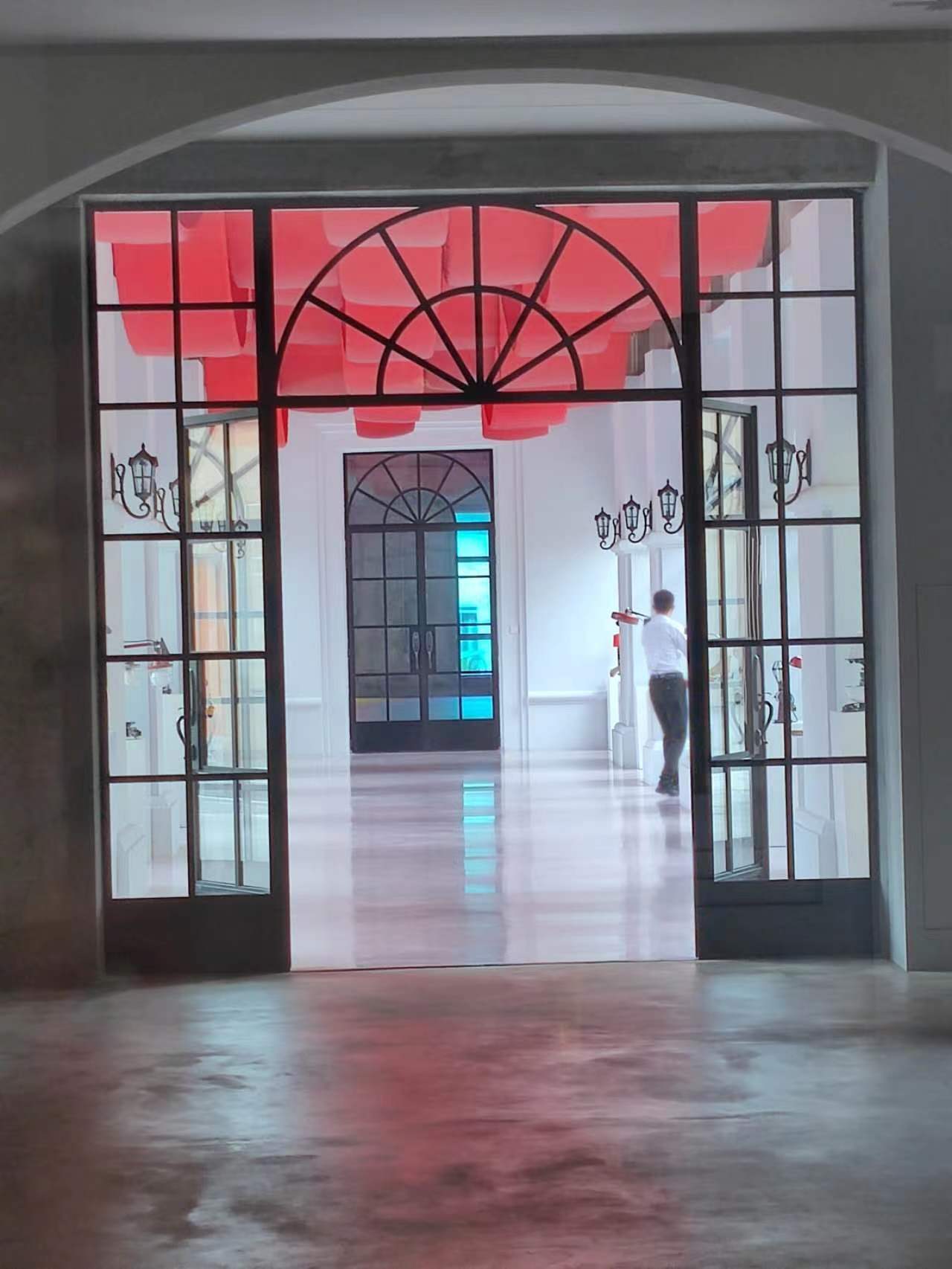
Steel fixed window applications have become increasingly popular in contemporary architecture, offering designers and homeowners a sophisticated way to maximize natural light while maintaining structural integrity. The versatility of steel fixed window applications extends across both residential and commercial properties, providing aesthetic appeal combined with practical performance benefits. Understanding how steel fixed window applications function within modern design contexts helps professionals and property owners make informed decisions about fenestration strategies.
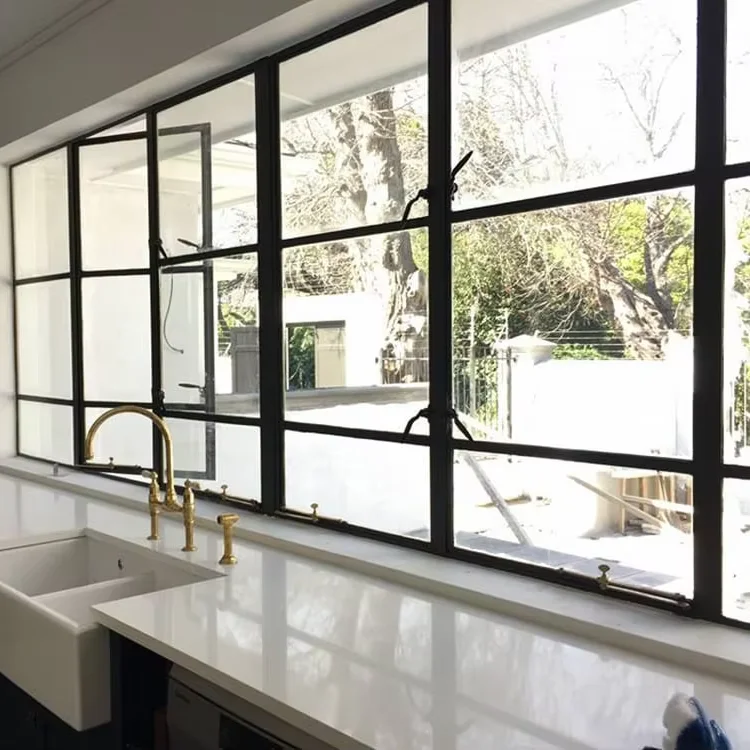
The implementation of steel fixed window applications represents a deliberate shift toward minimalist architectural expression and enhanced visual connectivity. Steel fixed window applications enable designers to create expansive glass areas without the mechanical complexity of operable sashes, delivering cleaner sight lines and superior structural performance. These applications support both energy efficiency and contemporary design language, making steel fixed window applications an ideal choice for projects prioritizing form and function equally.
Aesthetic and Structural Benefits of Steel Fixed Window Applications
Visual Continuity and Design Expression
Steel fixed window applications excel at creating visual continuity between interior and exterior spaces through their characteristically thin frames and expansive glazing areas. The slender steel profiles used in steel fixed window applications minimize visual obstruction, allowing uninterrupted views and maximizing daylight penetration. This design characteristic makes steel fixed window applications particularly valuable in residential settings where connection to outdoor environments enhances perceived space and quality of life. The refined aesthetic of steel fixed window applications aligns perfectly with contemporary minimalist and industrial design movements.
Structural Integrity and Performance
Steel fixed window applications provide exceptional structural support for large glazing panels without requiring bulky frames or external bracing elements. The inherent strength of steel allows steel fixed window applications to support expansive glass areas safely while maintaining thermal performance through modern thermally broken design. This structural advantage translates directly into superior wind resistance and load-bearing capacity, making steel fixed window applications suitable for high-rise applications and challenging environmental conditions. Commercial properties particularly benefit from the durability characteristics embedded in steel fixed window applications.
Commercial Implementation of Steel Fixed Window Applications
Office and Retail Environments
Steel fixed window applications transform commercial spaces by creating sophisticated facades that communicate architectural intent and organizational values. Office buildings incorporating steel fixed window applications benefit from improved employee well-being through enhanced natural light access and biophilic design principles. Retail environments implementing steel fixed window applications project premium positioning through refined fenestration design and refined material expression. The professional appearance generated by steel fixed window applications makes commercial properties more attractive to tenants and enhances overall asset value for developers and property owners.
Hospitality and Institutional Applications
Hotels, resorts, and institutional buildings leverage steel fixed window applications to create dramatic visual statements while maintaining operational efficiency. Steel fixed window applications in hospitality settings enhance guest experience by providing superior views and abundant natural light without compromising privacy control through complementary systems. Educational and cultural institutions utilize steel fixed window applications to express architectural authority and create inspiring interior environments. The flexibility of steel fixed window applications accommodates various building facades and supports diverse design narratives across hospitality and institutional sectors.
Residential Design Integration with Steel Fixed Window Applications
Architectural Style Expression
Residential properties implementing steel fixed window applications range from contemporary lofts to renovated historic spaces, demonstrating the adaptability of steel fixed window applications across stylistic contexts. Modern residential architecture frequently incorporates steel fixed window applications as focal points, defining interior spatial hierarchies and exterior visual composition. Steel fixed window applications support various architectural movements including industrial revival, Scandinavian minimalism, and brutalist expression. Homeowners selecting steel fixed window applications communicate design sophistication and commitment to quality materials and craftsmanship.
Environmental Performance and Efficiency
Modern steel fixed window applications incorporate thermally broken frames that separate interior and exterior metal surfaces, significantly improving thermal resistance while maintaining structural integrity. Steel fixed window applications with low-emissivity glass coatings and insulating spacers deliver energy performance comparable to conventional window systems while providing superior aesthetic refinement. The fixed configuration of steel fixed window applications eliminates air infiltration pathways associated with operable sash systems, enhancing building envelope performance. Residential applications benefit from improved heating and cooling efficiency when steel fixed window applications are properly specified with complementary glazing and installation techniques.
Design Considerations for Successful Steel Fixed Window Applications
Thermal Performance and Climate Adaptation
Designers must carefully evaluate climate conditions when specifying steel fixed window applications to ensure alignment with energy performance goals and occupant comfort requirements. Steel fixed window applications in extreme climates require enhanced thermal breaks and specialized glazing configurations to manage solar gain and thermal loss effectively. The passive solar characteristics of steel fixed window applications can be deliberately leveraged in appropriate climates to reduce heating loads while minimizing cooling demands. Proper glazing selection and orientation strategy make steel fixed window applications viable in diverse geographic locations and climate zones.
Operational Requirements and Maintenance Strategy
Since steel fixed window applications lack operable mechanisms, maintenance strategies focus on glass cleaning, frame protection, and sealant durability rather than mechanical system service. Property managers benefit from simplified maintenance protocols associated with steel fixed window applications compared to complex operable window systems. Steel fixed window applications require appropriate exterior access provisions for regular cleaning and inspection, influencing building design and maintenance planning. Long-term performance of steel fixed window applications depends on quality installation, appropriate material selection, and proactive maintenance scheduling.
FAQ
What are the primary advantages of choosing steel fixed window applications for commercial properties?
Steel fixed window applications offer commercial properties superior aesthetics, structural performance, and design flexibility that enhance property value and tenant appeal. The refined appearance of steel fixed window applications projects professional positioning while delivering measurable energy efficiency improvements and simplified maintenance compared to conventional systems. Commercial buildings featuring steel fixed window applications achieve distinctive market differentiation and support premium rental positioning.
Can steel fixed window applications be integrated with steel fixed window applications that include operable ventilation components?
Many designers combine steel fixed window applications with strategically positioned operable windows or complementary ventilation systems to provide flexibility while maintaining the visual benefits of expansive fixed glazing. Steel fixed window applications can be configured within larger fenestration systems that incorporate awning windows, casements, or glass louvers for ventilation control. This hybrid approach preserves the aesthetic and performance benefits of steel fixed window applications while addressing specific functional requirements.
How do thermal performance characteristics of steel fixed window applications compare to traditional operable window systems?
Modern steel fixed window applications with thermally broken frames and high-performance glazing often exceed the thermal resistance of conventional operable systems by eliminating infiltration pathways and supporting advanced glass technologies. Steel fixed window applications eliminate air leakage associated with operable sashes while accommodating larger glass areas that can be precisely specified for climate-appropriate performance. The fixed configuration of steel fixed window applications enables superior control over thermal characteristics through deliberate material and glazing selection.
Table of Contents
- Aesthetic and Structural Benefits of Steel Fixed Window Applications
- Commercial Implementation of Steel Fixed Window Applications
- Residential Design Integration with Steel Fixed Window Applications
- Design Considerations for Successful Steel Fixed Window Applications
-
FAQ
- What are the primary advantages of choosing steel fixed window applications for commercial properties?
- Can steel fixed window applications be integrated with steel fixed window applications that include operable ventilation components?
- How do thermal performance characteristics of steel fixed window applications compare to traditional operable window systems?