 EN

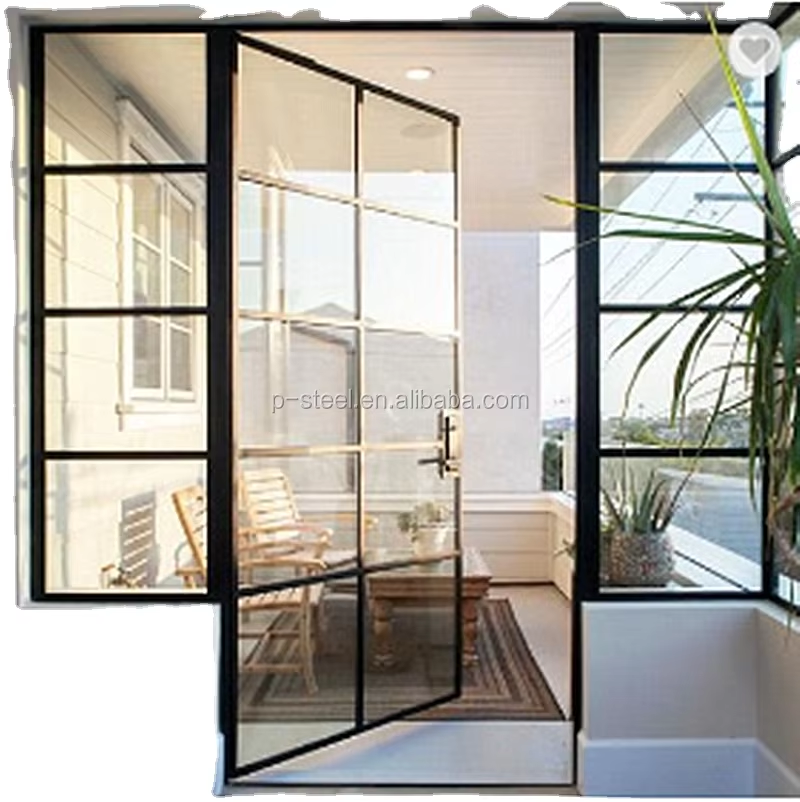
Choosing Window and Door Manufacturers in China for a 2026 project is not simply a matter of comparing catalogues. Buyers need to confirm product suitability, production capability, documentation, and the division of responsibility between manufacturing and installation. A useful shortlist begins with evidence that a manufacturer can meet the project’s actual requirements, not with an unsupported ranking.
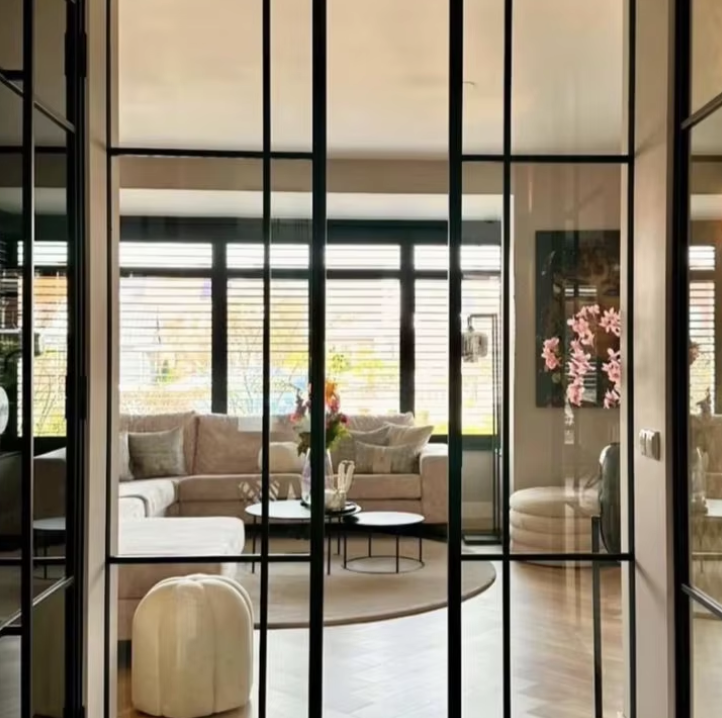
This 2026 guide explains how to assess ten practical areas when reviewing potential manufacturers, while avoiding claims that one universal top ten applies to every buyer. Project teams can use Window and Door Manufacturers as a starting point for evaluating the market, then verify each candidate against drawings, performance needs, and delivery scope. The right choice depends on the building, specification, and project responsibilities.
How to qualify manufacturers for a 2026 shortlist
Match the factory scope to the project
Start by defining whether the project requires standard units, made-to-measure openings, or a coordinated building envelope package. Ask for examples of comparable work and confirm which processes happen in-house, such as profile fabrication, glazing, finishing, and assembly. Strong custom window and door design services should turn approved drawings into production information, while documenting assumptions about tolerances, hardware, and interfaces.
Review the proposed energy efficient window and door materials against climate exposure, building use, and maintenance expectations rather than relying on broad labels. Request specifications for frames, glazing, seals, and finishes, and check that the proposed combination fits the opening details. If the project includes field work, clarify whether residential and commercial door installation is included, separately contracted, or outside the manufacturer’s scope.
Check engineering and communication practices
A credible supplier discussion should identify who reviews drawings, resolves conflicts, and approves revisions before production. Ask how custom window and door design services handle unusual dimensions, corner conditions, drainage, and hardware clearances. A manufacturer that records decisions in controlled drawings can reduce confusion between procurement, construction, and fabrication teams.
Request evidence that energy efficient window and door materials are specified consistently across drawings and product schedules. Clarify the intended glass build-up, frame configuration, weather seals, and performance documentation; do not assume a component description alone proves whole-unit performance. Also establish how residential and commercial door installation coordinates with site measurements, access conditions, and other trades if installation is part of the contract.
How to compare product and delivery capability
Verify materials, testing, and project fit
The next assessment is whether the offered system fits the building’s use and exposure. Compare energy efficient window and door materials by examining their documented properties, compatibility, finish options, and care requirements. Ask for applicable test reports or certifications and confirm that the tested configuration matches the proposed product; a report for a different size or assembly may not answer the project’s question.
For bespoke openings, review how custom window and door design services manage dimensions from survey through shop drawings and final approval. Confirm who owns the site measurements and how changes are handled after sign-off. This matters in renovations, hotels, and mixed-use developments, where existing conditions may differ from design assumptions and a late adjustment can affect adjoining finishes.
Assess the delivery plan alongside product details. Ask how packaging, labeling, shipment documentation, and damage reporting will work, and identify the person responsible for resolving discrepancies. Energy efficient window and door materials should be protected in transit according to their surface and component requirements, while the delivery sequence should match the site’s storage capacity and installation schedule.
Confirm customization and production controls
A polished sample is useful, but it does not replace an agreed specification. Have the manufacturer confirm profile dimensions, glass details, color references, hardware, opening direction, and tolerances in writing. Custom window and door design services are most useful when revisions are traceable and production begins only against approved information, with a clear process for recording deviations.
Discuss quality checkpoints at the stages relevant to the order, including incoming components, fabrication, assembly, and pre-shipment review. Buyers should decide what records they need and whether inspections are required before shipment. When energy efficient window and door materials are specified, confirm that substitutions cannot be made without approval, since a change may affect the tested assembly or its intended use.
Commercial schedules also depend on coordination rather than factory capacity alone. Ask for realistic production milestones, approval deadlines, and a named contact for technical questions. If residential and commercial door installation is included, confirm the handover point, site readiness requirements, installation method, and how completion will be documented. These details help distinguish a product quotation from a workable project scope.
How to protect project outcomes after selection
Set clear installation and handover boundaries
Before placing an order, map the responsibilities of the designer, manufacturer, installer, and general contractor. For residential and commercial door installation, the agreement should clarify who verifies openings, supplies lifting equipment, protects finished surfaces, and addresses site damage. If installation is not included, obtain the information local teams need to install the units without guessing about anchors, clearances, or sequencing.
A proper handover also covers adjustment, operation, cleaning, and maintenance guidance. Confirm what inspection records and product documents will be supplied, and establish a route for reporting defects or missing components. Custom window and door design services should leave the project team with final approved drawings and enough product information to support future repairs or replacement decisions.
Build a defensible shortlist rather than a false ranking
A ten-candidate review is valuable only when every candidate is assessed against the same project brief. Score evidence consistently across design coordination, materials, testing, production controls, communication, delivery, and installation scope. Do not treat polished marketing, a low initial price, or an impressive sample as proof that the full order will meet the specification.
The best-fit choice may differ between a hotel renovation, a new commercial building, and a residential development. For each candidate, record unresolved questions and request written answers before comparing final proposals. Verify energy efficient window and door materials against project requirements, and check that any claimed performance relates to the supplied assembly rather than a broad product family.
Use the same discipline when reviewing custom window and door design services and residential and commercial door installation. A manufacturer may be well suited to fabrication yet not offer site installation, while another project may require only documented products for a local contractor to fit. Define the boundary before award so that omitted work does not appear later as an unexpected cost or schedule risk.
FAQ
How should buyers interpret a top ten manufacturer search?
Treat it as a prompt to create a qualified shortlist, not proof of a universal ranking. Compare documented project fit, production scope, and communication against your own requirements. Custom window and door design services are one useful capability to verify, but they do not replace checks on materials, delivery, and installation responsibility.
What documents should be requested before ordering?
Request approved drawings, product and material specifications, relevant test documentation, finish details, and a written scope of supply. Confirm that energy efficient window and door materials match the proposed assembly and that any testing evidence applies to that configuration. Agree on revision control and approval responsibilities before production starts.
Does a manufacturer automatically provide installation?
No. Manufacturing and site work can be separate services, so confirm the contract boundary explicitly. If residential and commercial door installation is included, establish measurement, site access, equipment, workmanship, and handover responsibilities. If it is excluded, give the installation team approved drawings and product guidance before work begins.