 EN

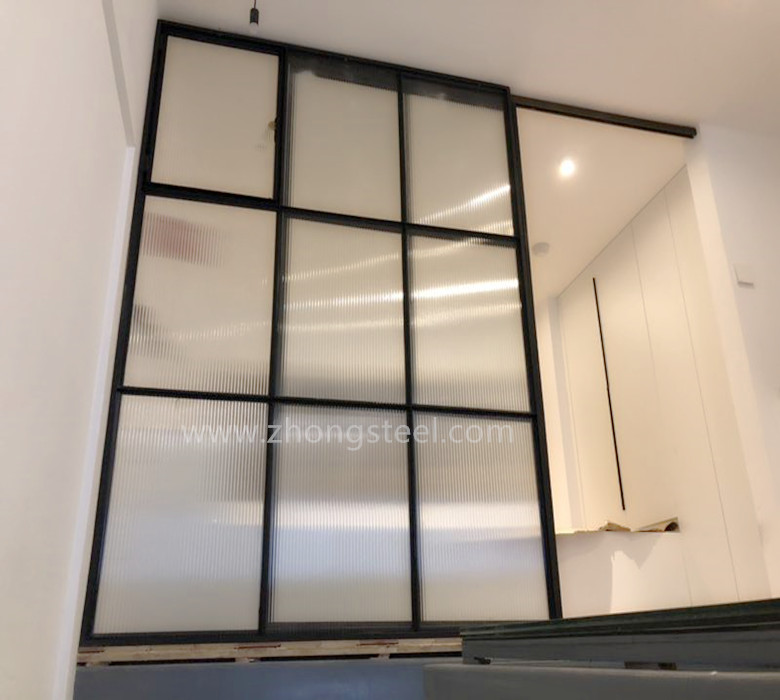
Steel fixed windows are suitable for modern projects where daylight, clear sightlines, and a durable architectural frame matter more than opening ventilation. Their fixed glazing can serve offices, schools, public buildings, and selected industrial spaces, provided the design addresses access, energy performance, safety, and maintenance. The right application depends on the room’s use and the building envelope, not appearance alone. Early planning for commercial steel window frames helps coordinate the window with structure and facade detailing.
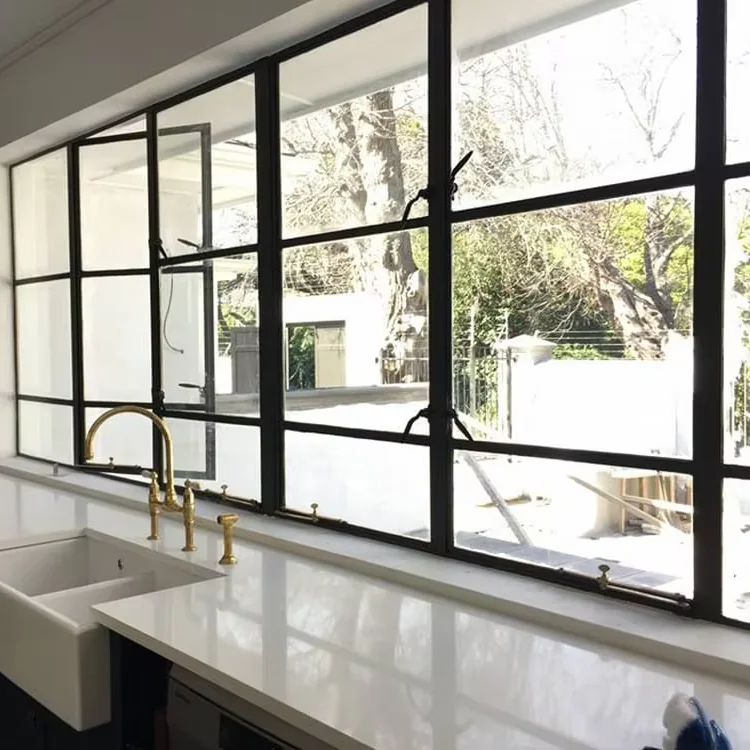
Because a fixed unit does not open, it is most appropriate where another system provides required fresh air and safe access for cleaning. Good steel fixed window installation planning confirms those provisions before dimensions are finalized. In industrial settings, industrial fixed windows can bring daylight into areas that need robust glazing but do not require an operable sash. The sections below explain where these windows fit, what limits their use, and how teams can make a sound project decision.
Applications Where Fixed Glazing Fits
Commercial interiors and public-facing facades
Offices, reception areas, meeting rooms, and circulation spaces often benefit from fixed glazing because occupants need daylight and views without routinely opening the window. Commercial steel window frames can support a deliberate facade rhythm, especially when openings are repeated across a large elevation. The design team should check sightlines, glare, privacy, and solar exposure alongside the frame profile. For commercial steel window frames, the most suitable locations are those where ventilation is already handled by a mechanical system or separate operable openings.
Schools, libraries, galleries, and civic buildings may also use fixed panels in areas where uninterrupted glass supports supervision or display. The steel fixed window installation should coordinate with wall construction, interior finishes, and any required fire or acoustic strategy. Commercial steel window frames are useful when a project needs consistent detailing across different room types, but each elevation still needs review for orientation and shading. Fixed glazing is not a substitute for opening windows where occupants or codes require natural ventilation.
Industrial and controlled environments
Workshops, production areas, warehouses, and laboratories can use industrial fixed windows to bring daylight into spaces where ventilation comes from dedicated equipment. Industrial fixed windows may suit high-level wall locations, where a fixed view or daylight zone is useful but frequent operation would be impractical. The designer must account for process heat, dust, impact exposure, and cleaning access. In these settings, industrial fixed windows need to be specified as part of the building envelope, not treated as a simple insert.
Industrial projects should also consider whether the glazing sits near machinery, vehicle routes, or areas with pressure and temperature changes. Steel fixed window installation details should address the substrate, perimeter sealing, drainage, and movement between frame and wall. Industrial fixed windows can work well in support rooms, circulation areas, and production spaces with controlled conditions, but the glazing build-up must match the actual risk. Commercial steel window frames may be appropriate in attached offices or visitor zones, where visual continuity with the industrial facade is a priority.
Design Conditions That Determine Suitability
Ventilation, daylight, and occupant needs
The first suitability test is whether the room can function without an opening sash. Confirm the ventilation strategy, occupancy pattern, and applicable building requirements before choosing fixed glazing. Commercial steel window frames can make daylight distribution and facade proportions easier to plan, but they do not provide fresh air by themselves. A mixed facade may combine fixed areas with operable windows where occupants need local control. This balance is often more practical than making every window operable.
Daylight quality also depends on orientation, glass selection, shading, and interior finishes. For meeting rooms or screen-heavy offices, glare control may matter more than maximizing glass area. Industrial fixed windows should be assessed for heat gain and the visual tasks performed inside the space. During steel fixed window installation planning, confirm access for internal and external cleaning, particularly for high-level panes. If safe access cannot be arranged, the selected location or panel size may need to change.
Safety, comfort, and facade performance
A fixed window still has to meet project requirements for thermal performance, weather resistance, acoustics, and occupant safety. Specify glazing according to its height, location, and exposure to impact; do not assume the frame alone determines safety. Commercial steel window frames should be reviewed with the full wall assembly so that perimeter insulation and air and water seals remain continuous. Steel fixed window installation details influence how those interfaces perform over the building’s service life.
In noisy urban sites, glazing and seals may need to support an acoustic target, while exposed elevations may call for careful wind-load and water-management review. Industrial fixed windows deserve added scrutiny where process conditions create unusual heat, vibration, or airborne contaminants. These are project-specific design checks rather than automatic reasons to reject fixed glazing. Clear coordination between the architect, facade consultant, and building services team helps align commercial steel window frames with real operating conditions.
Project Planning and Specification Decisions
Coordinate the opening before procurement
Before dimensions are released, establish the wall type, structural opening, frame position, sill condition, and required perimeter tolerances. Steel fixed window installation should be planned against these verified details, including how the unit will be supported and sealed. Resolving interfaces early reduces the risk of late changes to finishes or adjacent facade components. Commercial steel window frames should also be coordinated with adjoining doors, cladding, and interior trim so visual lines remain intentional.
The specification should state glazing performance, finish expectations, hardware needs for any adjacent operable units, and responsibilities for site measurement. Industrial fixed windows may require additional coordination with process equipment, security requirements, or washdown routines. When planning steel fixed window installation, identify lifting routes and installation access as well as the final opening. These practical checks help contractors plan sequencing and protect the units during construction.
Match the window to operations and maintenance
A suitable application is one where fixed glazing improves the space without creating an operational problem. Consider who cleans the glass, how often it may need inspection, and whether a replacement can be moved through the building. Industrial fixed windows in hard-to-reach locations require a realistic maintenance plan before approval. Commercial steel window frames in public areas should be reviewed for cleaning access and the likelihood of contact or impact.
The final decision should connect design intent to building use: fixed panels work best when daylight and views are needed but routine opening is not. A product such as steel fixed windows can be considered within that broader specification process, with attention to the project’s actual thermal and installation requirements. Commercial steel window frames, glazing, seals, and wall interfaces should be evaluated together. For industrial fixed windows, operational risks and maintenance access remain decisive considerations.
FAQ
Are fixed steel windows suitable for offices?
Yes, when ventilation is provided by mechanical systems or separate operable openings. Commercial steel window frames can suit offices that need daylight and a defined facade, while the design team checks glare, privacy, and cleaning access. Steel fixed window installation must also preserve the specified envelope performance.
Can fixed windows be used in industrial buildings?
Yes, in areas where a fixed pane meets the operational and safety requirements. Industrial fixed windows can serve workshops, warehouses, or support spaces, subject to review of impact, heat, dust, and access. Commercial steel window frames may also connect an industrial building visually to its office areas.
What should be confirmed before installation?
Confirm the opening dimensions, ventilation strategy, glazing needs, wall interfaces, and maintenance access before ordering. A coordinated steel fixed window installation reduces avoidable site conflicts. Assess industrial fixed windows against process conditions, and verify commercial steel window frames with the complete facade assembly.