 EN
EN
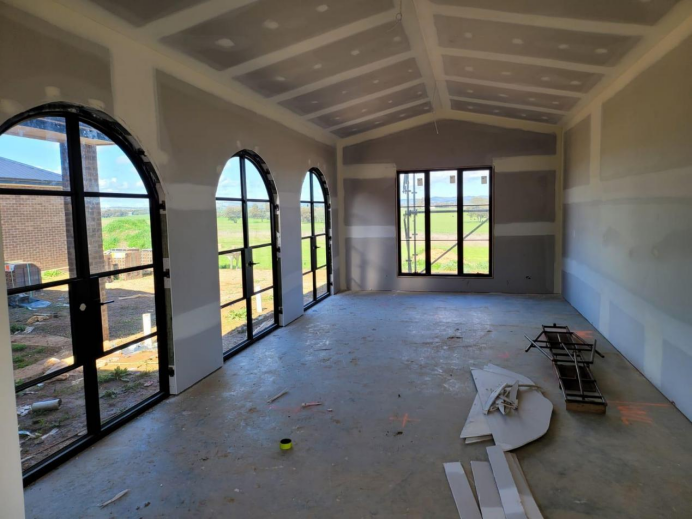
Modern architectural design increasingly demands durable and aesthetically pleasing fenestration solutions that can withstand various environmental conditions while maintaining visual appeal. Steel doors window systems have emerged as a premium choice for commercial and residential projects, offering exceptional strength, longevity, and design versatility. These robust fenestration products provide architects and builders with extensive customization options through various finishes and frame configurations that can complement any architectural style from contemporary minimalist designs to traditional industrial aesthetics.
The selection of appropriate finishes and frame options significantly impacts both the performance characteristics and visual integration of steel fenestration systems within building facades. Understanding the available choices enables design professionals to make informed decisions that balance aesthetic requirements with functional performance criteria. This comprehensive exploration examines the diverse range of surface treatments, frame profiles, and customization possibilities available in today's steel window and door market.
Surface Treatment and Finish Options
Powder Coating Applications
Powder coating represents the most popular and versatile finishing method for steel window and door frames, providing exceptional durability and color consistency across large production runs. This electrostatic application process creates a uniform, hard-wearing surface that resists chipping, scratching, and fading under prolonged exposure to ultraviolet radiation. The powder coating process begins with thorough surface preparation, including sandblasting or chemical etching to ensure optimal adhesion between the substrate and coating material.
The color palette available through powder coating systems encompasses virtually unlimited options, from standard architectural colors to custom-matched specifications that align with specific project requirements. Popular finish categories include matte, satin, semi-gloss, and high-gloss textures, each offering distinct visual characteristics and maintenance considerations. Textured powder coatings can simulate various surface effects, including wood grain patterns, stone textures, and metallic finishes that enhance the aesthetic versatility of steel fenestration products.
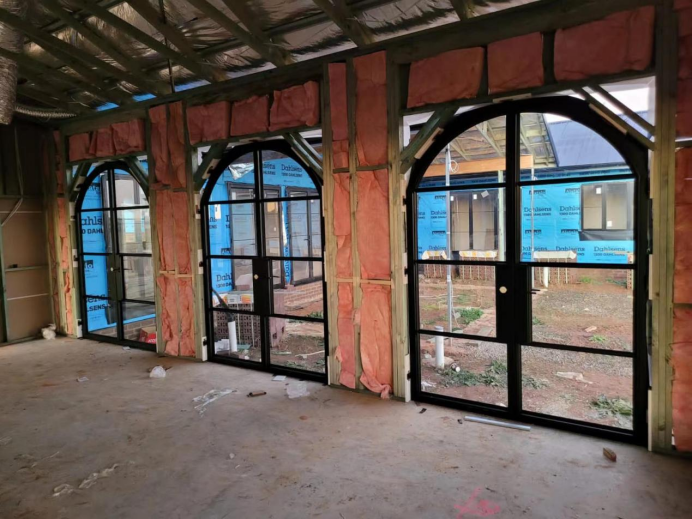
Galvanizing and Zinc Protection
Hot-dip galvanizing provides superior corrosion protection for steel window and door frames destined for harsh environmental conditions, particularly coastal locations with high salt exposure or industrial settings with chemical contaminants. The galvanizing process involves immersing fabricated steel components in molten zinc, creating a metallurgically bonded protective layer that sacrificially corrodes before the underlying steel substrate. This treatment method ensures decades of maintenance-free performance in challenging atmospheric conditions.
Zinc-rich primer systems offer an alternative corrosion protection strategy that combines ease of application with excellent protective properties. These primer formulations contain high concentrations of zinc particles that provide cathodic protection similar to hot-dip galvanizing while allowing for easier touch-up and repair procedures during installation and maintenance cycles. The zinc primer base can be overcoated with various topcoat systems to achieve desired aesthetic effects while maintaining corrosion resistance.
Frame Profile Configurations
Thermal Break Technology
Thermal break frame profiles represent a significant advancement in steel window and door design, addressing the inherent thermal conductivity challenges associated with metal fenestration systems. These specialized frame configurations incorporate polyamide or polyurethane inserts that physically separate the interior and exterior frame sections, dramatically reducing heat transfer through the frame assembly. The thermal break technology enables Steel Doors Window systems to achieve energy performance ratings comparable to aluminum and vinyl alternatives.
The integration of thermal break components requires precise engineering and manufacturing tolerances to maintain structural integrity while maximizing thermal performance benefits. Advanced thermal break systems incorporate multiple chambers and specialized gasket configurations that further enhance insulation properties and weather sealing capabilities. These frame profiles typically feature deeper sections to accommodate the thermal break inserts and provide adequate space for high-performance glazing systems.
Structural Frame Dimensions
Frame depth and width specifications significantly influence both the structural capacity and visual proportions of steel window and door installations. Standard frame profiles range from slim-line configurations measuring 50-70mm in depth for residential applications to heavy-duty commercial profiles exceeding 150mm for large-scale curtain wall installations. The selection of appropriate frame dimensions depends on span requirements, wind load calculations, and aesthetic preferences established during the design development phase.
Custom frame profiles can be engineered to meet specific project requirements, including non-standard dimensions, specialized hardware accommodations, and integrated flashing details. The manufacturing flexibility inherent in steel fabrication allows for precise customization of frame cross-sections to optimize structural performance while maintaining desired sight-line dimensions and architectural proportions.
Hardware Integration and Functionality
Operating Mechanism Options
The hardware selection for steel window and door systems encompasses a broad range of operating mechanisms designed to accommodate various functional requirements and architectural constraints. Casement windows utilizing side-hung configurations provide maximum ventilation area and excellent weather sealing performance through positive compression gasket contact. Tilt-and-turn mechanisms offer dual functionality, combining secure ventilation capabilities with full opening access for cleaning and maintenance procedures.
Fixed glazing panels represent the most economical option for areas where ventilation is not required, maximizing glazing area while minimizing frame sight-lines. These fixed assemblies can be combined with operable units to create complex fenestration compositions that balance functional requirements with cost considerations. Sliding mechanisms provide space-efficient operation in applications where swing clearances are limited, though weather sealing performance may be compromised compared to compression seal systems.
Security and Performance Features
Advanced locking mechanisms and security hardware options enhance the protective capabilities of steel fenestration systems beyond their inherent material strength advantages. Multi-point locking systems distribute engagement forces across multiple frame locations, improving both security resistance and weather sealing performance through enhanced gasket compression. These sophisticated locking mechanisms can incorporate electronic access control integration for commercial applications requiring centralized security management.
Blast-resistant and ballistic-rated hardware options are available for specialized applications requiring enhanced security performance. These systems utilize reinforced mounting points, hardened steel components, and specialized glazing retention methods to maintain fenestration integrity under extreme loading conditions while preserving normal operational functionality during routine use.
Customization and Specialty Applications
Architectural Integration Considerations
The aesthetic integration of steel window and door systems within various architectural contexts requires careful consideration of proportion, scale, and material compatibility factors. Traditional architectural styles often benefit from divided light configurations that incorporate muntin bars or grille patterns reminiscent of historical fenestration designs. These decorative elements can be applied as exterior attachments, between-glass inserts, or structural glazing dividers depending on performance requirements and maintenance preferences.
Contemporary architectural applications frequently emphasize clean lines and minimal frame visibility, driving demand for structural glazing systems and continuous ribbon window configurations. These modern approaches require sophisticated engineering solutions to maintain structural performance while achieving the desired aesthetic effects. The inherent strength characteristics of steel frames enable longer spans and reduced intermediate support requirements compared to alternative frame materials.
Environmental Performance Enhancements
Sustainable building practices increasingly influence the specification and design of fenestration systems, creating demand for environmentally responsible manufacturing processes and material selection criteria. Steel window and door frames offer excellent recyclability characteristics, with virtually 100% material recovery possible at the end of service life. The durability and longevity of properly maintained steel fenestration systems contribute to reduced lifecycle environmental impacts through decreased replacement frequency requirements.
Energy performance optimization through advanced glazing systems and frame thermal improvements enables steel fenestration products to contribute positively to building energy efficiency goals. High-performance glazing options including low-emissivity coatings, argon gas fills, and specialized interlayers can be readily accommodated within steel frame systems designed for thermal break applications. These performance enhancements support green building certification requirements while maintaining the aesthetic and durability advantages associated with steel construction.
FAQ
What maintenance requirements apply to different steel window finishes?
Maintenance requirements vary significantly based on the selected finish system, with powder-coated surfaces generally requiring only periodic cleaning with mild detergent solutions and soft cloths. Galvanized finishes may develop white rust formations that require occasional wire brushing and touch-up coating applications. Regular inspection of gaskets, hardware lubrication, and drainage system clearing should be performed annually regardless of finish type to ensure optimal long-term performance.
How do thermal break frames affect the overall cost of steel fenestration systems?
Thermal break frame configurations typically increase material and manufacturing costs by 15-25% compared to standard steel profiles due to the additional components and specialized assembly requirements. However, the energy performance improvements and reduced heating and cooling costs over the building lifecycle often justify the initial premium investment, particularly in climate zones with significant seasonal temperature variations.
Can steel window frames accommodate impact-resistant glazing systems?
Steel frame systems are particularly well-suited for impact-resistant glazing installations due to their superior structural strength and rigidity characteristics. The frame profiles can be engineered to provide adequate glazing bite and retention capabilities for laminated glass assemblies up to 25mm thickness or specialized polycarbonate glazing systems. Proper drainage design and gasket selection are critical for maintaining weather sealing performance with thicker glazing configurations.
What color matching options are available for custom steel window projects?
Custom color matching capabilities extend to virtually any specified color through powder coating applications, with manufacturers typically able to match RAL, Pantone, or architectural color standards within acceptable tolerance ranges. Sample panels should be produced and approved prior to full production to ensure color accuracy and finish quality meet project expectations. Some specialty finishes may require minimum order quantities to justify custom coating runs.
Table of Contents
- Surface Treatment and Finish Options
- Frame Profile Configurations
- Hardware Integration and Functionality
- Customization and Specialty Applications
-
FAQ
- What maintenance requirements apply to different steel window finishes?
- How do thermal break frames affect the overall cost of steel fenestration systems?
- Can steel window frames accommodate impact-resistant glazing systems?
- What color matching options are available for custom steel window projects?