 EN
EN

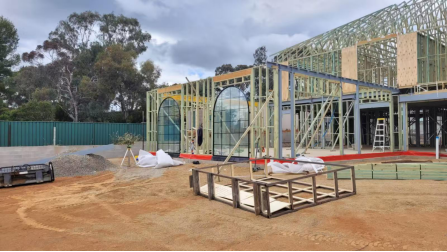
Large-scale construction projects demand materials that can withstand extreme conditions while maintaining structural integrity and aesthetic appeal. Steel doors window systems have emerged as the preferred choice for architects, engineers, and contractors working on commercial buildings, industrial facilities, and institutional structures. These robust fenestration solutions offer unparalleled durability, security, and design flexibility that traditional materials simply cannot match in demanding applications.
The construction industry has witnessed a significant shift toward steel-based fenestration systems due to their superior performance characteristics. Modern manufacturing techniques have revolutionized how steel doors window assemblies are designed, fabricated, and installed, making them more accessible and cost-effective for large-scale projects. Understanding the comprehensive advantages of these systems helps decision-makers select the most appropriate solutions for their specific structural requirements.
Structural Integrity and Load-Bearing Capabilities
Enhanced Weight Distribution
Steel doors window systems excel in managing structural loads across large building facades. The inherent strength of steel allows these assemblies to support significant dead and live loads while maintaining proper alignment and operation. This capability becomes particularly crucial in high-rise buildings where wind loads and seismic forces create substantial stress on fenestration systems. Steel frames can accommodate larger glass panels without requiring additional structural support, reducing overall construction complexity and costs.
The material properties of steel enable precise engineering calculations that ensure optimal load distribution throughout the building envelope. Unlike other materials that may experience creep or deformation over time, steel maintains its structural properties consistently, providing long-term reliability for large-scale installations. This characteristic makes steel doors window systems ideal for applications where structural performance cannot be compromised.
Resistance to Environmental Stresses
Large structures face numerous environmental challenges that can compromise traditional fenestration materials. Steel doors window assemblies demonstrate exceptional resistance to temperature fluctuations, moisture penetration, and atmospheric corrosion when properly treated and maintained. The thermal expansion coefficient of steel can be accurately predicted and accommodated in design calculations, ensuring proper fit and function throughout seasonal temperature variations.
Modern protective coatings and galvanization processes significantly enhance the corrosion resistance of steel frames, making them suitable for coastal environments, industrial settings, and areas with aggressive atmospheric conditions. This environmental durability translates to reduced maintenance requirements and extended service life compared to alternative materials that may deteriorate more rapidly under similar conditions.
Security and Safety Performance
Impact Resistance and Intrusion Prevention
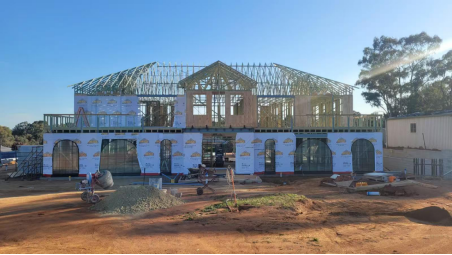
Security considerations play a vital role in large structure design, particularly for commercial, institutional, and industrial facilities. Steel doors window systems provide superior impact resistance compared to aluminum or wooden alternatives, making them ideal for applications where security is paramount. The material strength of steel frames can withstand significant force without compromising the integrity of the glazing system or allowing unauthorized access.
Specialized security glazing can be integrated with steel frames to create comprehensive protection systems that meet stringent safety standards. The robust nature of steel construction allows for the incorporation of multi-point locking mechanisms, reinforced hinges, and other security hardware that may not be feasible with lighter-weight materials. This comprehensive security approach makes steel doors window systems particularly valuable for government buildings, healthcare facilities, and educational institutions.
Fire Safety and Emergency Egress
Fire safety requirements in large structures demand materials that maintain structural integrity during emergency conditions. Steel doors window assemblies can be engineered to meet specific fire ratings while providing clear emergency egress routes. The predictable behavior of steel under high-temperature conditions allows engineers to design systems that maintain functionality during critical evacuation periods.
Advanced fire-rated steel doors window systems incorporate specialized glazing and sealing materials that prevent flame and smoke passage while maintaining visibility for emergency responders. These systems can be integrated with building fire suppression and alarm systems to provide comprehensive life safety protection throughout large structural complexes.
Design Flexibility and Aesthetic Applications
Architectural Versatility
Contemporary architectural design increasingly emphasizes large, uninterrupted glazed areas that create dramatic visual impact while maximizing natural light penetration. Steel doors window systems enable architects to achieve these design objectives through their ability to support expansive glass panels with minimal structural interference. The strength-to-weight ratio of steel allows for slender frame profiles that maximize glazed area while maintaining structural adequacy.
Custom fabrication capabilities enable steel doors window manufacturers to create unique configurations that match specific architectural requirements. Complex geometries, curved installations, and integration with other building systems can be accomplished more readily with steel frames than with many alternative materials. This design flexibility makes Steel Doors Window systems particularly attractive for signature architectural projects.
Surface Finishing Options
Modern steel doors window systems offer extensive surface finishing possibilities that accommodate diverse aesthetic requirements. Powder coating technologies provide durable, attractive finishes in virtually unlimited color options while maintaining the protective properties necessary for long-term performance. Specialized texture finishes can simulate other materials or create unique visual effects that enhance overall building design.
Advanced coating systems also enable the integration of functional properties such as self-cleaning surfaces, anti-graffiti protection, and enhanced thermal performance. These finishing options allow designers to specify steel doors window systems that not only meet structural and performance requirements but also contribute to the overall aesthetic vision of large-scale architectural projects.
Energy Efficiency and Thermal Performance
Thermal Bridge Management
Energy efficiency concerns in large structures require careful attention to thermal bridge effects that can significantly impact overall building performance. Modern steel doors window systems incorporate thermal break technologies that interrupt heat transfer paths through the frame assembly. These systems utilize specialized insulating materials and design techniques that maintain structural integrity while minimizing thermal conductivity.
Advanced thermal modeling capabilities enable engineers to optimize steel doors window designs for specific climate conditions and energy performance targets. The precision manufacturing possible with steel components ensures consistent thermal performance across large installations, contributing to predictable energy consumption and occupant comfort levels throughout the building.
Integration with Building Systems
Large structures typically incorporate sophisticated mechanical systems that require careful coordination with fenestration assemblies. Steel doors window systems can be designed to integrate seamlessly with heating, ventilation, and air conditioning systems while maintaining optimal thermal performance. Specialized mounting details and sealing systems ensure that mechanical system efficiency is not compromised by fenestration installations.
Smart building technologies can be integrated with steel doors window systems to provide automated control of natural ventilation, solar heat gain, and daylighting optimization. The robust construction of steel frames can accommodate the additional hardware and control systems necessary for these advanced building automation applications.
Cost-Effectiveness and Long-Term Value
Lifecycle Cost Analysis
Initial material costs represent only a portion of the total ownership expense for fenestration systems in large structures. Steel doors window assemblies demonstrate superior long-term value through reduced maintenance requirements, extended service life, and consistent performance over decades of operation. The durability of steel construction minimizes replacement and repair costs that can accumulate significantly with less robust materials.
Energy performance benefits of properly designed steel doors window systems contribute to ongoing operational cost savings through reduced heating and cooling expenses. The ability to incorporate high-performance glazing systems with steel frames maximizes these energy benefits while maintaining structural adequacy for large-scale installations.
Installation and Construction Efficiency
Large construction projects benefit from fenestration systems that can be installed efficiently with minimal field adjustment requirements. Steel doors window assemblies can be pre-fabricated to precise dimensions and delivered ready for installation, reducing on-site labor requirements and construction schedules. The predictable properties of steel components enable accurate manufacturing that minimizes field fitting and adjustment time.
Standardization opportunities with steel doors window systems allow for economies of scale in large projects while maintaining design flexibility where needed. This balance between standardization and customization helps optimize project costs while meeting specific performance and aesthetic requirements throughout the structure.
FAQ
How do steel doors window systems compare to aluminum alternatives in large structures?
Steel doors window systems offer superior structural strength and load-bearing capacity compared to aluminum alternatives, making them ideal for large-scale applications. While aluminum systems may have lower initial costs, steel provides better long-term durability, security performance, and resistance to environmental stresses. The choice between materials depends on specific project requirements including structural loads, security needs, and environmental conditions.
What maintenance requirements are associated with steel doors window systems?
Properly designed and finished steel doors window systems require minimal maintenance when installed in appropriate applications. Regular cleaning and inspection of sealing systems, hardware lubrication, and periodic assessment of protective coatings typically comprise the primary maintenance activities. Modern coating technologies significantly extend maintenance intervals compared to historical steel fenestration systems.
Can steel doors window systems achieve high energy efficiency ratings?
Yes, contemporary steel doors window systems can achieve excellent energy efficiency ratings through the incorporation of thermal break technologies, high-performance glazing, and optimized sealing systems. Advanced design techniques enable steel systems to meet or exceed energy code requirements while maintaining the structural advantages that make them suitable for large-scale applications.
Are there size limitations for steel doors window assemblies in large structures?
Steel doors window systems can accommodate very large openings due to the inherent strength of steel construction. Size limitations are typically determined by transportation constraints, installation logistics, and specific structural requirements rather than material capabilities. Custom fabrication enables the creation of assemblies that meet virtually any architectural requirement within practical construction parameters.
Table of Contents
- Structural Integrity and Load-Bearing Capabilities
- Security and Safety Performance
- Design Flexibility and Aesthetic Applications
- Energy Efficiency and Thermal Performance
- Cost-Effectiveness and Long-Term Value
-
FAQ
- How do steel doors window systems compare to aluminum alternatives in large structures?
- What maintenance requirements are associated with steel doors window systems?
- Can steel doors window systems achieve high energy efficiency ratings?
- Are there size limitations for steel doors window assemblies in large structures?