 EN

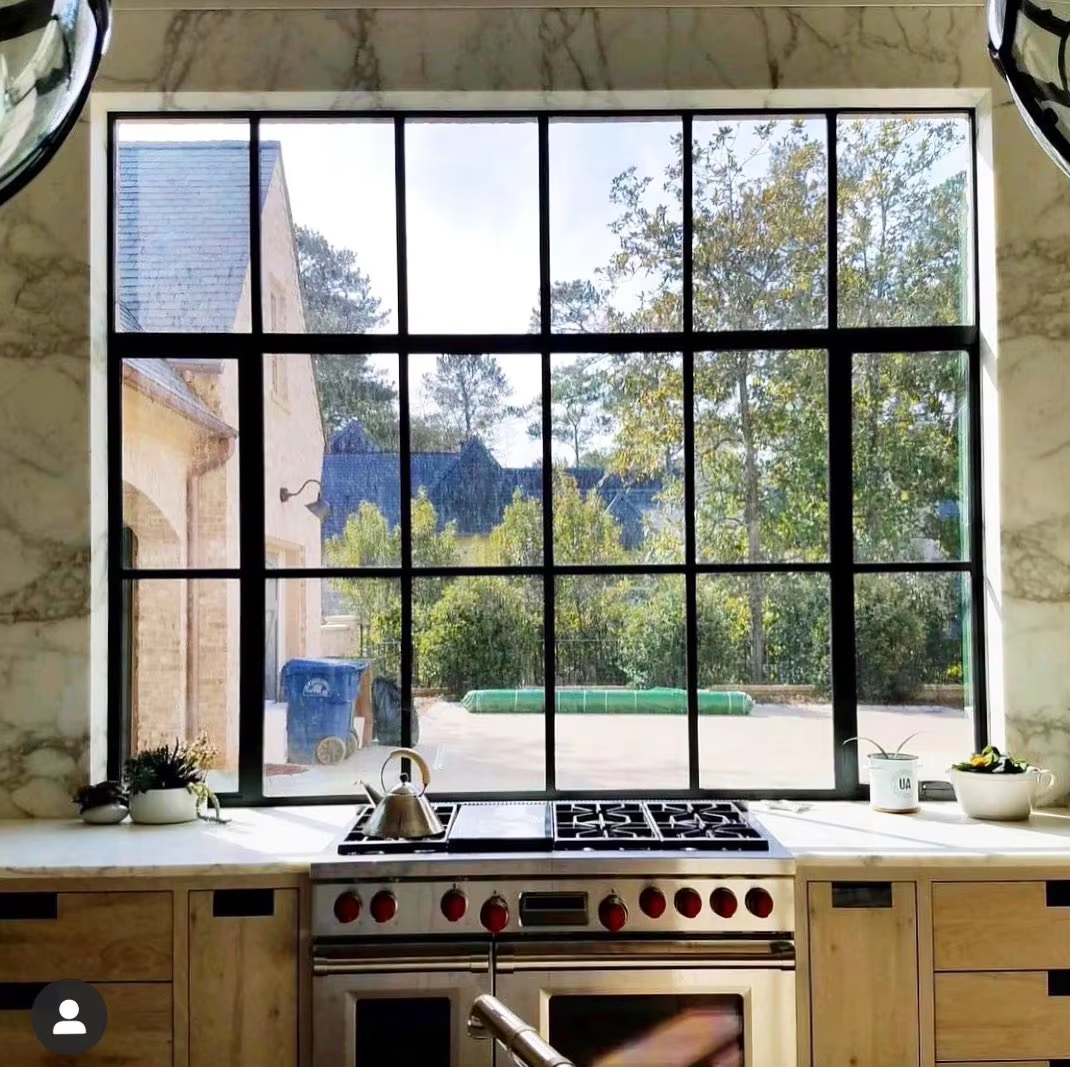
Frame finishes shape the appearance, maintenance needs, and long-term suitability of modern steel windows. Available options range from painted and powder-coated surfaces to clear protective coatings and intentionally developed patinas. The right choice depends on the project’s architecture, exposure conditions, cleaning routine, and expectations for how the frame should age.
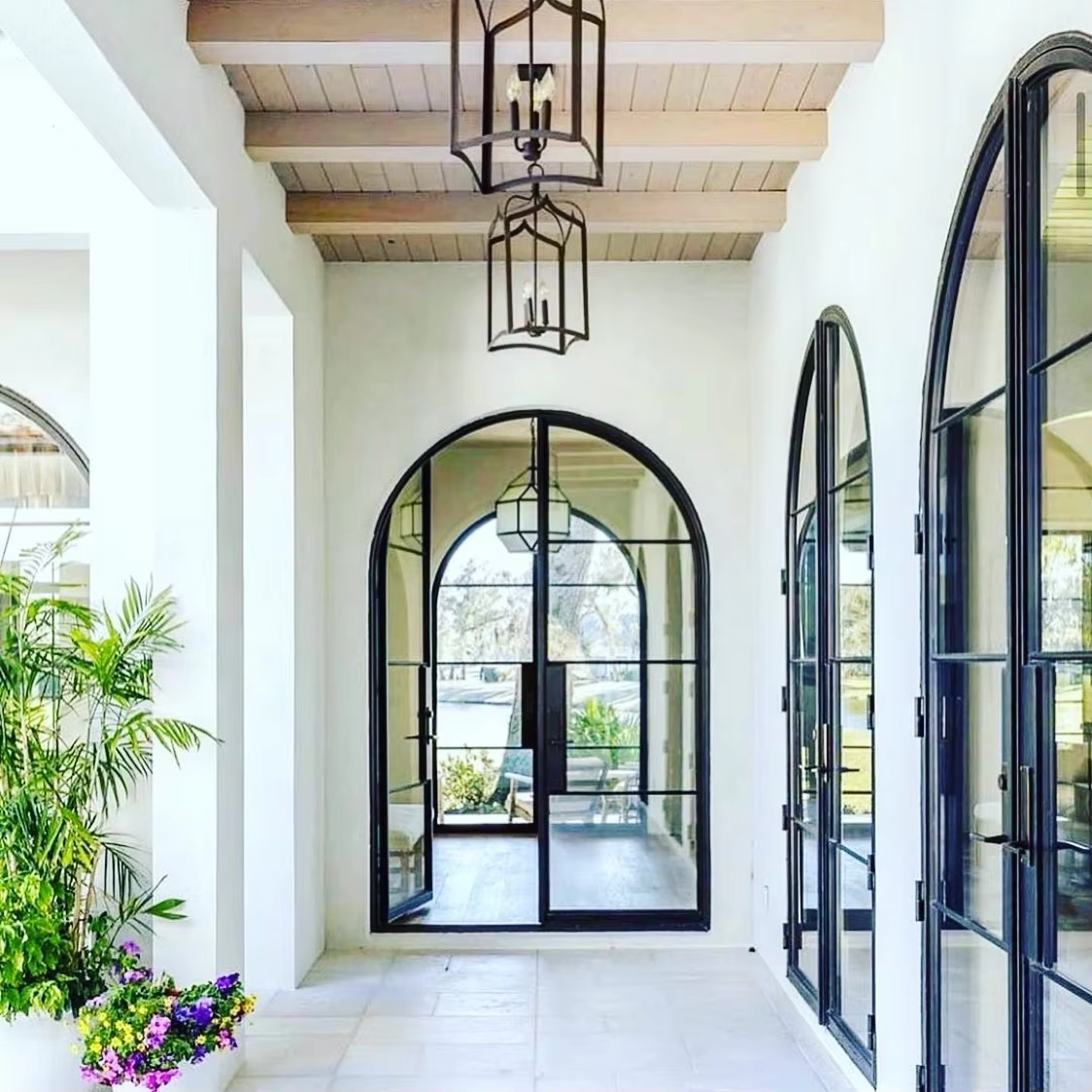
A finish should be selected as part of the specification, not treated as a final decorative detail. Coordinating the finish with glass, hardware, wall interfaces, and installation sequencing can prevent avoidable changes later. This overview explains the principal finish choices and how to assess them for steel window frames installation, industrial steel window designs, and thermal performance steel windows.
Common finish options for steel frames
Painted and powder-coated surfaces
Paint and powder coating offer a controlled color selection and a consistent appearance across frame sections. A specified coating system can suit interior or exterior applications, but the project team should confirm substrate preparation, coating thickness requirements, and the handling process. When reviewing steel window frames installation, clarify how finished frames will be protected during transport and fitting, since abrasion at edges can be more visible than wear on broad surfaces.
Clear coatings and natural patina
Clear finishes preserve more of the steel’s natural character, while a deliberate patina can create variation and visual depth. These approaches are not interchangeable: a clear protective layer is intended to limit surface change, whereas a patina finish makes changing color and texture part of the design. For industrial steel window designs, review sample panels under the project’s actual lighting and alongside nearby materials before approving the finish.
Exposure matters as much as appearance. Rain, condensation, airborne contaminants, and frequent cleaning can affect how a surface looks over time, so the project specification should state the expected maintenance approach. Discuss steel window frames installation with the design and construction teams early enough to coordinate sealants, adjacent finishes, and protection measures. This is especially useful where coated or patinated frames meet masonry, timber, or metal cladding.
Choosing a finish for project conditions
Matching finish to exposure and maintenance
Start by identifying whether the frames will face direct weather, sheltered conditions, interior humidity, or regular cleaning. A finish that looks suitable in a sample room may behave differently at a coastal façade or beside an active production area. For industrial steel window designs, align the finish choice with the actual environment and maintenance plan rather than relying on appearance alone. Confirm cleaning products and methods with the project specification.
The frame finish does not determine the insulating value of the complete window, but it belongs in a broader performance review. Ask how frame construction, glazing, seals, and installation details work together when evaluating thermal performance steel windows. A durable-looking surface cannot compensate for poorly coordinated interfaces, and a selected coating should not be assumed to improve heat retention. Review documented assembly information for the specified system.
Color and sheen also affect the visual reading of slender profiles. A dark matte finish can make sightlines appear restrained, while a brighter or reflective surface may draw attention to the frame geometry. Compare finish samples against the glass, wall material, and interior palette, considering daylight and artificial light. Include steel window frames installation requirements in that review so temporary protection and site handling do not undermine the approved appearance.
Maintenance expectations should be practical and explicit. A project with limited access for cleaning may favor a finish and color that remain acceptable between scheduled visits, while a high-touch interior may need a surface that can be cleaned routinely. Industrial steel window designs can use either restrained or expressive finishes, provided the selected treatment suits the site conditions. Record approved cleaning products and repair procedures before handover.
Coordinating finish with thermal and installation details
A finish decision should be coordinated with glazing and the wall opening rather than made in isolation. Thermal performance steel windows depend on the complete assembly, including glass specification, frame configuration, seals, and the junction between frame and building. Confirm that finish selections are compatible with the documented system and that no coating or site treatment is introduced without review. This keeps aesthetic decisions aligned with project requirements.
Specifying and approving the final finish
Sample review and specification clarity
Request representative samples that show the actual surface texture, color, and sheen, rather than relying only on a digital image. Review them in the intended location and beside adjacent materials; large frame areas can read differently from a small chip. For industrial steel window designs, note whether a natural variation is acceptable or whether the project requires a more uniform appearance. State the approved sample reference in project documentation.
Specify the finish by its defined system and application requirements, not by a general color description alone. Documentation can identify preparation, coating layers, acceptable visual variation, and the method for addressing damage. Include expectations for steel window frames installation, such as storage, lifting, temporary protection, and touch-up approval. Clear responsibilities help prevent an installer from making an unreviewed change to a visible surface.
The finish specification should also distinguish factory work from any permitted site work. Factory-applied coatings generally offer controlled application conditions, while site repairs may be necessary after handling or fitting. Ask how repair materials will match the approved finish and who must authorize them. When assessing thermal performance steel windows, keep finish approvals separate from checks on glazing, seals, and frame-to-wall detailing.
Before release, review a coordinated sample with hardware, glazing edges, and the adjacent wall finish. Confirm that the chosen surface suits expected exposure and that the maintenance plan is realistic for the building operator. The linked modern steel windows product reference can help teams discuss visible frame treatments alongside the overall window design. Keep final approvals in the project record.
FAQ
Which finish is easiest to maintain?
There is no universal answer because exposure, finish system, and cleaning access all matter. Compare maintenance instructions and repair expectations for the actual project conditions. For steel window frames installation, also agree on how finished surfaces will be protected during handling and construction so routine upkeep does not begin with preventable damage.
Can a patina finish be specified for an exterior project?
It can be considered when the design team accepts natural surface variation and has reviewed the conditions that influence aging. Examine sample panels and clarify the desired appearance over time. Industrial steel window designs using patina should include clear maintenance and acceptance criteria, since the finish is intended to develop differently from a uniform painted surface.
Does the frame finish improve window insulation?
A surface finish is not a substitute for an efficient window assembly. Assess glazing, frame design, seals, and the installed perimeter together when reviewing thermal performance steel windows. The finish remains important for protection and appearance, but project teams should use system documentation to evaluate thermal requirements and coordinate the details correctly.