 EN

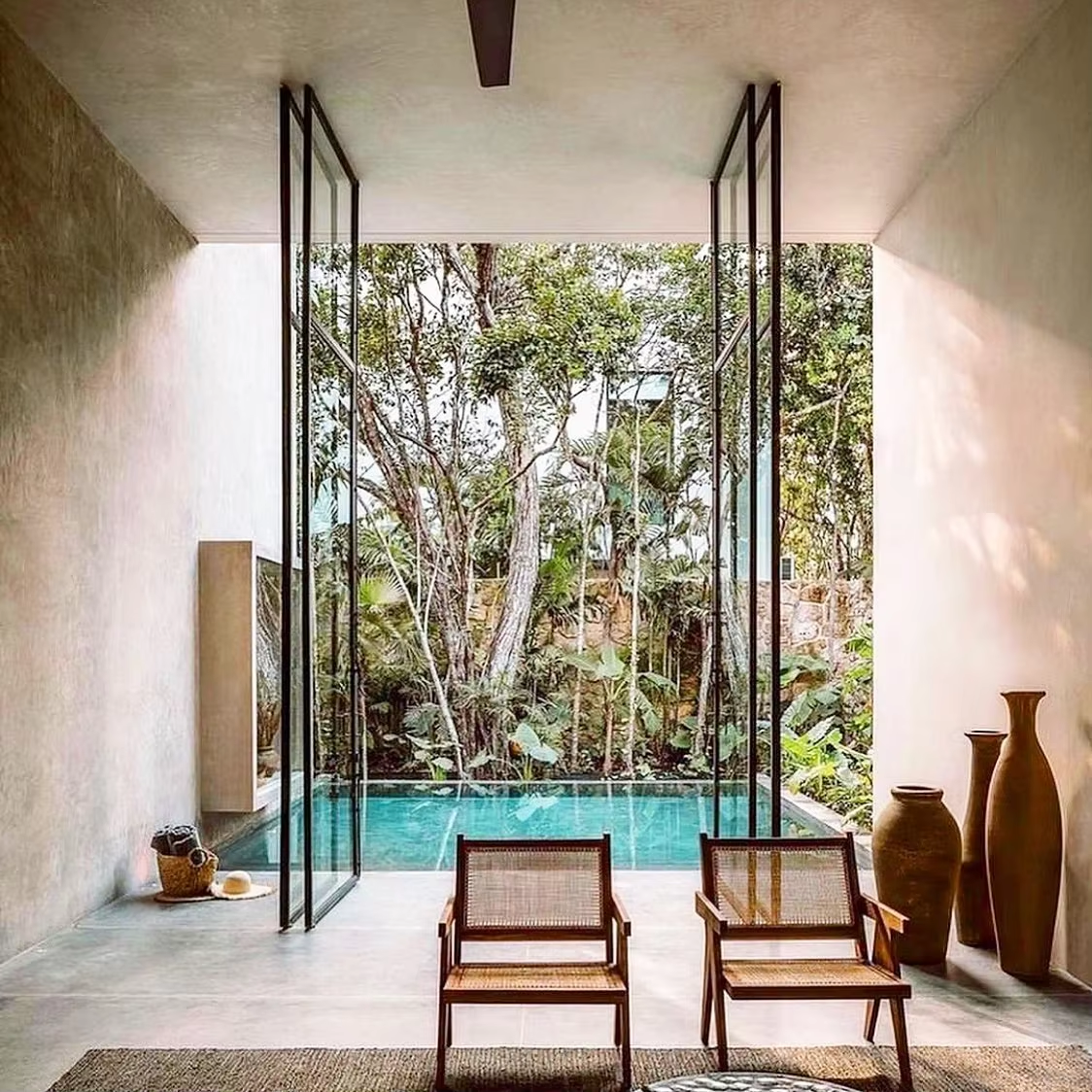
Choosing glass for modern steel windows means balancing thermal comfort, daylight, safety, and the appearance of slender frames. There is no single best specification for every project: climate, orientation, room use, and building regulations all affect the right choice. For industrial window frames for homes, start with how each opening will perform in its actual setting, rather than selecting glass by appearance alone.
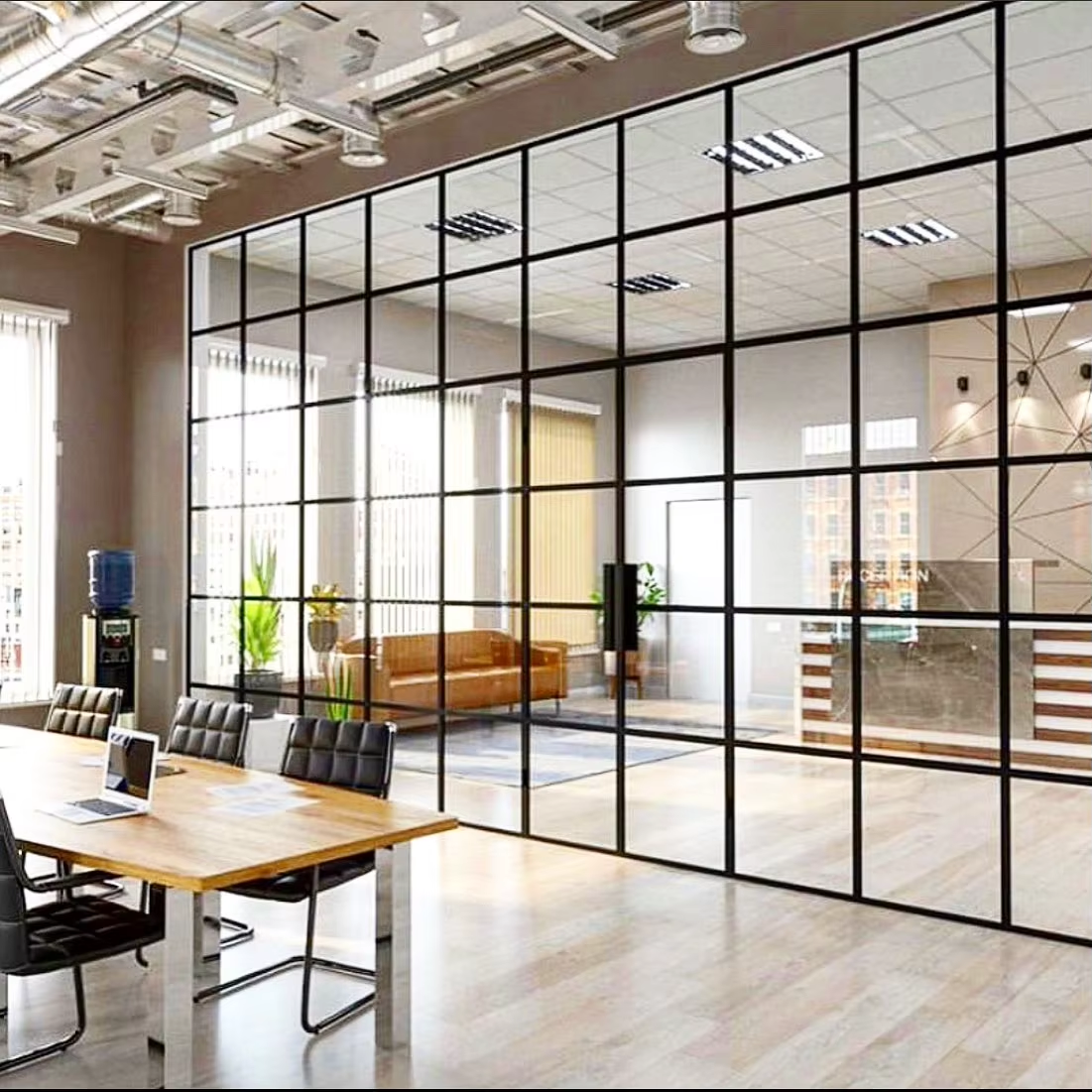
A useful comparison begins with the glazing construction, then checks coatings, safety properties, and compatibility with the frame. Double glazing is often a practical baseline, while triple glazing or laminated glass may suit specific performance and security needs. Reviewing steel frame window installation costs alongside glass specifications helps keep the decision grounded, and minimalist steel window designs can retain their clean appearance when the glass choice is considered early.
Match Glass Construction to the Project
Double and triple glazing for thermal control
Double glazing uses two panes separated by a sealed cavity, helping limit heat transfer compared with a single pane. For industrial window frames for homes, it can provide a balanced starting point when the frame system, spacer, and installation are also specified for the local climate. The overall result depends on the complete window assembly, not the glass alone.
Triple glazing adds another pane and cavity, which can improve insulation potential, but it also adds weight and may affect cost, hardware, and frame requirements. Check whether the selected system is engineered for that glass build-up before making a decision. Comparing steel frame window installation costs should include any changes to support, handling, and fitting, rather than treating the glazing upgrade as an isolated line item.
Low-emissivity coatings and solar control
Low-emissivity coatings are designed to reduce radiant heat transfer while allowing visible light through. Their position within the insulated unit matters, and the appropriate coating depends on whether a room needs to retain heat or limit solar gain. When assessing industrial window frames for homes, consider the window orientation and seasonal conditions instead of applying one coating choice to every elevation.
Solar-control glass can reduce incoming solar energy, which may help manage glare and overheating in exposed rooms. The trade-off is that some products can change the visible tint or reduce daylight, so review samples in the intended setting. A carefully selected coating can work with minimalist steel window designs, preserving a restrained visual effect without assuming that every pane should have the same solar properties.
Balance Safety, Light, and Visual Character
Laminated and tempered glass for suitable locations
Tempered glass is heat-treated to increase strength and is designed to break into smaller pieces than ordinary annealed glass. Laminated glass holds fragments together with an interlayer if the panes break, making it useful where retention is important. For industrial window frames for homes, identify locations that may require safety glazing, such as low-level areas, doors, or openings near circulation routes, and confirm applicable code requirements.
Some window specifications combine tempered and laminated panes to address different risks, but the exact construction should follow the project brief and local regulations. Ask for written glass build-up details, including pane thickness and interlayer type, so that the fabricator and installer work from the same specification. Steel frame window installation costs can change with special glass, so include safety requirements in early budgeting rather than adding them after fabrication.
Clear, patterned, and privacy glass
Clear glass maximizes visual connection and suits spaces where an unobstructed view matters. Frosted, etched, or patterned options can provide privacy in bathrooms, meeting rooms, or street-facing areas while still admitting light. When choosing industrial window frames for homes, consider where sightlines fall during the day and whether privacy is needed at all times or only in particular rooms.
Tinted glass can moderate brightness, but its color may alter how interior finishes and exterior views appear. A small sample is useful because the effect changes with daylight, nearby surfaces, and viewing angle. Minimalist steel window designs often rely on a crisp contrast between frame and glazing, so compare samples against the actual finish and assess whether texture or tint supports the intended character.
Specify Glass With the Frame and Installation
Check dimensions, weight, and system compatibility
Glass selection must fit the frame system’s permitted thickness, weight, and method of retention. Larger panes and triple-glazed units may place different demands on hinges, setting blocks, and handling equipment. For industrial window frames for homes, have the supplier confirm that the proposed glazing is compatible with the exact profile and opening configuration before the order is released.
Installation quality affects weather resistance and long-term operation. The specification should identify how the frame will be anchored, how the perimeter will be sealed, and how drainage paths remain clear. When reviewing steel frame window installation costs, ask whether access, lifting, site preparation, and finishing are included; a low initial figure may not describe the full scope needed for a sound installation.
Set priorities before requesting quotes
A clear brief makes quotes easier to compare. Record the room function, exposure, privacy needs, safety requirements, target thermal performance, and preferred appearance for each opening. For industrial window frames for homes, this project-specific schedule prevents one generic glass package from being applied where different rooms have different demands.
Ask for the glass composition and relevant performance information in writing, and compare equivalent specifications rather than headline prices. Steel frame window installation costs should be assessed against the same assumptions for glazing, hardware, access, and finishing. This approach also protects minimalist steel window designs from late substitutions that could change the tint, reflectivity, or visual consistency of the finished elevation.
FAQ
Is double glazing enough for modern steel windows?
It can be suitable when its performance matches the climate, room use, and complete frame system. Review industrial window frames for homes as a whole assembly, including seals and installation, and compare double glazing with triple glazing if the project has demanding insulation goals.
Does laminated glass change the project budget?
It may affect the glass specification, handling, and fitting requirements. Confirm the required safety locations early and request comparable quotations that state the exact build-up. That gives a more useful view of steel frame window installation costs than comparing estimates with different glass assumptions.
How can glass preserve a slim, minimal appearance?
Choose a glass build-up compatible with the frame and review samples for tint, reflectivity, and clarity before approval. Minimalist steel window designs benefit from consistent glazing across visible elevations, while industrial window frames for homes should still meet the privacy, comfort, and safety needs of each room.