 EN

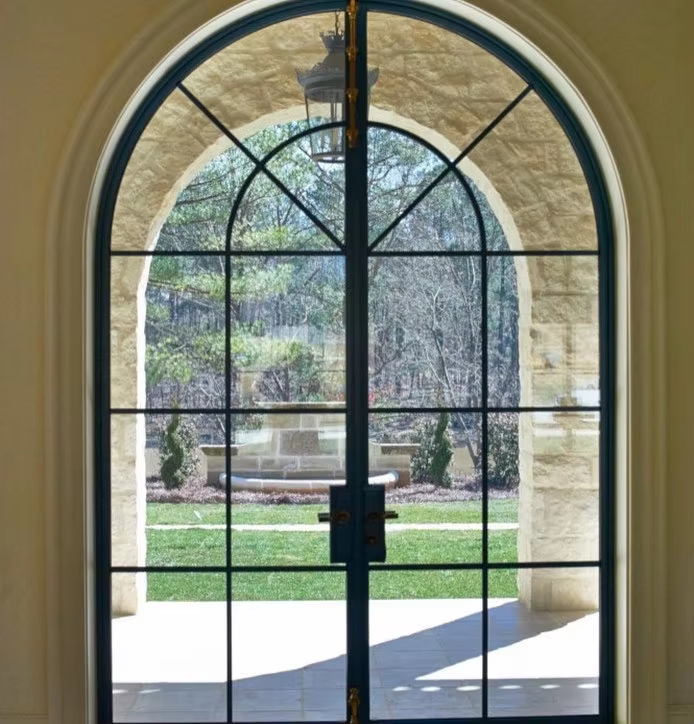
Choosing frame materials for metal black windows means balancing appearance with durability, thermal performance, and the realities of installation. Aluminum and steel can both create slender dark frames, but their strength, maintenance needs, and detailing differ. The best fit depends on opening size, exposure, building use, and how the frame joins the wall. For modern industrial window frames, material choice should start with those project conditions, not color alone.
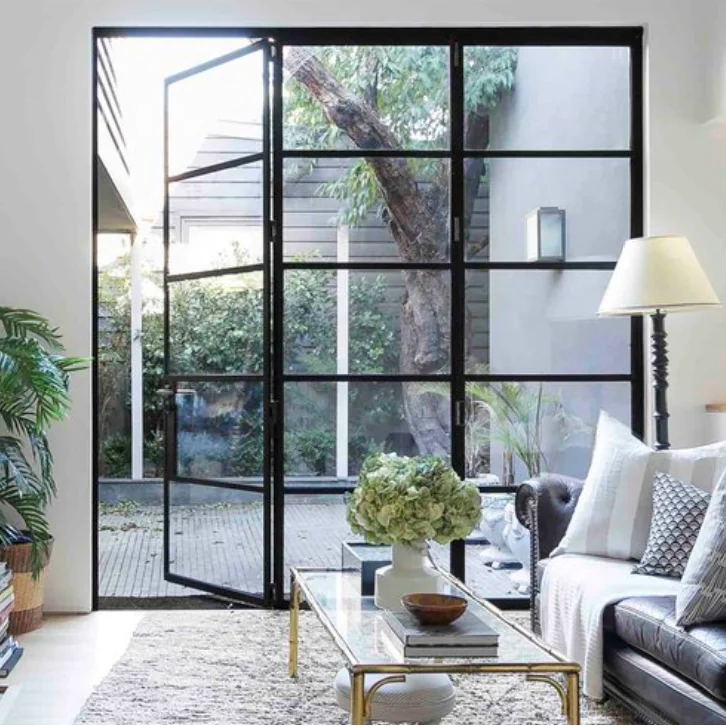
Long-term performance comes from a complete assembly: frame, glazing, finish, seals, drainage, and installation. Black aluminum window designs are often selected for a contemporary profile, while steel can suit projects seeking narrow sightlines and a more substantial material character. Both can perform well when their specifications match the exposure and maintenance plan. Reviewing modern industrial window frames alongside a clear steel frame window installation scope helps teams compare the complete system rather than a sample corner.
Compare aluminum and steel for project conditions
Aluminum for adaptable, low-maintenance framing
Aluminum is a practical option when projects need corrosion resistance, manageable weight, and a wide choice of profiles. Many modern industrial window frames use aluminum because it can support consistent finishes and modular fabrication. For metal black windows, the finish should be specified for the actual environment, especially where sunlight, moisture, or airborne contaminants may affect appearance over time.
Black aluminum window designs work across commercial and residential elevations, but finish quality and preparation matter as much as the color. Ask for details on coating type, surface pretreatment, color consistency, and repair procedures. A dark finish can make scratches and uneven fading more visible, so inspect samples under realistic lighting rather than judging a small indoor swatch alone.
Steel for stiffness and slender sightlines
Steel offers high structural stiffness, which can help support narrow profiles or demanding opening configurations. Modern industrial window frames made from steel may suit renovation work where a fine grid or material continuity is important. Its weight and corrosion protection requirements should be factored into design coordination, handling, and anchoring from the start.
For either material, evaluate the whole frame system rather than assuming the base metal determines performance. Black aluminum window designs can include thermal breaks, while steel systems may also use insulated sections or carefully engineered profiles. Compare the published thermal data, glazing compatibility, air and water control details, and maintenance instructions. These checks make a visual choice a defensible specification for metal black windows.
Specify thermal, finish, and weather protection
Control heat transfer at the frame
Metal conducts heat, so thermal separation between exterior and interior surfaces is a key specification issue. Modern industrial window frames intended for conditioned spaces should be assessed alongside the glazing, spacer, and perimeter seal. Ask the design team to review whole-window performance for the climate and building requirements instead of relying on glass data alone.
Black aluminum window designs should be reviewed for frame depth and thermal-break continuity, particularly at corners and meeting rails. The right detail can reduce heat flow through the frame, but the result depends on the complete assembly and installation. Where condensation risk matters, coordinate interior humidity, ventilation, and frame surface temperatures during design rather than treating condensation as a finish problem.
Steel frame window installation also requires attention to thermal bridges around anchors, perimeter connections, and transitions to adjacent construction. Insulating materials and sealants must be compatible with the frame and the wall system. If the opening is part of a high-performance envelope, document these connections in sections and confirm responsibilities before work begins.
Protect dark finishes and manage water
A durable finish starts with a coating suited to exposure, substrate preparation, and fabrication sequence. Modern industrial window frames should have consistent protection at edges, joints, and cut locations, where damage or incomplete coverage can become a weak point. Confirm how the finish will be cleaned and how localized damage should be repaired without creating a visibly different patch.
Black aluminum window designs can show dust, water marks, and surface variation depending on sheen and surroundings. Choose a practical finish specification and set cleaning expectations that fit the building. For metal black windows exposed to heavy rain, wind, or coastal conditions, review drainage paths, glazing gaskets, and corrosion protection as one coordinated package.
Plan installation and maintenance for service life
Coordinate the opening before fabrication
Accurate field dimensions and a defined installation sequence prevent avoidable stress on the frame. Steel frame window installation should clarify the substrate, anchor type, tolerances, lifting method, and temporary protection. These details are particularly important for heavier units, where handling and support can affect alignment before glazing or final sealing.
Modern industrial window frames need a continuous connection to the air, water, and thermal control layers of the wall. Assign who supplies each membrane, flashing, backer, and sealant, then show how the parts overlap. Black aluminum window designs may use different anchor and perimeter details from steel systems, so avoid transferring a typical detail without checking the selected product and opening.
A sound steel frame window installation includes inspection before concealed areas are covered. Verify frame plumb and square, anchor engagement, drainage openings, sealant continuity, and glazing support against project documents. Record corrections and protect finished surfaces from nearby trades; construction damage can compromise both appearance and the coating even when the underlying frame remains sound.
Set realistic inspection and upkeep expectations
Long-term care should be simple enough to follow. Modern industrial window frames benefit from periodic checks of seals, drainage routes, hardware, and visible coating condition, with frequency adjusted to local exposure. Use cleaning products approved for the finish, and address blocked weeps or damaged seals before water has time to affect adjacent materials.
When comparing proposals, assess documented performance, repair access, finish warranty terms, and the availability of replacement hardware or gaskets. Black aluminum window designs may reduce routine coating concerns in some settings, while steel may call for closer attention to protective finishes and vulnerable edges. A maintenance plan should reflect the chosen material, not a generic assumption about all metal frames.
The most reliable selection is the one that suits the building and can be installed as detailed. If a project prioritizes a strong, slim visual frame, metal black windows can be evaluated against both aluminum and steel system requirements. Confirm samples, technical data, interface details, and maintenance responsibilities before approving fabrication.
FAQ
Which material generally needs less routine attention?
It depends on exposure and finish specification. Aluminum often offers straightforward upkeep, while steel needs suitable corrosion protection and attention to damaged areas. For modern industrial window frames, follow the system-specific cleaning and inspection guidance rather than assuming every finish behaves the same way.
Are black aluminum window designs suitable for large openings?
They can be suitable when the selected profile, reinforcement, glazing, and structural support meet the opening requirements. Ask for project-relevant performance data and check deflection limits. The appearance of black aluminum window designs should not replace engineering review of the complete assembly.
What should be confirmed before steel frame window installation?
Confirm measured opening dimensions, anchors, wall interfaces, handling access, corrosion protection, drainage, and sealant compatibility. A coordinated steel frame window installation plan should also identify inspection points and surface protection. These checks support the intended service life of modern industrial window frames.