 EN

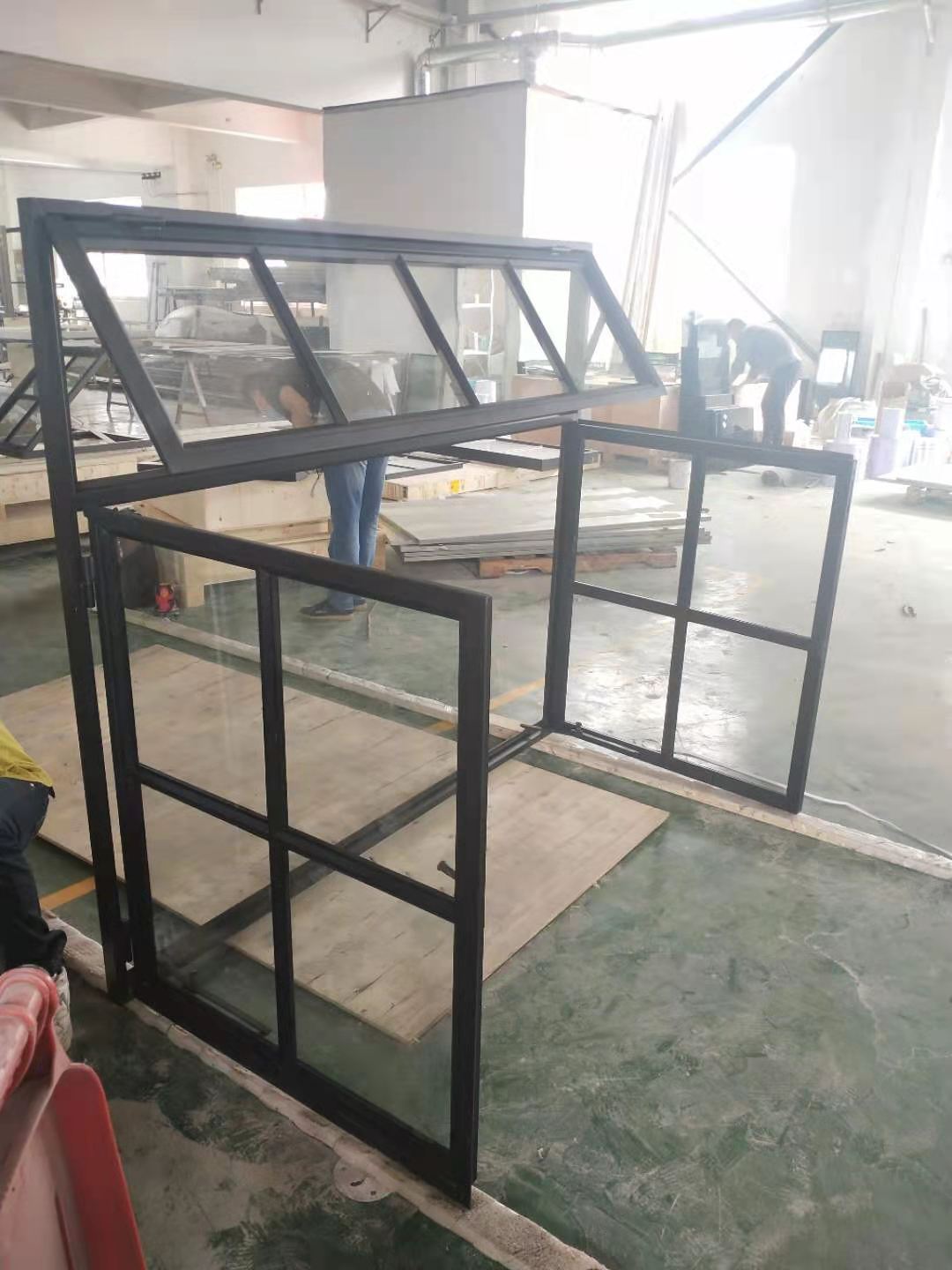
Choosing glass for metal black windows means balancing appearance with the room’s actual demands. Clear, low-emissivity, laminated, tinted, and patterned glass each solve different problems, so the best option depends on daylight, privacy, safety, climate, and the size of each opening. Black aluminum window frames can make glass look especially prominent, while modern industrial windows often use narrow sightlines to create a crisp contrast between glazing and frame.
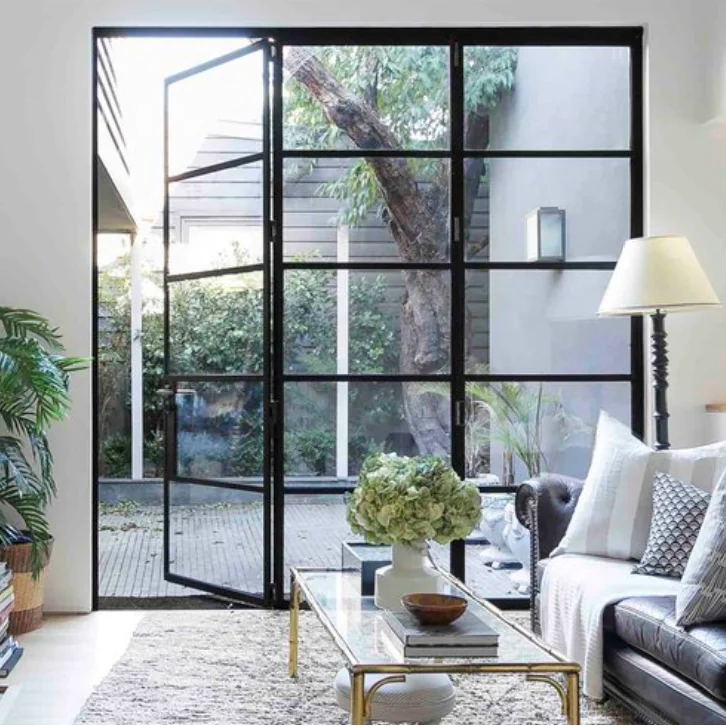
For most projects, start with the required performance, then choose a glass appearance that supports the design. Matte black window finishes frame reflections and edges strongly, so glass color and visible reflectivity matter more than they may with lighter frames. Reviewing samples in the intended room, at different times of day, helps confirm whether the selected glazing works with the frame and the building’s lighting conditions.
Match the Glass Type to the Design Goal
Clear glass for open, daylight-focused rooms
Clear glass is a straightforward choice when the priority is an unobstructed view and abundant natural light. It lets the profile of black aluminum window frames remain visible without adding a strong color cast, which suits living areas, offices, and storefront-style interiors. In modern industrial windows, clear glazing also preserves the direct visual connection between indoor and outdoor spaces that the slender frame design is intended to emphasize.
The trade-off is that clear glass does little to manage glare or provide daytime privacy by itself. Large areas may reveal interior furnishings after dark when lights are on, even if the exterior looks private during the day. Matte black window finishes can sharpen this contrast, making the glass appear like a dark reflective panel at some angles, so consider sightlines from neighboring buildings before finalizing the specification.
Low-emissivity glass for comfort and energy control
Low-emissivity, or low-E, glass has a coating designed to reduce heat transfer while allowing useful daylight through. It is often worth considering where heating or cooling loads matter, particularly on large elevations. When paired with black aluminum window frames, confirm that the coating’s visible color and reflectance remain acceptable from both sides, since the dark perimeter can make subtle glass tones more noticeable.
A low-E specification should reflect local climate, orientation, and the building’s heating and cooling strategy rather than rely on a generic label. South- or west-facing modern industrial windows may need different solar control from shaded north-facing openings. Matte black window finishes do not determine the glass performance, but their visual weight makes it useful to review a full-size or representative sample under actual daylight before approving the combination.
Balance Privacy, Safety, and Solar Control
Laminated and tempered glass for risk management
Tempered glass is heat-treated to improve strength compared with ordinary annealed glass and is designed to break into smaller pieces. Laminated glass uses an interlayer between panes that helps hold fragments together if breakage occurs. Which option is appropriate depends on local code, opening location, impact exposure, and the project’s risk assessment, not simply on the look of black aluminum window frames.
Doors, low-level glazing, overhead areas, and locations near circulation routes may have specific safety-glazing requirements. Ask the design professional or glazing contractor to verify the applicable rules and identify where safety glass is required. For modern industrial windows in public or workplace settings, the glass build-up should be coordinated with hardware, frame capacity, and installation details. Matte black window finishes are an aesthetic choice and do not replace these safety checks.
Tinted, reflective, and obscure glass for control
Tinted glass can reduce visible brightness and alter solar gain, but it also changes the color of transmitted daylight and the view from indoors. Reflective glass may help limit views into a space during brighter daytime conditions, yet it is not dependable nighttime privacy once interior lights are switched on. Review samples with black aluminum window frames because the frame’s dark border can make a tint appear deeper than it does on a small swatch.
Obscure or patterned glass is useful where privacy matters more than a clear view, such as bathrooms, changing areas, or selected partitions. It can diffuse light while obscuring detail, and different textures create distinct levels of screening. For modern industrial windows, a restrained pattern can preserve an architectural feel without turning every opening into a feature. Check how the texture reads beside matte black window finishes and confirm cleaning requirements with the project team.
Specify Glass for the Opening and Building Use
Choose by orientation, room, and exposure
The same glazing choice will not perform equally in every part of a building. A bright west-facing office may need more glare and solar control than a shaded stairwell, while a street-level bedroom may need privacy measures that an upper-floor lounge does not. Map each opening by direction, use, and exposure before selecting glass for black aluminum window frames; this prevents a single appearance decision from ignoring room-level needs.
In a renovation, inspect existing conditions such as drafts, condensation, noise, and nearby obstructions before choosing a replacement. New modern industrial windows should be evaluated against the wall assembly and the project’s thermal objectives, not in isolation. Where privacy is the main concern, specify the relevant glazing or a separate shading treatment rather than expecting matte black window finishes to conceal views. Confirm that the chosen glass works with the opening dimensions and frame system.
Coordinate the final specification and samples
A complete glass specification identifies the glass type, thickness, coating, tint or pattern, safety classification where required, and any insulating-glass build-up. It should also state which surfaces receive coatings and the intended visual appearance. For black aluminum window frames, request samples showing the actual frame color beside the proposed glass; isolated glass samples can misrepresent reflections, edge color, and the overall contrast.
Before approval, review the assembly from inside and outside, in daylight and after dark, and consider how blinds or curtains may affect the result. Check manufacturer documentation for compatibility with the frame, hardware, and installation method, and have qualified project professionals confirm code requirements. This process helps modern industrial windows meet both design and operating needs. It also makes matte black window finishes feel intentional rather than allowing an unexpected glass tint or reflection to dominate.
FAQ
Is clear glass suitable for metal black windows?
Yes, clear glass is suitable when daylight and unobstructed views are the priorities. It does not provide much privacy or glare control, so assess the room’s exposure and nighttime sightlines. Compare samples with black aluminum window frames to see how reflections and frame contrast appear in the actual setting.
Does tinted glass provide privacy at night?
Usually, tint alone does not provide reliable nighttime privacy when indoor lighting is brighter than outdoor conditions. Consider curtains, blinds, or obscure glazing if privacy must be maintained after dark. For modern industrial windows, review the tint’s daylight color as well as its exterior appearance before specifying it.
What should be checked before ordering safety glass?
Confirm applicable building-code requirements, the opening’s location and exposure, and the glass build-up’s compatibility with the frame and hardware. Tempered and laminated glass address breakage differently, so the correct choice depends on the project conditions. Check the finished assembly beside matte black window finishes to approve both performance and appearance.