 EN

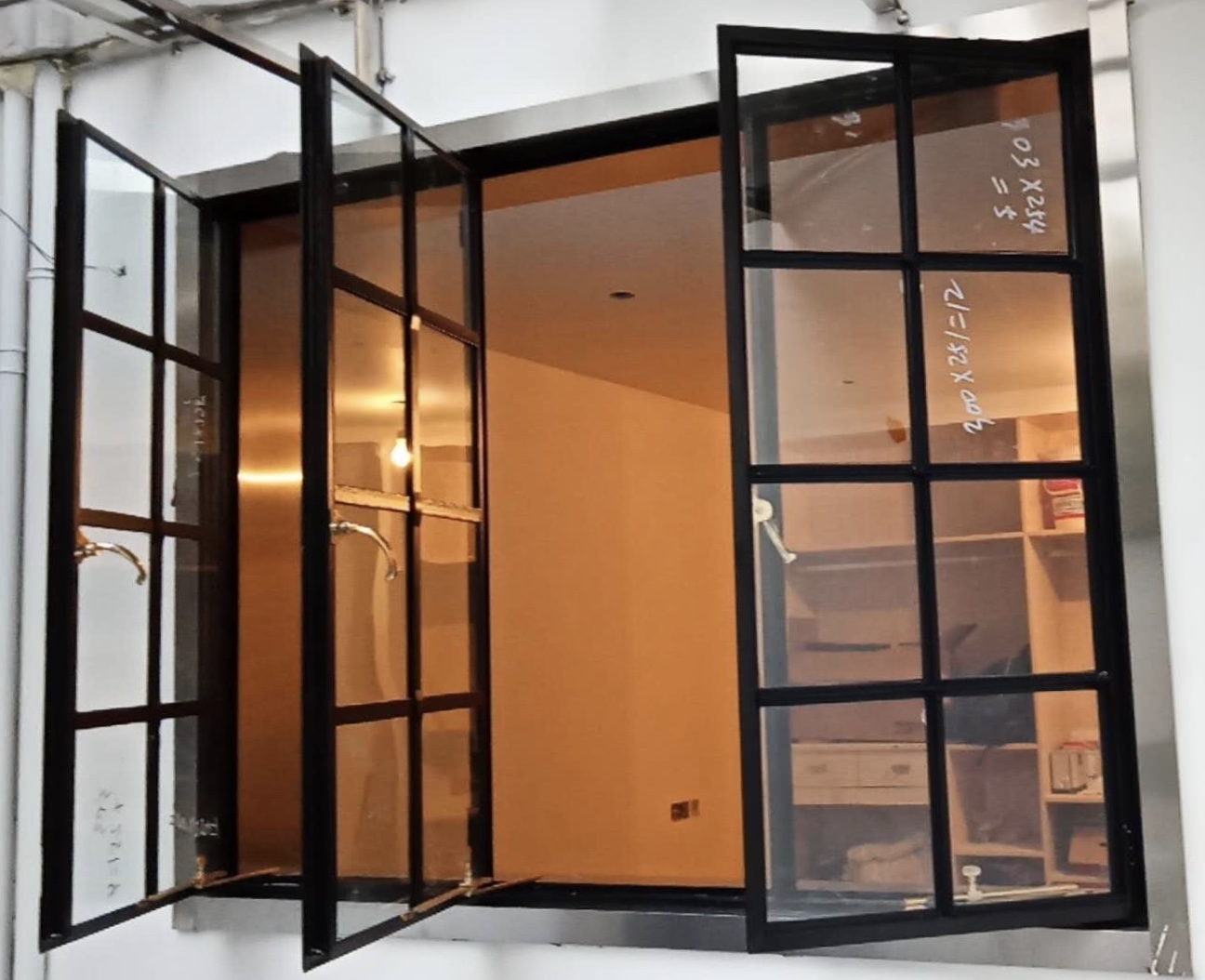
Buyers comparing modern steel windows should assess how the complete assembly performs, not judge it by appearance alone. Frame construction, glazing, thermal breaks, seals, and hardware all affect comfort, durability, and operating costs. For a useful specification, connect each performance requirement to the building’s climate, exposure, use, and maintenance plan. Reviewing steel window frames and installation as one system also helps prevent design decisions from being undermined during construction.
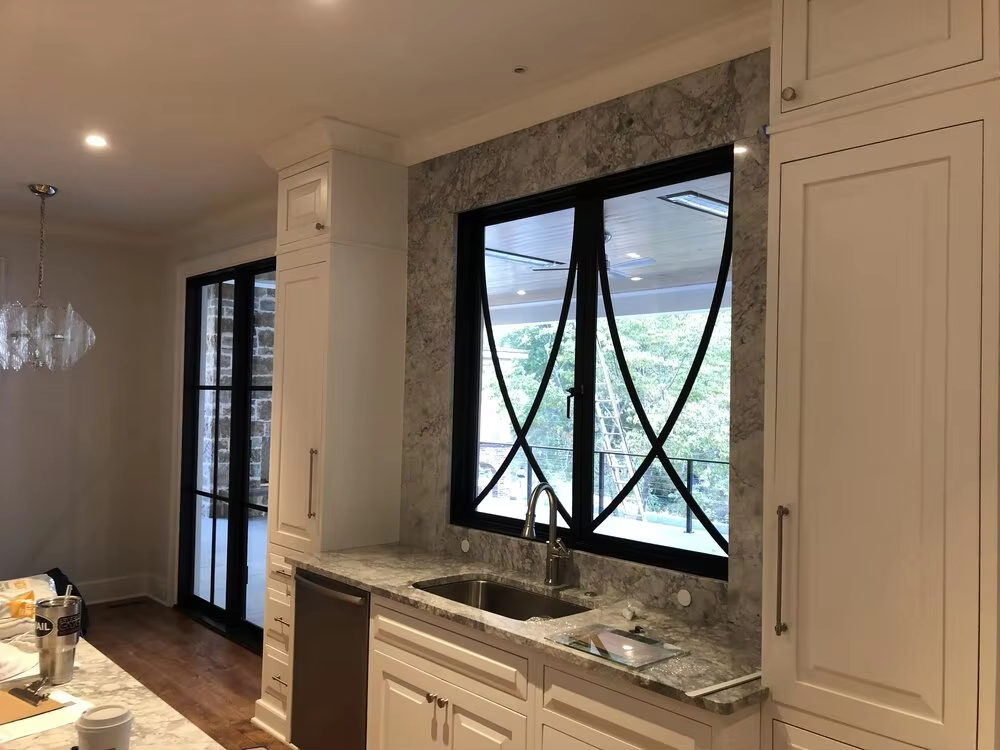
The right priorities differ between a residence and a busy commercial property. Contemporary steel window designs for homes may emphasize daylight, sightlines, and secure ventilation, while industrial steel windows for commercial buildings must also suit occupancy, operating schedules, and project codes. In either setting, confirm tested performance values and installation details before comparing aesthetics. A product specification should explain how the frame, glass, seals, and opening components work together.
Thermal performance and glazing for the project
Evaluate heat transfer through the complete assembly
Thermal performance depends on more than the glass. Ask for whole-window data that accounts for the frame, glazing, spacers, and configuration, then compare it with the project’s energy targets and local requirements. Modern steel windows can use thermal breaks to reduce heat transfer through metal sections. When assessing steel window frames and installation, make sure the stated rating applies to the proposed size and opening style, not a different test sample.
Glazing selection should reflect climate, orientation, solar exposure, and indoor use. Insulating glass can help limit heat flow, while coatings and tint affect solar gain and visible light. Contemporary steel window designs for homes often pair slim sightlines with larger glass areas, so confirm that the specified glazing still supports comfort and energy goals. Ask how glass thickness, edge construction, and frame capacity are coordinated before finalizing the opening dimensions.
Match comfort requirements to occupancy
A warm interior surface, controlled solar gain, and reduced drafts contribute to occupant comfort. In offices, schools, or other occupied facilities, industrial steel windows for commercial buildings should be considered alongside the heating and cooling strategy. Review the project’s climate zone, room use, and façade orientation rather than relying on a generic claim. Steel window frames and installation details, including perimeter insulation, can influence how the assembly performs in practice.
Condensation risk also deserves attention, particularly where indoor humidity is high or outdoor temperatures fall sharply. Ask the design team to consider interior surface temperatures, thermal bridging, and ventilation conditions. Contemporary steel window designs for homes may include operable units to support fresh-air strategies, but opening a window is not a substitute for a planned ventilation system. Confirm that the chosen frame and glazing combination aligns with the building envelope design.
Weather resistance, operation, and security
Check seals and water management
Air and water control depend on sound seals, drainage paths, and careful junction design. Request information about applicable air leakage and water penetration testing, along with limits on tested sizes and configurations. Industrial steel windows for commercial buildings may face strong wind exposure, frequent use, or pressure differences, making these details especially relevant. Steel window frames and installation should include a clear approach to sill flashing, perimeter sealing, and drainage.
Look closely at how the window interfaces with cladding, insulation, and the interior air barrier. A high-performing unit can still allow drafts or moisture entry if the rough opening is poorly prepared. Contemporary steel window designs for homes should be reviewed against the home’s wall assembly and exposure, including wind-driven rain. Ask who is responsible for flashing transitions and how the completed work will be inspected before finishes conceal the connection.
Assess hardware, security, and serviceability
Opening type affects access, ventilation, cleaning, and emergency planning. Buyers should confirm that hinges, locks, operators, and restrictors suit the sash weight and expected frequency of use. Industrial steel windows for commercial buildings may need robust hardware for repeated operation, while residential choices may prioritize ease of use and child safety. In both cases, verify that replacement parts and adjustment procedures are documented for long-term service.
Security should be evaluated as a system that includes glazing, locks, frame anchorage, and the surrounding wall. Ask whether the proposed configuration satisfies project-specific security requirements instead of assuming that a metal frame alone provides a particular level of protection. Steel window frames and installation must account for fixing points and substrate strength. For contemporary steel window designs for homes, balance secure locking with practical egress and the intended method of operation.
Installation quality and lifecycle suitability
Specify installation before construction
Installation planning begins with accurate openings, structural support, and a defined sequence for weatherproofing. Document tolerances, anchorage, perimeter insulation, sealant compatibility, and responsibility for connecting the window to adjacent trades. Steel window frames and installation details should be coordinated with architectural drawings before fabrication. For industrial steel windows for commercial buildings, early coordination can also clarify access, lifting, protection, and sequencing across a larger façade package.
Submittals should identify the exact product configuration, glass build-up, finish, hardware, and relevant performance evidence. Check that dimensions and operation match the approved drawings, and resolve differences before units arrive on site. Contemporary steel window designs for homes often include fixed and operable sections in one composition, so identify each type clearly. The installer should follow the specified anchoring and sealing method, with inspection points scheduled before concealment.
Plan for durability and maintenance
Durability depends on finish quality, exposure, drainage, and routine care. Ask what cleaning methods are appropriate, how coatings should be maintained, and how scratches or damaged seals can be addressed. Industrial steel windows for commercial buildings may require a maintenance plan that fits facility access and operating hours. Modern steel windows should be assessed for repairability as well as initial performance, including the availability of compatible hardware and glazing service.
Lifecycle suitability also involves the building’s future use. Consider whether occupants may need different ventilation, access, or shading as the space changes. Contemporary steel window designs for homes should fit both the current plan and reasonable future needs, while commercial specifications should account for maintenance access and replacement logistics. Clear records of product configuration and installation help owners make informed service decisions later. Steel window frames and installation should therefore be treated as linked parts of asset planning.
FAQ
Which thermal details should buyers request?
Request whole-window performance data for the intended size and configuration, including frame and glazing. Confirm how thermal breaks, spacers, and installation junctions support the project target. For modern steel windows, steel window frames and installation should be evaluated together rather than through glass data alone.
Are slim frames suitable for residential projects?
They can be appropriate when glazing, comfort, safety, and structural requirements are met. Contemporary steel window designs for homes should be assessed for orientation and ventilation as well as sightlines. Confirm that the selected unit meets the home’s specification and installation conditions.
What should commercial buyers verify before approval?
Check tested performance, opening hardware, security provisions, maintenance needs, and code requirements for the intended occupancy. Industrial steel windows for commercial buildings also require coordinated façade details and a defined inspection process. Confirm that steel window frames and installation match approved documents before fabrication and site work proceed.