 EN
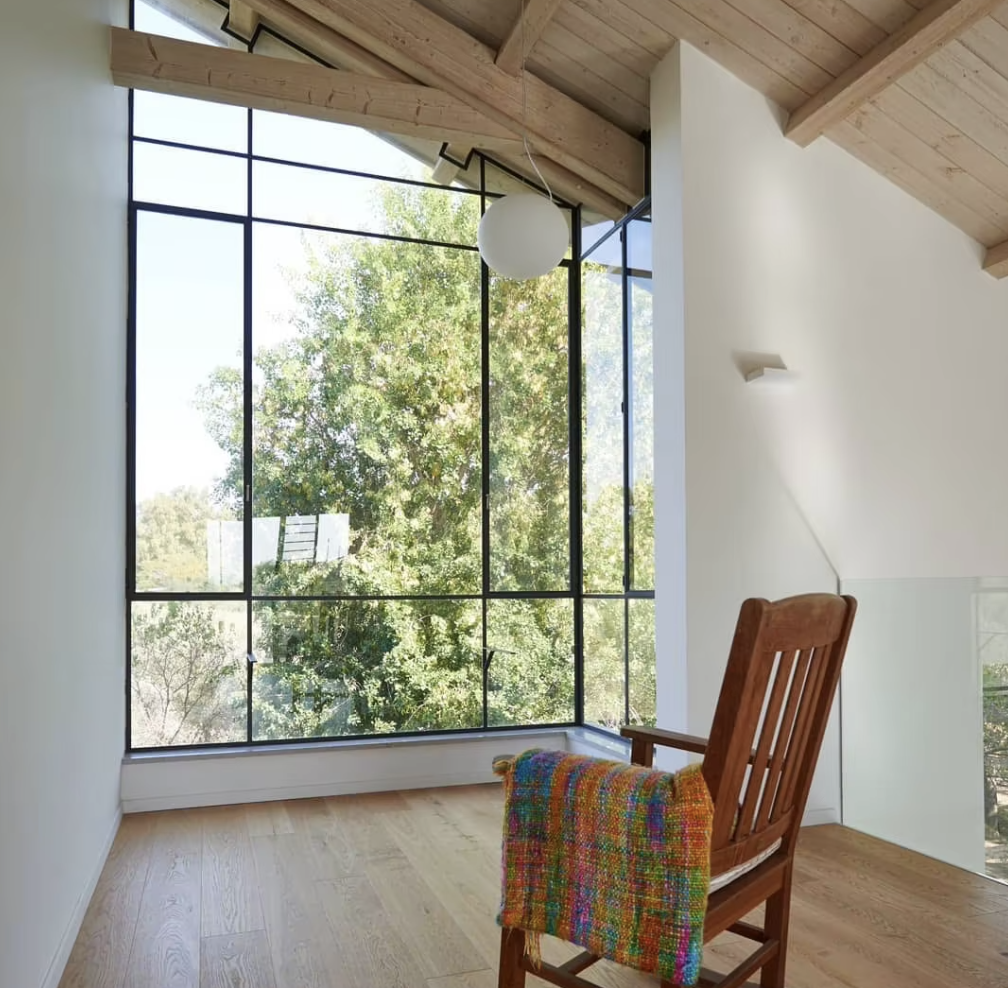
Energy-efficient building projects depend on coordinated choices, not a single high-performance component. Modern steel windows can support the project when their thermal design, glazing, installation details, and operation suit the building envelope. Selecting industrial window frames early gives architects and engineers time to coordinate openings, insulation, and interior finishes, while contemporary metal window design can preserve slender sightlines without treating appearance and efficiency as competing goals.
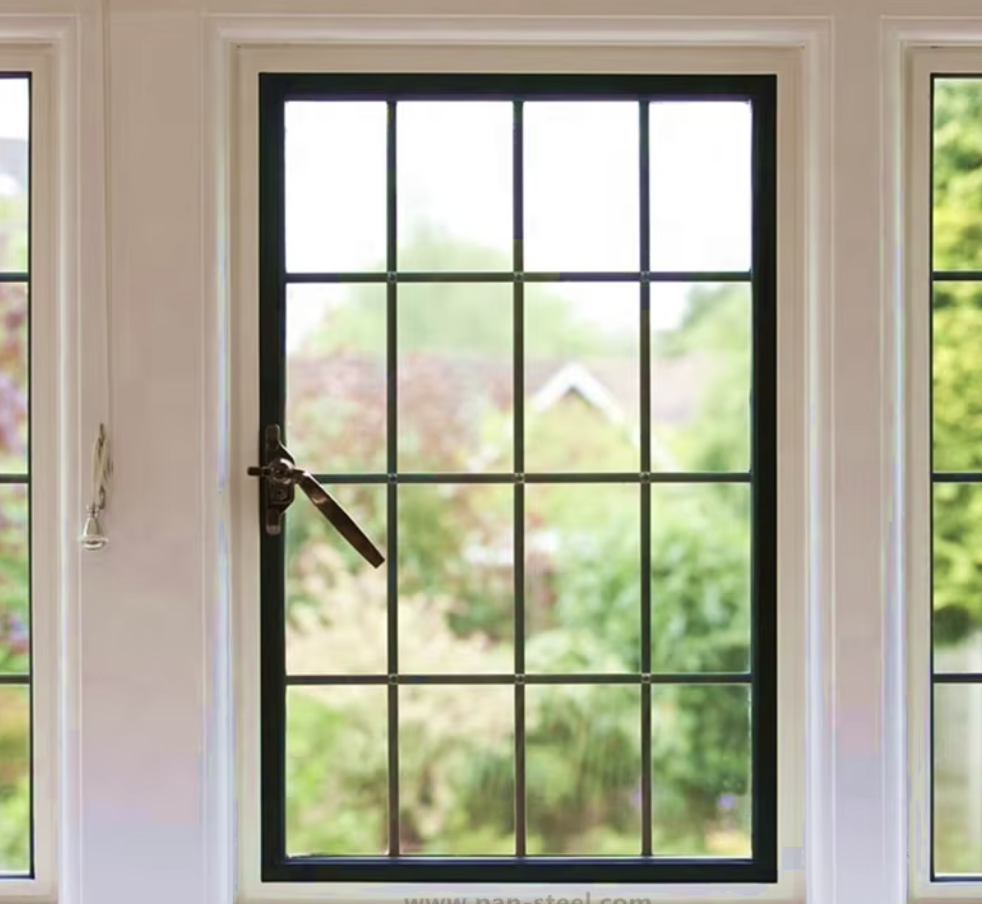
The practical answer is conditional: steel framing contributes to an efficient project when the complete window assembly limits unwanted heat transfer and air leakage. Thermal breaks, suitable glazing, carefully sealed interfaces, and thoughtful controls all matter. Contemporary metal window design should therefore be reviewed alongside industrial window frames specifications, while steel window maintenance is planned from the outset rather than left until after occupancy.
Thermal design makes the project connection
Thermal breaks interrupt heat flow
Steel is strong and allows narrow profiles, but an unbroken metal frame can conduct heat between outdoor and indoor surfaces. A thermal break places a less conductive material between frame sections to reduce that pathway. When specifying industrial window frames, teams should check the frame configuration and declared thermal data, not infer efficiency from material strength or profile appearance. This is one reason contemporary metal window design needs performance review as well as aesthetic review.
A thermal break does not make every opening perform identically. Frame depth, corner construction, operable sections, hardware, and the glass edge all influence the result. Designers should examine the full assembly and compare its documented values with the project’s energy model. Good steel window maintenance also helps preserve seals and moving parts that support intended operation over time.
Glazing and frame work as one assembly
Glass often occupies most of the opening, so its specification affects heat flow, solar gain, daylight, and occupant comfort. Low-emissivity coatings, insulated glass units, and appropriate solar control may support the design goals, but the right combination depends on orientation and climate. Industrial window frames must be compatible with the selected glazing thickness and weight, and contemporary metal window design should accommodate the required glass build-up.
Project teams can reduce avoidable mismatch by coordinating frame and glazing submittals before fabrication. Confirm interfaces, drainage paths, hardware clearances, and the intended opening type. These checks help the window meet the project’s modeled assumptions in practice. Including steel window maintenance requirements in specifications also clarifies how operators and seals will be inspected after handover.
Project coordination protects real-world performance
Coordinate the opening with the wall
Even a well-designed window can underperform if its perimeter connection is poorly detailed. The architect and envelope consultant should define where air, water, and thermal-control layers connect to the frame. Industrial window frames need installation tolerances and anchorage suited to the wall assembly, while contemporary metal window design should account for transitions at sills, heads, and jambs.
Reviewing a representative detail before construction helps expose conflicts with insulation, flashing, interior returns, and shading devices. The team can then assign responsibility for each connection rather than assume another trade will resolve it. This coordination supports the efficiency objective and makes later steel window maintenance easier because drainage and access are understood from the beginning.
Match window operation to building use
Fixed, casement, awning, and other opening configurations serve different ventilation and access needs. Operable windows can contribute to natural ventilation where climate, noise, security, and building controls permit, but they are not a substitute for a suitable mechanical strategy. Industrial window frames should be selected for the required use, and contemporary metal window design should make operation intuitive for occupants.
Specify opening limits, hardware, screens, and control expectations early, especially in rooms where ventilation is part of the comfort strategy. A poorly understood control can lead occupants to leave windows open when heating or cooling is active. Documented steel window maintenance, including checks on hinges and locking points, helps keep the intended operating behavior practical as the building ages.
Mock-ups and sample reviews can validate appearance and expose coordination issues before repeated installation. Examine sightlines, frame junctions, glass color, and how the assembly meets adjacent cladding. Confirm that industrial window frames match the approved details and that the contemporary metal window design preserves required clearances. This review turns performance intent into observable acceptance criteria rather than relying only on drawings.
The project specification should also set expectations for installation inspection and closeout records. Identify sealant interfaces, drainage openings, adjustment points, and cleaning restrictions. A clear steel window maintenance plan gives facility teams useful instructions, while consistent documentation for industrial window frames helps connect installed products with approved submittals and warranty requirements.
Lifecycle planning sustains efficiency
Set maintenance expectations before handover
Energy performance is not fixed at commissioning if seals, hardware, or drainage paths are neglected. Establish a practical inspection schedule based on exposure, use, and the window system’s instructions. Steel window maintenance can include checking weather seals, cleaning drainage routes, inspecting finishes, and confirming that locks and operators work smoothly. These actions support reliable closure without implying that routine care can correct a flawed design.
Facility teams benefit from knowing which cleaning products are compatible with the finish and which adjustments require qualified service. Record recurring concerns, such as difficult operation or visible seal damage, and investigate their causes instead of applying temporary fixes. Contemporary metal window design should be considered with access and serviceability in mind, so the frame remains maintainable in its actual location.
Evaluate value across the project lifecycle
Initial cost is only one part of a window decision. Teams should weigh modeled energy effects, daylight objectives, durability expectations, replacement access, and the effort needed for upkeep. Industrial window frames with suitable thermal design may support project goals, but results depend on the whole envelope and installation. Reviewing contemporary metal window design against these criteria keeps visual intent connected to measurable requirements.
Before approval, confirm product documentation, glazing compatibility, installation details, and maintenance instructions in one coordinated review. Ask how the specified assembly addresses the project’s climate, orientation, and use, then verify that the construction team can reproduce the details. Steel window maintenance should be assigned to a responsible facility role, and performance assumptions should be retained for future renovation decisions.
A balanced specification makes trade-offs explicit. More daylight may influence solar control choices; narrow profiles may affect detailing and glass selection; frequent operation may increase hardware service needs. Compare those effects within the project brief instead of treating a frame label as a complete energy answer. Industrial window frames and contemporary metal window design both need evidence tied to the actual assembly.
For a project evaluating modern steel windows, request the relevant thermal information and installation guidance, then coordinate them with the envelope consultant. Confirm responsibilities for perimeter sealing, commissioning, and future steel window maintenance. This turns a material choice into a defined project decision supported by details, documentation, and a realistic operational plan.
FAQ
Can steel windows support energy-efficient buildings?
Yes, when the specified assembly uses appropriate thermal breaks, glazing, and perimeter detailing. Industrial window frames should be assessed with the complete wall connection, since product selection alone cannot guarantee project performance. Routine steel window maintenance helps keep seals and operators functional.
What should teams review before choosing a design?
Review thermal documentation, glass compatibility, opening requirements, installation details, and service access. Contemporary metal window design should meet the project’s visual goals while industrial window frames satisfy envelope and operational criteria. Confirm all assumptions with project-specific documentation.
How does maintenance affect long-term performance?
Inspect seals, drainage, finishes, and hardware according to the system guidance and site conditions. Steel window maintenance can identify deterioration before it interferes with closure or operation. Contemporary metal window design is easier to sustain when access and care instructions are considered before handover.