 EN

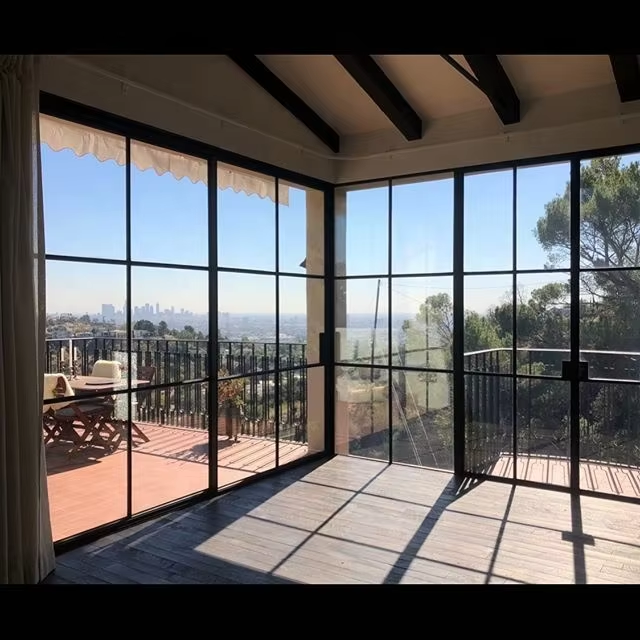
Buyers should expect factory steel windows manufacturers to explain capacity in terms of the specific order, not just a headline number of units per month. Actual output depends on dimensions, design variation, glazing, finish, testing, and the production schedule. Reviewing industrial window glazing systems and commercial building window durability alongside output helps buyers judge whether quoted capacity is relevant to the project.
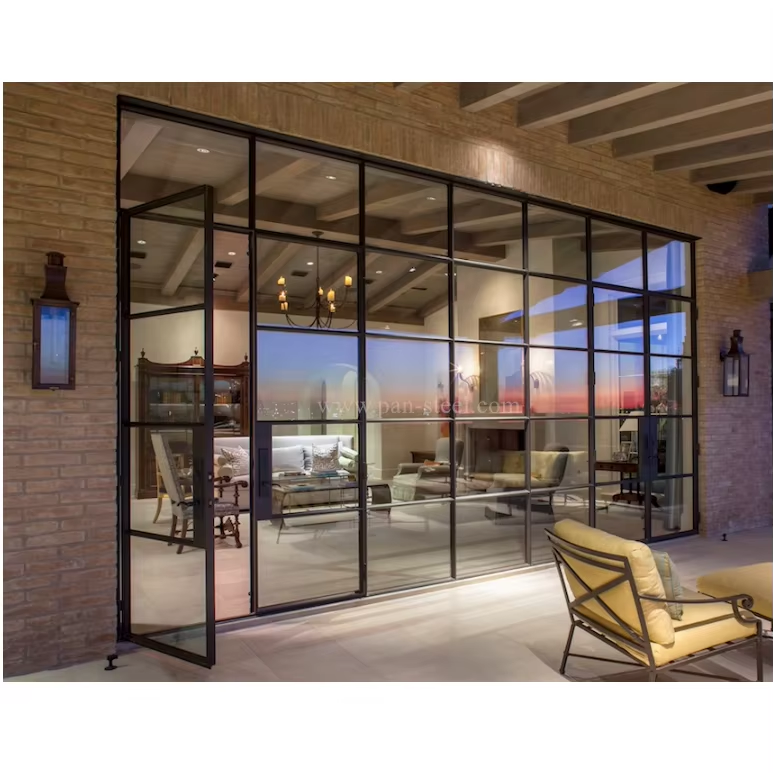
There is no single production figure that suits every factory or project. A useful capacity discussion connects planned quantities and required delivery dates with process steps, available equipment, staffing, and quality checks. Buyers should also understand how industrial window glazing systems, steel frame window installation cost, and commercial building window durability requirements affect the time and resources allocated to their order.
How to interpret a factory capacity claim
Separate theoretical output from order-ready output
A factory may describe capacity as units per shift, month, or year, but these figures may represent ideal conditions and a repeatable design. For a real project, ask how many units can be completed to your drawings, specification, and packing requirements within the proposed production window. Industrial window glazing systems can add handling and assembly stages, while commercial building window durability requirements may call for extra checks.
Ask whether the stated figure includes cutting, welding, frame assembly, surface treatment, glazing, inspection, and packing, or only work at a single station. The distinction matters when comparing quotes. A credible schedule explains the flow between stages and identifies constraints. If glazing is completed separately, confirm how industrial window glazing systems are coordinated with frame output and final inspection.
Match the capacity figure to your specification
A standard casement repeated across a building is generally easier to schedule than a mix of opening types, sizes, colors, and hardware. Request capacity assumptions based on the actual schedule of openings, including special shapes and revisions. Commercial building window durability details, such as hardware selection and finish requirements, can add work that a simple unit count does not show.
The strongest capacity estimate states the quantity, product mix, working calendar, and assumptions behind the lead time. It should also identify when approved drawings and material selections are needed. Ask how industrial window glazing systems influence sequencing and whether packaging is included. These details make the estimate useful for project planning rather than an abstract statement of maximum output.
Factors that change achievable production volume
Design complexity and production routing
Capacity changes when frames require nonstandard profiles, tight tolerances, unusual hardware, or varied opening directions. Each change can affect fabrication setup, assembly, and inspection. Ask the production contact to explain the route for each product family and where batches may wait. A clear routing plan helps connect industrial window glazing systems with fabrication instead of treating glazing as an afterthought.
Material availability and finish selection also influence the schedule. Confirm which specifications are fixed, which remain subject to approval, and how substitutions or late changes are handled. When evaluating steel frame window installation cost, include the practical effect of delivery sequencing, site storage, and access requirements. The quoted factory volume has limited value if completed units cannot arrive in an installation-ready order.
Quality controls are part of capacity, not a separate concern. Checks for dimensions, weld consistency, operation, finish, and glazing integrity take time and may require rework if an issue appears. For commercial building window durability, ask what inspection records are available and how nonconforming items are isolated. A realistic production plan reserves time for these controls rather than assuming every unit passes immediately.
Batch size can affect efficiency, but a large order does not automatically mean faster delivery. Repeated units may support a steady workflow, while phased releases can better match site readiness. Discuss how steel frame window installation cost is affected by phased shipping and whether the factory can keep product identification clear across building zones. Ask for industrial window glazing systems scheduling that reflects both batches and quality release points.
People, equipment, and schedule constraints
Equipment capability matters only when the relevant station is available and staffed for the order. Ask which operations are performed in-house, how shifts are planned, and whether other committed work shares the same resources. The purpose is not to demand confidential utilization data, but to learn whether quoted output is reserved or merely a theoretical ceiling.
Lead time also depends on approvals, purchasing, and transport preparation. Confirm the date from which production time is measured and what buyer actions must occur first. If industrial window glazing systems need project-specific glass or configuration, check when those details must be finalized. For commercial building window durability, confirm that specified finishes and components are included in the material and production schedule.
A useful schedule identifies milestones rather than promising a single completion date without context. Typical milestones include drawing approval, material readiness, first-article review when applicable, production completion, inspection, and dispatch. For larger projects, align those milestones with installation sequencing. This lets the buyer evaluate steel frame window installation cost against the actual delivery plan, including any need for split shipments or temporary storage.
Setting practical expectations for an order
Verify capacity with project-specific evidence
Before committing, send the manufacturer the opening schedule, drawings, finish specification, glass requirements, and target delivery phases. Request a written capacity estimate based on those inputs, with assumptions and exclusions stated plainly. A discussion of industrial window glazing systems should identify who supplies each component and when it must be available to keep the planned sequence moving.
Ask for a production calendar that shows review points and how progress will be reported. Clarify what happens if drawings change, materials arrive late, or a sample needs adjustment. For commercial building window durability, make acceptance criteria explicit before production begins. Clear criteria reduce disagreement about appearance, operation, and inspection at the point when resolving an issue could affect the schedule.
Capacity should also be considered against the complete project cost, not as an isolated factory metric. Steel frame window installation cost can change with delivery batches, unloading arrangements, access limitations, and the amount of coordination required on site. Confirm packaging, labeling, and shipment sequence early. If a product line or project-specific option is under review, assess the factory steel windows details against the approved specification rather than assuming every configuration follows the same production route.
For a dependable expectation, compare the factory’s proposed output with your required quantity, mix, approvals, and site dates. Industrial window glazing systems, commercial building window durability criteria, and steel frame window installation cost all affect what a realistic commitment looks like. Favor a transparent, project-based schedule over an impressive but undefined maximum. That approach gives procurement, construction, and logistics teams a shared basis for decisions.
Use capacity information to manage delivery risk
A buyer can reduce uncertainty by assigning an owner to approvals, tracking unresolved specification items, and reviewing production milestones at agreed intervals. Confirm that revisions are recorded and that released drawings match the units entering fabrication. When industrial window glazing systems involve separate procurement or assembly stages, request updates that show the status of each stage rather than only a general percentage complete.
Plan a reasonable buffer between factory completion and required installation, particularly when site access, inspections, or phased handovers may change. This is not a substitute for a firm schedule; it is a way to manage dependencies openly. Review the expected sequence against steel frame window installation cost and commercial building window durability obligations so delivery decisions support both installation efficiency and the project’s specified service conditions.
FAQ
Can a manufacturer give one monthly output figure for every project?
A monthly figure can be a starting point, but it cannot describe every product mix or specification. Request an order-specific schedule that accounts for industrial window glazing systems and approval milestones, then confirm how that schedule aligns with the required quantity and delivery phases.
What information should buyers provide for a realistic estimate?
Provide drawings, opening quantities, dimensions, finish and hardware choices, glass requirements, and target delivery dates. State any commercial building window durability criteria and ask how changes affect the schedule. These details help the factory estimate work rather than relying on a generic unit rate.
Does higher production capacity guarantee lower project cost?
No. Capacity alone does not determine steel frame window installation cost, because handling, delivery phases, site access, and installation planning also matter. Compare the full project assumptions and confirm that industrial window glazing systems and specified durability checks are included in the proposed scope.