 EN

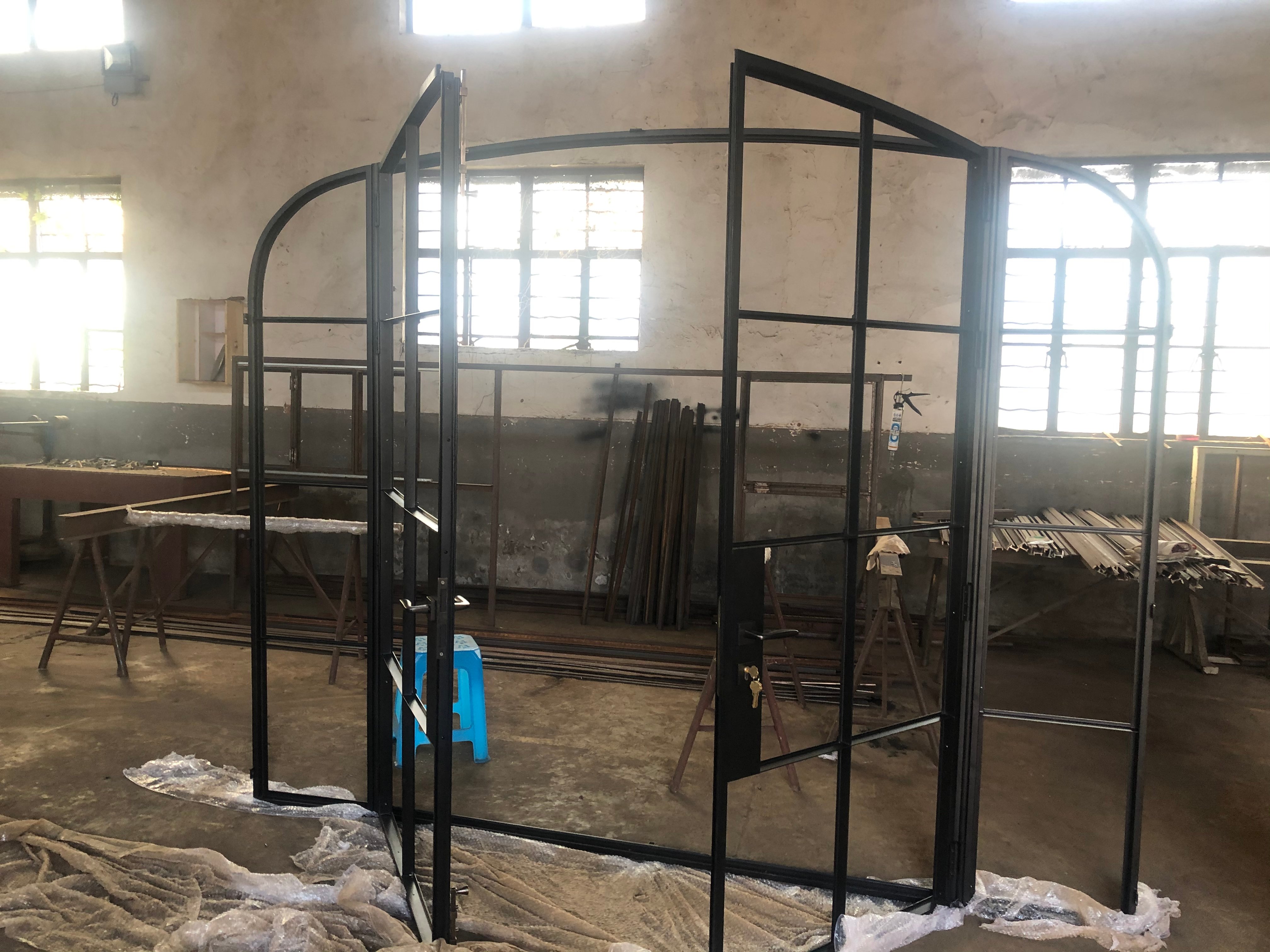
Stainless steel door frames suit applications where moisture, cleaning demands, or frequent use make ordinary frame materials harder to maintain. The best fit depends on exposure, traffic, and the opening’s function. In a project review, compare stainless steel door frames with the specified door leaf, hardware, and wall construction rather than selecting by appearance alone. This helps match the frame to real operating conditions.
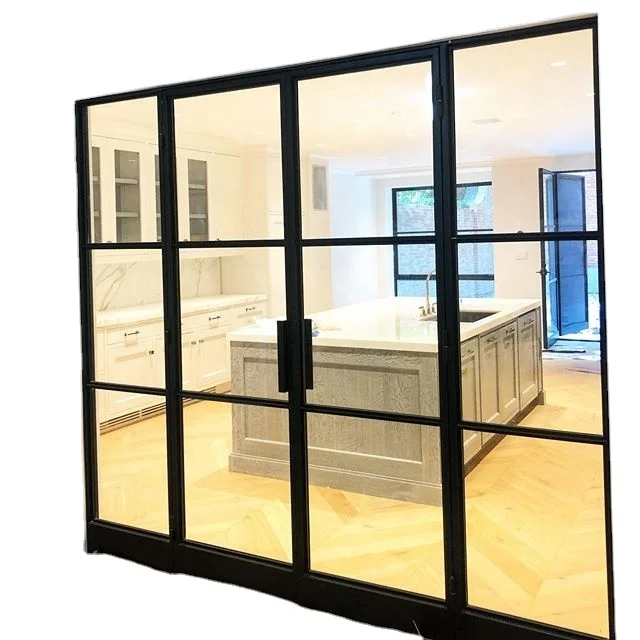
Commonly suitable settings include food preparation areas, healthcare spaces, laboratories, public buildings, and entrances exposed to weather. In each case, stainless steel frame corrosion resistance can support a longer-lasting finish, while the right commercial door frame installation protects alignment and operation. A project team should also assess interior vs exterior door frame specifications, because an indoor washdown room and a wind-driven exterior opening have different demands.
Applications Where Stainless Steel Frames Fit Best
Wet, hygienic, and frequently cleaned spaces
In commercial kitchens, clinical areas, and process rooms, surfaces may face repeated cleaning, splashes, or humid air. Stainless steel frame corrosion resistance makes the material a practical candidate when finish durability matters, although grade, finish, and chemical exposure still need review. During commercial door frame installation, installers should keep joints and edges neat so soil and moisture do not collect around the opening.
These settings also call for coordinated interior vs exterior door frame specifications, even when the opening is indoors. Interior frames need to suit washdown frequency, cleaning agents, and nearby equipment, not merely room temperature. Stainless steel frame corrosion resistance is not a substitute for checking whether a particular cleaner is compatible, and commercial door frame installation should follow approved details for sealants, fixings, and wall interfaces.
High-traffic public and institutional openings
Schools, transport facilities, hospitals, and busy office buildings often have repeated door cycles, trolley contact, and routine maintenance. Stainless steel frames can be considered where the frame is likely to see frequent handling or impact, provided the section and anchorage are appropriate. A sound commercial door frame installation helps keep the frame square, supports dependable latching, and reduces problems caused by poor fit.
Specify the complete opening rather than treating the frame as a standalone item. Interior vs exterior door frame specifications should account for traffic, required clearances, door weight, and hardware loads; stainless steel frame corrosion resistance may be valuable near entrance zones where wet footwear and cleaning water are common. Confirming those conditions early helps commercial door frame installation align with the building schedule and daily use.
Exposure and Specification Factors
Exterior entrances and demanding environments
Exterior suitability depends on actual exposure, not simply on labeling an opening as outdoor. Coastal air, de-icing salts, industrial emissions, and standing water can affect material selection and maintenance needs. Stainless steel frame corrosion resistance varies with grade, surface condition, and environment, so designers should confirm the exposure category before approving a frame. Commercial door frame installation must also account for drainage and weather seals.
For an exterior opening, interior vs exterior door frame specifications should address wind-driven rain, temperature changes, threshold detail, and connection to the facade. Stainless steel frame corrosion resistance can help inform the choice, but compatible fasteners and sound detailing remain essential. The commercial door frame installation documents should identify frame anchorage, perimeter sealing, and any required thermal or moisture interfaces to avoid relying on the metal alone.
Interior openings and finish coordination
Interior locations may benefit from stainless steel where cleaning is frequent, humidity is elevated, or appearance must withstand regular contact. Stainless steel frame corrosion resistance still matters around pool facilities, locker rooms, and service corridors, but the exposure is usually different from a rain-facing entrance. Commercial door frame installation should be coordinated with the wall finish and floor level to prevent awkward transitions.
A useful specification separates the opening’s functional requirements from its visual treatment. Interior vs exterior door frame specifications should state where the frame is located, expected cleaning methods, and the finish standard. Stainless steel frame corrosion resistance does not remove the need for a maintenance plan, while commercial door frame installation must protect finished surfaces and preserve the designed reveal around the door.
Choosing and Installing the Right Frame
Match material and frame design to use
Start with the conditions the opening will face: moisture, chemicals, traffic, impact, and cleaning frequency. Stainless steel frame corrosion resistance can make the material suitable for challenging spaces, but teams should compare the required grade and finish with the exposure instead of assuming all stainless products behave alike. Commercial door frame installation plans should specify dimensions, wall type, anchors, and tolerances before fabrication.
Next, coordinate the frame with the door leaf, hinges, lockset, closer, and access-control equipment. Interior vs exterior door frame specifications may change the required seals, threshold, and hardware arrangement, even when openings look similar. Confirming these interfaces supports a smoother commercial door frame installation and helps avoid field modifications. Stainless steel frame corrosion resistance is most useful when the whole opening is detailed for its environment.
Coordinate installation, inspection, and upkeep
Before fitting, verify the rough opening, substrate condition, frame dimensions, and approved fixing method. A careful commercial door frame installation keeps jambs plumb and head level, checks diagonals, and protects the finish during nearby construction. Interior vs exterior door frame specifications should be available to the installer so the correct sealing and connection details are applied at each location.
After installation, inspect clearances, latching, seal contact, and visible joints. Establish cleaning guidance that suits the finish and avoids unapproved chemicals; stainless steel frame corrosion resistance does not mean the frame is maintenance-free. Record any damage early, since scratches, trapped moisture, or incompatible adjoining metals may require attention. This practical follow-through helps a commercial door frame installation perform as intended throughout routine building use.
FAQ
Are stainless steel frames suitable for every exterior door?
Not automatically. Confirm exposure, grade, finish, weather seals, and anchorage; stainless steel frame corrosion resistance alone cannot determine suitability. Review interior vs exterior door frame specifications with the project conditions before approving the opening.
What should be confirmed before installation?
Check opening dimensions, substrate, hardware, fixing details, and finish protection. A coordinated commercial door frame installation reduces fit issues and clarifies who is responsible for perimeter sealing and inspection.
Are these frames useful in interior washdown areas?
They can be a sensible option where cleaning and humidity are demanding. Select a compatible finish and cleaning method, and specify interior vs exterior door frame specifications according to actual exposure rather than room labels.