 EN

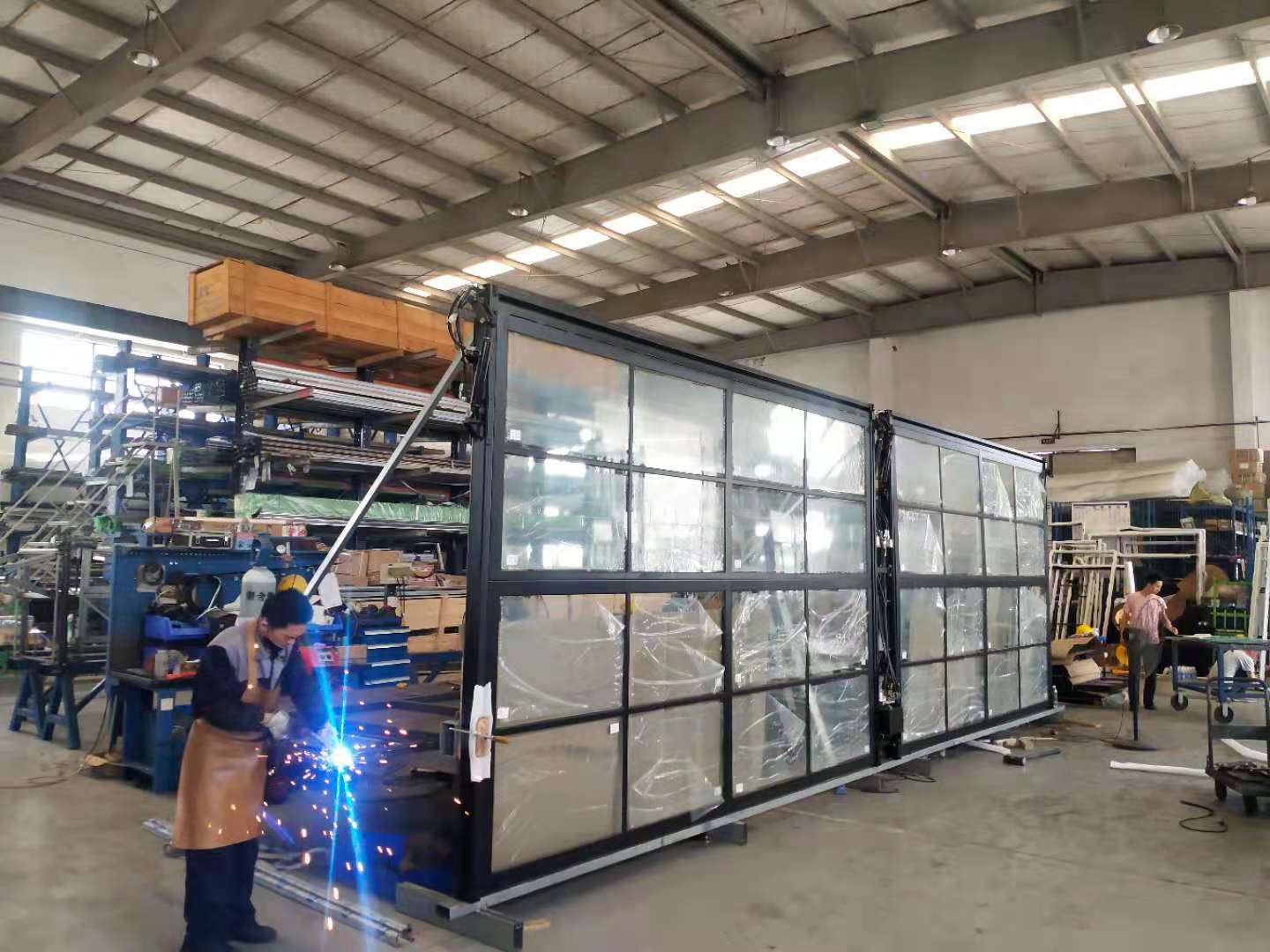
Importing stainless steel window profiles requires more than checking a sample’s appearance. A useful quality review verifies material identity, dimensions, fabrication, surface condition, performance evidence, and the documents tied to the shipment. These checks help buyers compare the ordered specification with the finished product and identify gaps before goods leave the factory.
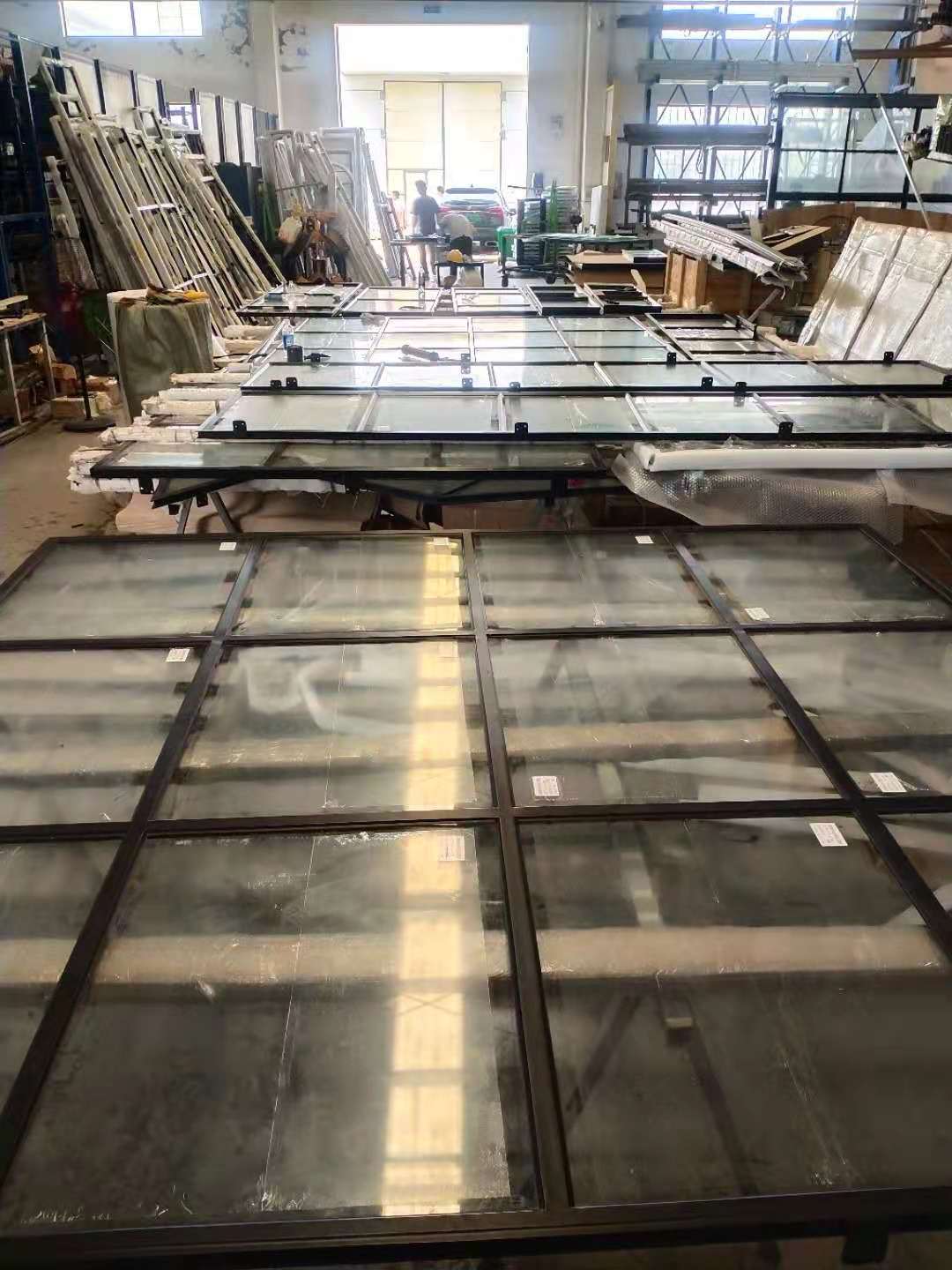
The right criteria depend on the building’s exposure, design, and installation details. A thermal break window installation requires attention to interfaces as well as the frame, while aluminum window frame systems and corrosion resistant window extrusions provide useful comparison points for specification language, not substitutes for steel-specific verification.
Confirm material and design conformity
Verify alloy, grade, and traceability
Start by matching the purchase specification to the material grade, product form, and applicable standard stated in the order. Request mill test documentation or equivalent material records and check that identifiers connect the documents to the actual production batch. This level of traceability matters for stainless steel window profiles because appearance alone cannot establish composition or suitability. For aluminum window frame systems, buyers often examine alloy records too; the document set must still identify the stainless steel used here. Corrosion resistant window extrusions likewise depend on suitable material selection, and a thermal break window installation cannot compensate for an incorrectly specified alloy.
Check drawings and configuration
Review approved drawings for section geometry, wall thickness, corner details, drainage paths, hardware locations, and opening direction. Compare the drawing revision against the order and inspection sample so obsolete dimensions do not pass unnoticed. With stainless steel window profiles, confirm that reinforcement, gaskets, glazing interfaces, and finish callouts agree across documents. A thermal break window installation needs clear interface dimensions and compatible components. Specifications for aluminum window frame systems can illustrate how detailed drawings describe interfaces, while corrosion resistant window extrusions should also have defined geometry and drainage provisions.
Inspect dimensions, fabrication, and finish
Measure critical dimensions and assembly
Set acceptance tolerances before production and identify which dimensions affect fit, sealing, glazing, and hardware operation. At inspection, measure representative sections and assembled units using calibrated tools, then record the results against the approved drawing. For stainless steel window profiles, check straightness, squareness, joint alignment, and consistency between pieces. A thermal break window installation is sensitive to frame interfaces, so assess the relevant mating dimensions rather than relying on nominal sizes. Aluminum window frame systems also require fit checks, and corrosion resistant window extrusions need dimensional control to preserve intended assembly and water-management details.
Assess surface quality and corrosion protection
Agree on the specified surface finish, allowable variation, and inspection method before ordering. Examine visible faces for scratches, dents, staining, rough weld areas, and inconsistent polishing or coating; distinguish cosmetic limits from defects that affect function. Stainless steel window profiles should be handled and packed to avoid contamination or abrasion, with finish requirements documented by surface or component. In a thermal break window installation, damaged interfaces can complicate sealing. Corrosion resistant window extrusions need a finish suited to their environment, while aluminum window frame systems make clear why coating appearance and pretreatment records should be checked separately.
Validate evidence and shipment readiness
Review performance testing and quality records
Ask for test reports that match the product configuration and the relevant project requirements. Depending on the intended use, evidence may cover air leakage, water penetration, structural performance, operating cycles, or thermal properties; confirm the tested specimen resembles the ordered assembly. For stainless steel window profiles, a report for a different size or hardware arrangement may not resolve the project’s risks. Thermal break window installation details influence the assembled system, not simply the material coupon. Aluminum window frame systems and corrosion resistant window extrusions also need evidence tied to a defined configuration, test method, and acceptance criterion.
Control inspection, packaging, and release
Agree on inspection stages, sampling approach, defect classification, and release authority before production is complete. A pre-shipment review can compare quantity, labels, dimensions, finish, and paperwork with the purchase order while there is still time to correct discrepancies. Stainless steel window profiles should be protected from impact, moisture retention, and contact with materials that could mark or contaminate the surface. Confirm that packaging supports the planned transport and site handling. For a thermal break window installation, keep related components identified together; aluminum window frame systems and corrosion resistant window extrusions likewise benefit from lot labels and clear packing records.
FAQ
Which documents should an importer request?
Request the approved drawings, material certificates, inspection results, applicable test reports, finish specification, and packing details. Check that documents identify the product, batch, revision, and test configuration. For stainless steel window profiles, traceability links evidence to the goods. Thermal break window installation records should identify key interface components, while aluminum window frame systems and corrosion resistant window extrusions also need clear, product-specific documentation.
Should every shipment receive the same inspection?
Use a consistent baseline, then adjust inspection depth for product changes, project exposure, prior nonconformities, and the consequence of a defect. Focus sampling on critical dimensions and visible finish, and verify records for each production lot. Stainless steel window profiles with revised drawings or materials warrant renewed checks. For thermal break window installation, confirm interfaces on relevant configurations; aluminum window frame systems and corrosion resistant window extrusions should be checked against their own approved requirements.
Can a sample approval replace production inspection?
No. A sample confirms an agreed reference, but production inspection checks whether the delivered batch conforms to it. Keep the approved sample or records available and compare production units for dimensions, workmanship, finish, and configuration. This is important for stainless steel window profiles when appearance may conceal material or assembly differences. Thermal break window installation relies on coordinated parts, just as aluminum window frame systems and corrosion resistant window extrusions require production-level verification and shipment records.