 EN

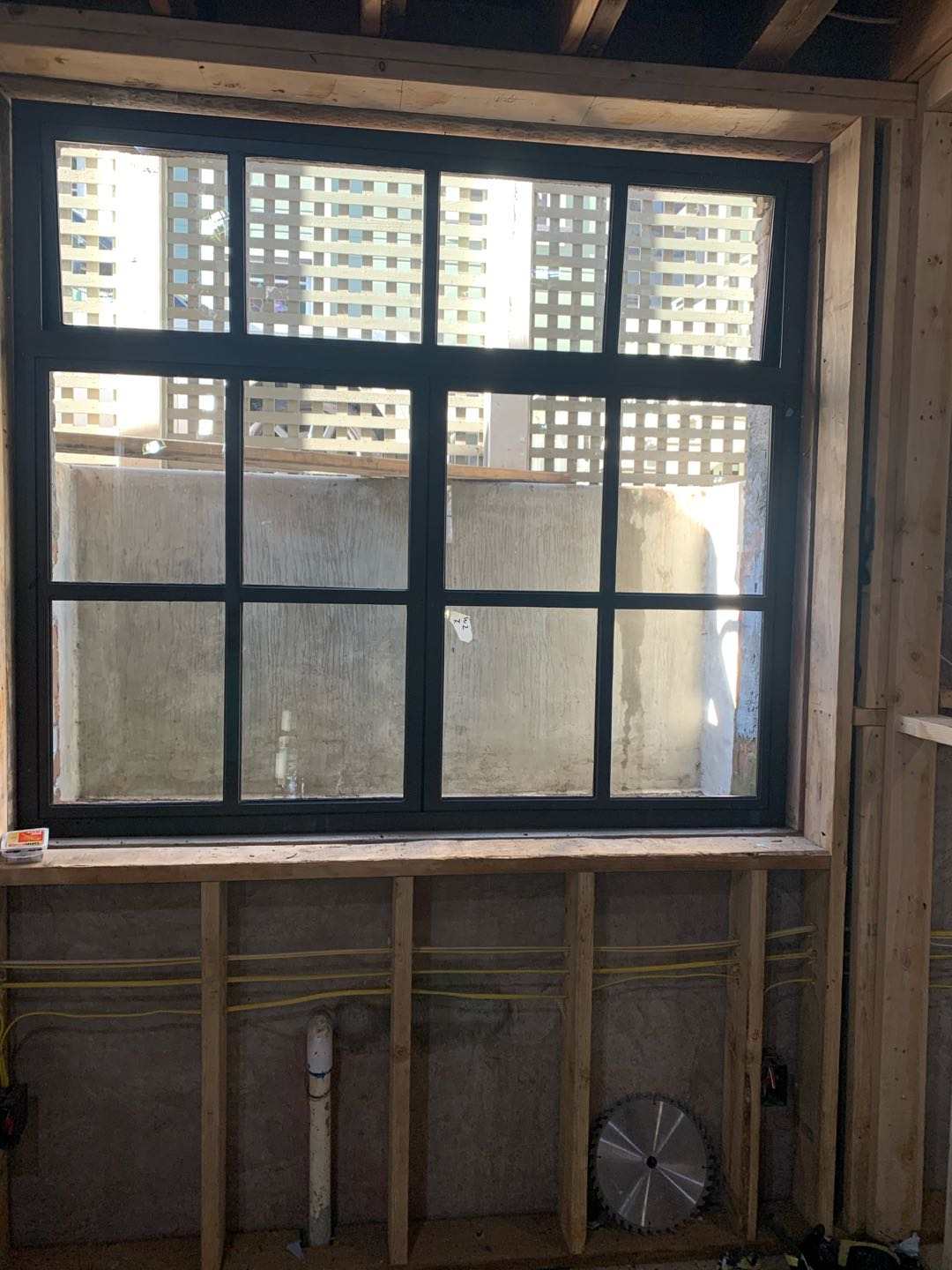
The applications that benefit most from stainless steel window profiles are projects where exposure, service life, and architectural requirements make frame selection especially consequential. Coastal buildings, demanding industrial settings, and high-specification public spaces can all justify evaluating this material. Comparing aluminum window frame systems, weather-resistant window sealing solutions, and modern architectural glazing specifications helps teams identify where stainless steel is a practical fit rather than a default choice.
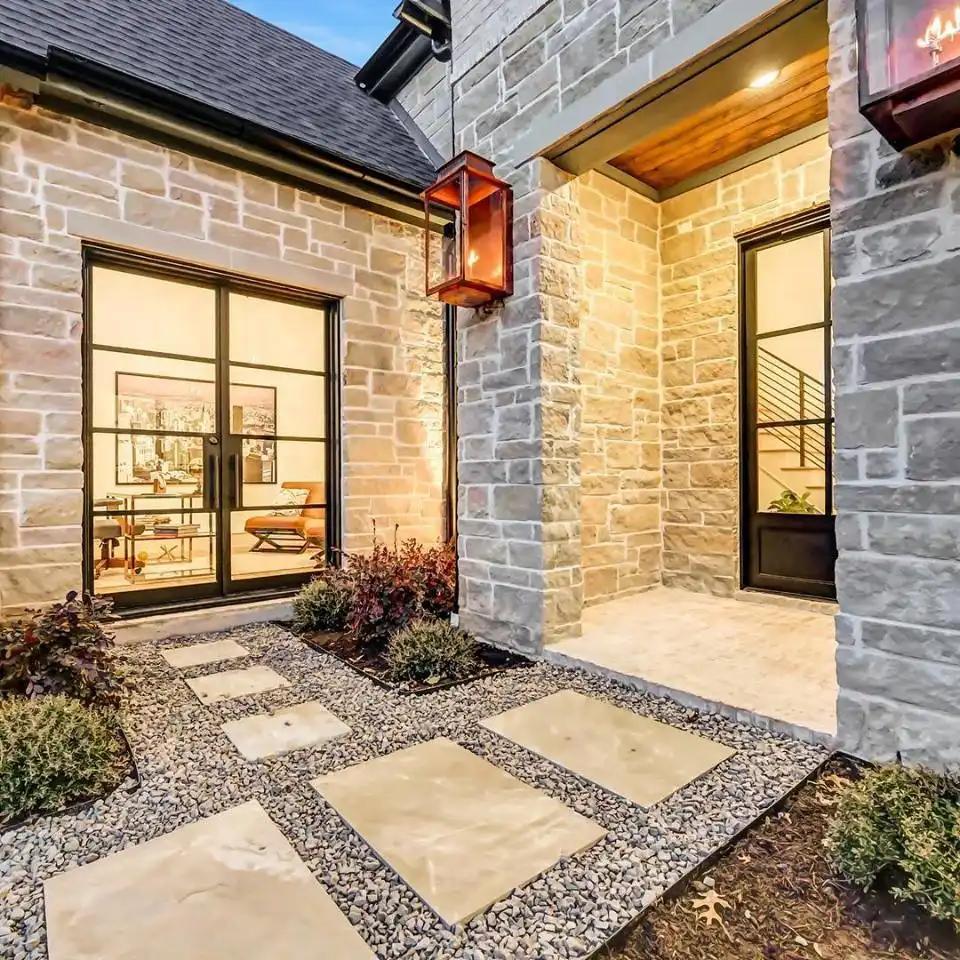
The decision depends on the building’s exposure, design priorities, maintenance plan, and complete window assembly. Stainless steel may be appropriate where durability and a refined metal appearance matter, but project teams should still assess glazing, installation, thermal performance, and sealing as a coordinated system. That review also clarifies when aluminum window frame systems, modern architectural glazing specifications, or weather-resistant window sealing solutions deserve closer comparison.
Exposure-driven project fit
Coastal and persistently humid buildings
Salt-laden air, wind-driven rain, and persistent humidity can place extra demands on exterior window components. In these settings, stainless steel window profiles may suit projects seeking a robust metal frame, provided the specified grade, finish, fabrication, and maintenance plan match actual exposure. Teams should review weather-resistant window sealing solutions alongside the frame, since water management depends on joints and interfaces as well as material choice. This context can distinguish stainless steel from aluminum window frame systems.
A coastal specification needs more than a material label. Designers should consider drainage paths, fasteners, dissimilar-metal contact, cleaning access, and the expected exposure of each elevation. Weather-resistant window sealing solutions can help limit water entry when correctly detailed and installed, while stainless steel window profiles contribute to the chosen exterior assembly. Compare the maintenance implications with aluminum window frame systems and verify that the finish suits the project environment.
Industrial and high-use facilities
Facilities near process areas, transport corridors, or frequent washdown zones may face dirt, moisture, handling, and regular cleaning. Stainless steel window profiles can be considered where the frame must align with a hard-wearing interior or exterior specification. Modern architectural glazing specifications should address the complete opening, including glass, frame movement, cleaning chemicals, and access for inspection. Weather-resistant window sealing solutions remain important where moisture or airborne contaminants could challenge joints.
The facility’s operating conditions should guide the specification, not a broad assumption that one metal suits every industrial building. Confirm the relevant chemical exposure, temperature range, cleaning method, and impact risk with the design team. Compare stainless steel window profiles with aluminum window frame systems on required finish, structural design, and maintenance needs. Include weather-resistant window sealing solutions in the review, because a strong frame cannot compensate for poorly resolved perimeter interfaces.
Design-led and performance-sensitive projects
Architectural projects with visible metal frames
A visible window frame can shape a façade’s proportions and material character. Stainless steel window profiles may fit projects seeking a crisp metal expression in civic, hospitality, commercial, or premium residential settings. Modern architectural glazing specifications establish how the frame relates to sightlines, glass thickness, opening types, and adjoining cladding. Comparing aluminum window frame systems can help teams understand the visual and technical trade-offs without treating appearance as the only selection factor.
For a design-led project, request coordinated samples and review them under realistic lighting beside the proposed glass and façade materials. Confirm whether the selected finish and profile geometry can be fabricated consistently across fixed and operable sections. Modern architectural glazing specifications should define appearance and performance together, including interfaces and tolerances. Where exposure is significant, weather-resistant window sealing solutions should be detailed early, not left to a late-stage substitution.
Projects balancing durability and thermal design
Durability does not establish thermal suitability by itself. Project teams should evaluate frame conductivity, thermal breaks where relevant, glazing performance, condensation risk, and the climate conditions used for design. Stainless steel window profiles must be assessed as part of the complete window assembly, with modern architectural glazing specifications documenting the intended thermal and acoustic criteria. Weather-resistant window sealing solutions help manage air and water at joints, but do not replace thermal analysis.
A useful comparison examines the specified system rather than isolated frame materials. Aluminum window frame systems may offer a familiar basis for comparison, while stainless steel window profiles may answer particular aesthetic or exposure requirements. Review documented test information, installation details, and project-specific calculations before deciding. Modern architectural glazing specifications should record the relevant performance targets, and weather-resistant window sealing solutions should match both the opening design and the expected site conditions.
Application selection and specification checks
Matching the material to building use
The strongest case for stainless steel window profiles usually emerges when several project needs coincide: demanding exposure, frequent use, a visible metal finish, or a maintenance strategy that values robust components. Examples include seafront commercial buildings, institutional entrances, and selected industrial spaces. Modern architectural glazing specifications help confirm whether the frame supports the intended design, while weather-resistant window sealing solutions address the local water and air-control requirements.
Other applications may not need stainless steel. A sheltered office refurbishment with conventional exposure could prioritize cost, thermal detailing, and readily coordinated aluminum window frame systems. A healthcare or food-production facility may place greater emphasis on cleanability and compatible finishes. In each case, weather-resistant window sealing solutions and modern architectural glazing specifications should be developed around the building’s actual operation, not borrowed from a different project.
Verifying details before procurement
Before procurement, align the architect, façade consultant, contractor, and window fabricator on profile sections, finish, hardware, glass, and installation tolerances. Check that stainless steel window profiles are specified with appropriate material and finish information, and that interfaces with adjacent metals are understood. Modern architectural glazing specifications should also state how air, water, and thermal expectations will be verified. These steps make comparisons with aluminum window frame systems more meaningful.
The final review should trace the path of water, air, and loads through the complete opening. Confirm sill drainage, perimeter sealant, anchors, movement allowances, and access for future inspection. Weather-resistant window sealing solutions must work with the selected profile and wall construction, while stainless steel window profiles must be suitable for the exposure and intended finish. Clear responsibilities and coordinated shop drawings reduce ambiguity before installation begins.
FAQ
Are stainless steel frames mainly for coastal buildings?
No. Coastal exposure can make stainless steel window profiles worth evaluating, but industrial, public, and design-led projects may also benefit. The decision should reflect exposure, finish, maintenance, and the whole assembly. Weather-resistant window sealing solutions still need careful detailing, and modern architectural glazing specifications should set measurable project requirements.
How should stainless steel compare with aluminum?
Compare complete systems for appearance, thermal design, structural needs, maintenance, and documented performance. Aluminum window frame systems can provide a relevant reference, but project conditions determine the better fit. Review stainless steel window profiles alongside glazing, installation details, and weather-resistant window sealing solutions rather than choosing from material descriptions alone.
What should the specification include?
Define the frame material and finish, glass, hardware, thermal criteria, drainage, installation interfaces, and verification requirements. Modern architectural glazing specifications should coordinate these decisions with the project team. Include weather-resistant window sealing solutions suited to site exposure and confirm that stainless steel window profiles meet the documented design and maintenance expectations.