 EN

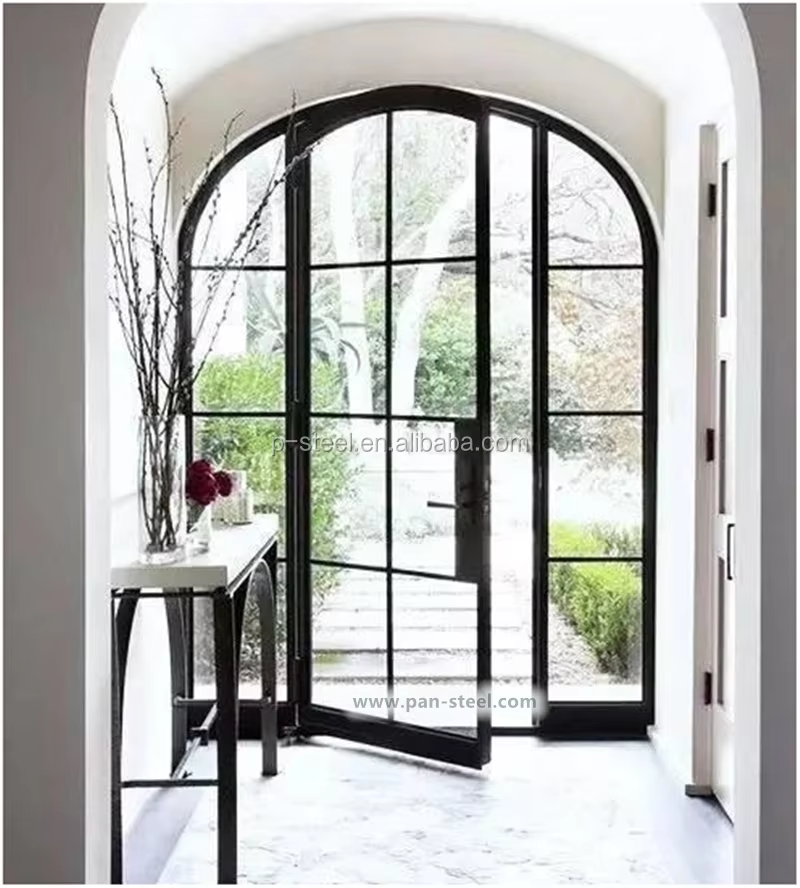
Buying steel casement doors wholesale calls for more than comparing unit prices. Importers need to confirm the intended application, opening configuration, glazing, finish, documentation, and delivery conditions before placing a production order. A clear specification reduces avoidable revisions and helps buyers assess whether the quoted product fits the project and destination market.
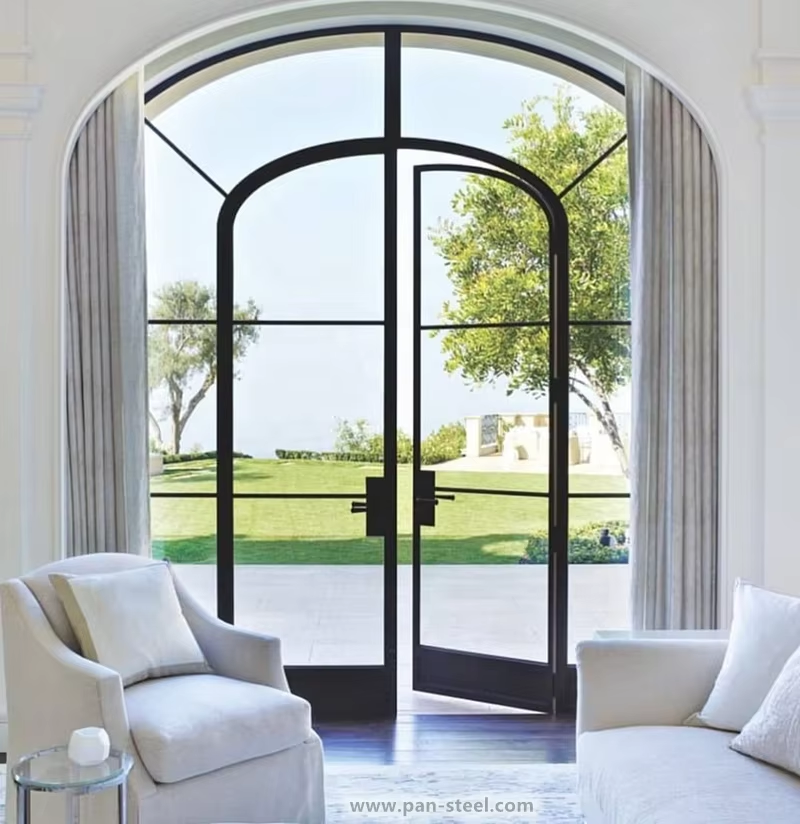
The most useful approach is to treat the purchase as a coordinated system: the door, adjacent commercial steel windows, hardware, glazing, and installation details must work together. Before discussing volume, map out the performance requirements and approval process. That groundwork makes supplier quotations easier to compare and gives your team a sound basis for approving samples and managing shipment risk.
Define the specification before requesting prices
Match the design to the opening and use
Start with the project opening dimensions, wall construction, swing direction, and expected traffic. A hospitality entrance, residential patio, and internal partition have different requirements for access, privacy, and operation. When a project includes commercial steel windows, coordinate sightlines and frame depths so the doors and fixed glazing appear consistent without assuming that one profile suits every opening.
Ask for dimensioned drawings showing frame sections, clear opening, hinge positions, locking points, and threshold details. Confirm which measurements are manufacturing dimensions and which refer to the finished structural opening. If the doors sit beside industrial casement window frames, check how the profiles meet at corners and transitions; small dimensional differences can affect trim, installation tolerance, and the finished appearance.
Specify materials, glazing, and hardware
Request a written breakdown of frame material, section dimensions, glass build-up, finish, and hardware. A product described as steel can still vary in profile, fabrication, and protective coating, so the technical schedule should identify what is actually included. For commercial steel windows and matching doors, confirm whether color, sheen, and coating method are consistent across the complete order.
Clarify glass type and thickness, safety requirements, and any thermal or acoustic targets that apply to the project. Hardware should be specified by function, not just appearance: identify handles, hinges, locks, restrictors, and access-control preparation where needed. Industrial casement window frames in the same order may use different operating hardware, so list each configuration rather than assuming that all units share the same components.
Verify samples, quality, and import requirements
Use samples to approve the details that matter
A sample review should test more than color. Inspect welds, corners, coating coverage, glass edges, hardware alignment, and the smoothness of operation. Compare the sample against approved drawings, and record any accepted variation in writing. When reviewing commercial steel windows, consider a representative corner or profile sample as well as a full operating unit if the design includes multiple frame types.
Ask how production units will be checked against the sample and what inspection records can be supplied. Agree on acceptable appearance tolerances, labeling, and the process for reporting defects before dispatch. Industrial casement window frames can have different dimensions and opening actions from door frames, so inspection criteria should cover each product type rather than applying a single generic check to the shipment.
Check compliance and delivery documentation
Identify the rules that apply in the destination market and project jurisdiction before finalizing the order. Depending on use, requirements may address safety glazing, fire separation, energy performance, accessibility, or product declarations. Ask for relevant test reports and certificates, then verify that their scope matches the proposed configuration. A document for one glass or frame combination may not cover a modified specification.
Agree on the commercial terms, production lead time, packing method, shipment marks, and documents needed for customs clearance. Confirm who arranges freight, insurance, and any required export paperwork, and build time for document review into the project schedule. For commercial steel windows shipped with doors, request a packing plan that identifies each opening and protects finish surfaces and vulnerable corners during handling.
Control landed cost and installation readiness
Assess the full cost of the order
A low ex-works price does not show the total amount required to receive and install the goods. Include packaging, inland transport, international freight, insurance, duties, brokerage, port charges, local delivery, and any storage costs that could apply. Compare quotations on the same delivery basis and specification. This is especially important when industrial casement window frames and doors are quoted as separate line items with different packing or freight assumptions.
Check the minimum order quantity, spare-parts policy, deposit schedule, balance-payment trigger, and terms for approved changes. Ask whether replacements for damaged or incorrect components are handled through credit, reshipment, or another agreed process. Document these points in the purchase order. A complete landed-cost review also accounts for steel door weatherproofing and seals, since missing or incompatible sealing components can create extra sourcing and installation work.
Prepare for installation and after-delivery checks
Before dispatch, confirm that the site team has current drawings, installation guidance, fixing details, and an agreed plan for receiving and storing the units. Confirm that the opening is ready and that suitable lifting equipment is available for the shipment. For steel door weatherproofing and seals, identify the supplied components, their locations, and how they are fitted; do not assume that a general product description explains the full installation method.
At delivery, inspect packaging before unloading and record visible damage while the carrier is present, following the agreed freight procedure. Match labels and quantities to the packing documents, then check critical dimensions and hardware before installation. Industrial casement window frames should be checked for handing and operating direction as well as size. Keep the approved drawings and inspection notes available so discrepancies can be resolved against the order record.
FAQ
What should an importer include in a wholesale specification?
Include dimensions, opening direction, frame profile, glass build-up, finish, hardware, thresholds, and applicable compliance needs. Identify each unit and its location, including related commercial steel windows, so the quotation, drawings, and packing schedule refer to the same configuration.
How can buyers assess steel door weatherproofing and seals?
Request details on seal material, placement, threshold design, and installation instructions, then compare them with project exposure and the door configuration. Confirm the supplied scope in writing; steel door weatherproofing and seals must be compatible with the frame and operating hardware rather than treated as an unspecified accessory.
When should an importer approve production?
Approve production only after drawings, specifications, samples, commercial terms, and required compliance documents have been reviewed by the responsible project team. Check that industrial casement window frames, doors, and associated commercial steel windows match the approved schedule, and retain a signed record of accepted changes before releasing the order.