 EN

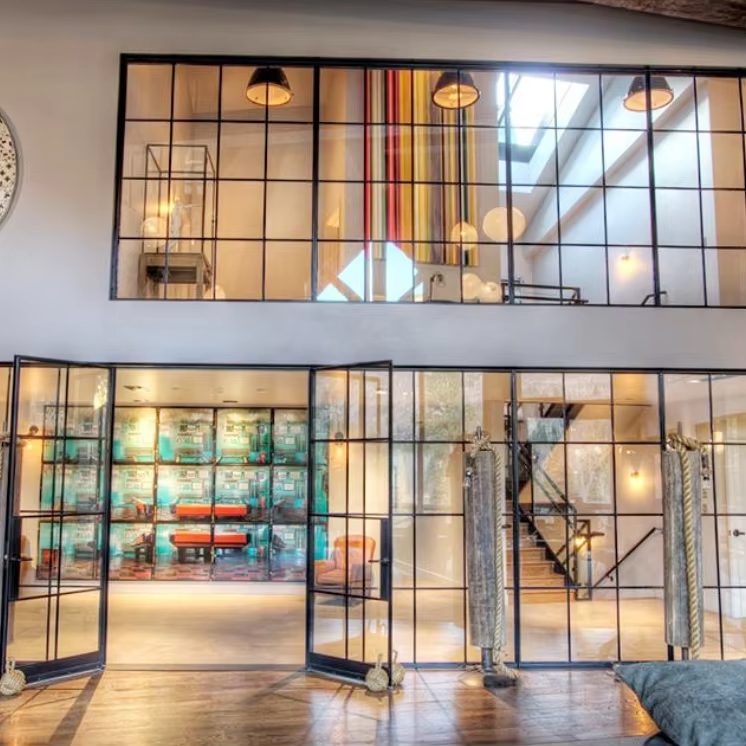
Choosing frame materials for steel casement doors means balancing strength, operating weight, thermal behavior, corrosion resistance, and the demands of the opening. The right choice depends on building exposure and use, not simply the frame’s appearance. Commercial steel window frames can support a slim profile, while weatherproof steel door seals and compatible hardware help the assembly perform as intended.
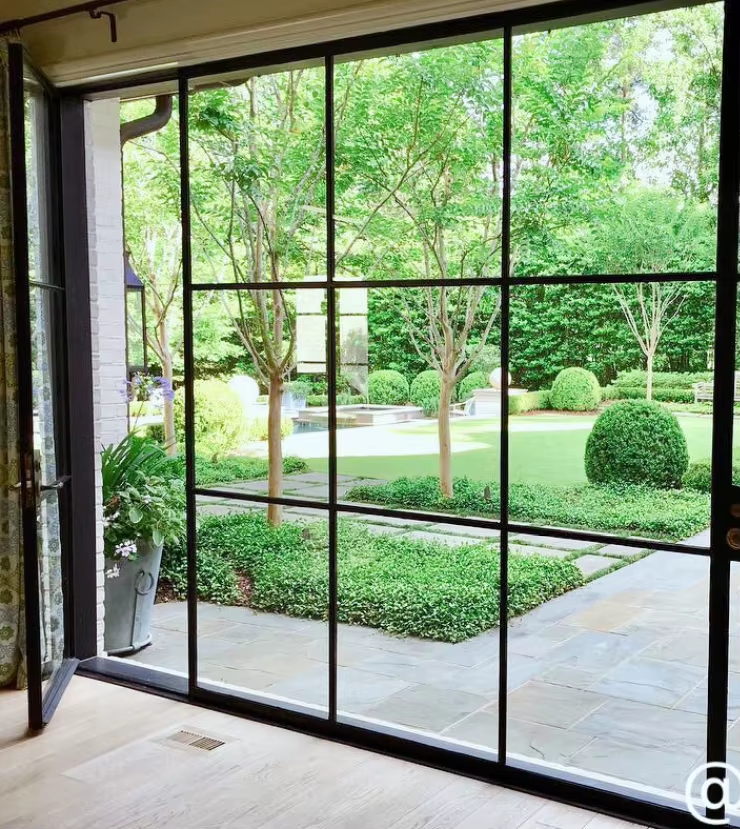
In practice, material selection and detailing work together. A frame that is sufficiently rigid must still suit the wall, glazing or panel configuration, and expected operating cycles. Industrial casement door installation also affects alignment and sealing, so evaluate frame construction alongside the site conditions rather than treating material as an isolated specification.
Frame materials and their performance effects
Steel composition, section design, and rigidity
Steel is valued in door frames for its strength and ability to form narrow sections, but the exact performance depends on the steel grade, wall thickness, reinforcement, and profile geometry. Commercial steel window frames may use different section designs for different spans and loads. For steel casement doors, a well-considered profile limits unwanted movement while preserving space for hardware and seals.
A stronger-looking section is not automatically the best choice: excess mass can increase demands on hinges, pivots, and supporting construction. Assess the complete leaf-and-frame assembly, including the expected opening frequency. During industrial casement door installation, fixing points must transfer loads into suitable substrate; even robust steel can underperform if the frame is poorly supported.
Thermal behavior and corrosion protection
Steel conducts heat more readily than many insulating materials, so the frame’s thermal design matters where indoor comfort and energy use are priorities. Commercial steel window frames can incorporate thermal breaks or other separation details, subject to the system design. These measures influence condensation risk and should be considered together with glazing, wall insulation, and weatherproof steel door seals.
Coatings and preparation influence how steel withstands moisture, pollutants, and routine cleaning. Specify a protective finish suitable for the exposure, paying attention to edges, joints, and areas that may be damaged during handling. For coastal, wet, or industrial locations, assess maintenance access and repair procedures too. Weatherproof steel door seals cannot compensate for corrosion that compromises contact surfaces or frame integrity.
Selection criteria for the building and opening
Match the frame to exposure and use
Start with the conditions the door will face: wind-driven rain, temperature variation, airborne contaminants, and frequency of use. Commercial steel window frames should be assessed against the opening size, surrounding construction, and the required finish. In exposed locations, weatherproof steel door seals and corrosion protection deserve particular attention because water paths and surface damage can affect long-term service.
For a frequently used entrance, consider leaf weight, hinge capacity, latch engagement, and access needs as a connected system. Industrial casement door installation should preserve clearances for smooth movement while maintaining consistent contact at the jamb and threshold. A frame chosen for a low-traffic internal opening may not suit a demanding exterior doorway, even when both are steel.
Balance insulation, strength, and maintenance
Where thermal comfort is important, compare frame details rather than relying on the material name alone. Commercial steel window frames with a considered thermal break may suit projects seeking a steel aesthetic with reduced heat transfer. Confirm that the selected details remain compatible with the door hardware and weatherproof steel door seals, since each component affects the assembly.
Maintenance requirements should also inform selection. A durable coating, accessible hardware, and replaceable seals can make routine care more manageable. Ask how the finish is repaired and how seals are inspected or changed. Weatherproof steel door seals are consumable components, so their profile and availability matter; industrial casement door installation should leave them correctly seated without excessive compression.
Installation details that preserve material performance
Coordinate anchoring, alignment, and hardware
The frame must be anchored to a stable opening with fixing methods suited to the substrate and anticipated loads. Industrial casement door installation should verify plumb, level, squareness, and diagonal measurements before final tightening. Commercial steel window frames rely on accurate positioning too, because distortion can interfere with leaf movement, latch alignment, and the even contact needed at the seals.
Hinges and locks should be selected for the door’s dimensions and operating duty, then aligned with the reinforced portions of the frame. Confirm that fasteners do not obstruct drainage paths or damage protective finishes. For steel casement doors, careful handling during installation helps prevent scratches and dents that could expose steel, while measured adjustment supports reliable operation.
Complete the weather seal as a system
Sealing depends on continuous contact around the perimeter, suitable corner transitions, and a threshold detail that manages water. Weatherproof steel door seals should match the frame groove and the expected movement of the leaf. Industrial casement door installation needs to avoid gaps, twists, or over-compression, which can weaken closure or make the door harder to operate.
After fitting, test the door through its full swing and check the latch, clearances, and seal contact at multiple points. Commercial steel window frames and doors should be inspected after adjacent construction is complete, since movement or finishing work can affect alignment. Record maintenance guidance for coating touch-ups and seal replacement. This final review connects material choice to dependable day-to-day function.
FAQ
Which frame material is suitable for an exterior casement door?
Steel can suit exterior use when its section design, protective finish, and exposure rating are appropriate. Compare commercial steel window frames with the opening requirements, and verify that the frame works with the specified seals and hardware.
Do frame materials affect door sealing?
Yes. Frame rigidity and accurate installation influence how consistently the leaf meets the seals. Weatherproof steel door seals need compatible contact surfaces and correct adjustment; they cannot correct a distorted frame or poor installation.
What should be checked during installation?
Check anchoring, frame alignment, clearances, hardware operation, and continuous seal contact. Industrial casement door installation should finish with an operating test and a maintenance review so the assembly can be monitored after handover.