 EN

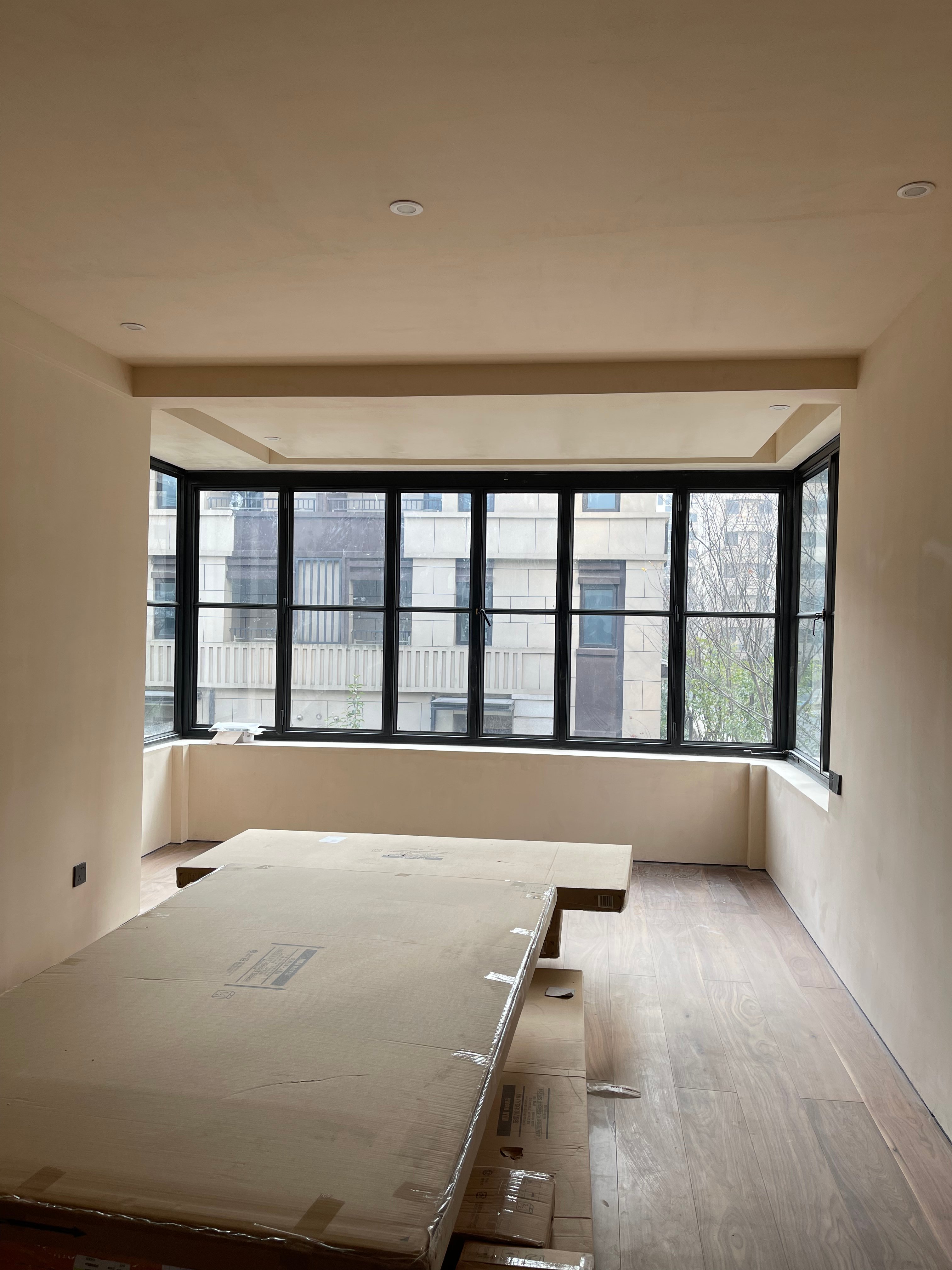
Choosing a finish for stainless steel window profiles is both a design decision and a practical specification choice. The finish affects appearance, cleaning needs, resistance to visible marking, and how the frame coordinates with adjacent materials. Project teams comparing aluminum window frame systems or reviewing weatherproof window sealing solutions should also consider the building’s exposure, intended maintenance, and overall envelope design.
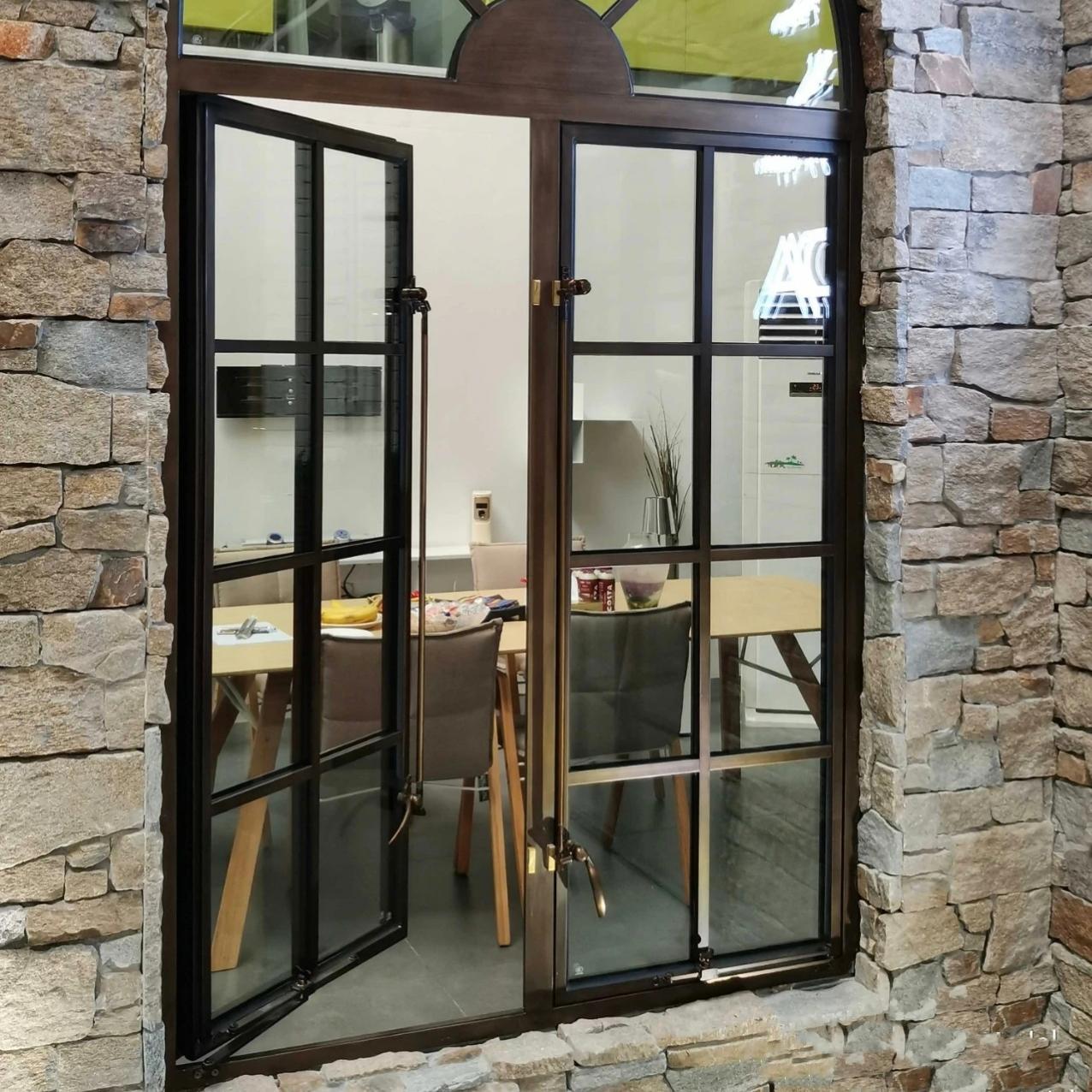
The main options include brushed, polished, bead-blasted, and coated surfaces, with the right choice depending on the desired visual effect and service conditions. Stainless steel window profiles can be specified with different textures and reflectivity levels, but a finish does not replace suitable drainage, seals, or installation details. Understanding these options helps architects, fabricators, and project buyers make a specification that works as a complete window system.
Common Surface Finishes and Their Appearance
Brushed finishes for controlled reflectivity
A brushed finish has fine, directional lines that give a frame a restrained metallic appearance. It is often considered where glare from a highly reflective surface would distract from a façade or interior. When comparing aluminum window frame systems, a brushed stainless surface may offer a different visual character, so samples should be viewed beside the actual cladding and glazing rather than judged from a small screen image.
The direction and consistency of the grain matter, especially where long jambs, heads, or mullions meet. Stainless steel window profiles with a consistent brushed texture can create a clean, continuous impression, while mismatched grain direction may make adjoining pieces look like different materials. Specify a common finish reference and ask for a representative sample; weatherproof window sealing solutions should be coordinated with the frame without covering drainage routes or changing the visible edge detail.
Polished and textured finishes
Polished surfaces reflect more light and can make a narrow frame appear crisp and bright. The degree of polish varies, so the specification should distinguish the intended level of reflectivity instead of relying on a general description. Stainless steel window profiles in a polished finish may show fingerprints, water spots, and fine scratches more readily than a low-sheen texture, which can affect suitability for frequently touched or exposed locations.
A bead-blasted or otherwise textured finish diffuses light and gives the surface a more uniform, matte look. It can suit contemporary façades where a quiet finish is preferred, but the texture should be evaluated for cleaning access and consistency across fabricated parts. For aluminum window frame systems and stainless assemblies alike, weatherproof window sealing solutions need to be selected independently of surface texture; a matte face does not establish a watertight joint. Thermal break window technology is a separate system consideration, not a surface treatment.
Coatings, Exposure, and Maintenance
When a coating changes the specification
A color coating can help align a frame with a façade palette or create a deliberate contrast. Coating options and processes vary, so the project team should confirm the substrate preparation, finish consistency, repair approach, and suitability for the expected exposure. Stainless steel window profiles may be supplied with a natural metallic look or a colored surface, but the selected appearance should be documented through approved samples and clear acceptance criteria.
Do not assume that every coating has the same durability or maintenance profile. Ask the fabricator for relevant care guidance and clarify how edges, corners, and cut components will be treated. If aluminum window frame systems are also used on the project, evaluate both materials under the same lighting and design conditions rather than assuming their colors will match. Include weatherproof window sealing solutions in the interface review, because sealant compatibility and joint geometry are not determined by the frame color.
Matching finish to site conditions
Exposure influences both the finish choice and the cleaning plan. Coastal air, industrial deposits, frequent handling, and sheltered interiors present different maintenance demands; the project specification should reflect the actual location rather than a broad label such as exterior use. Stainless steel window profiles should be cleaned using methods appropriate to the material and finish, avoiding abrasive tools or unapproved chemicals that could alter the appearance.
A finish can make ordinary marks more or less noticeable, but it cannot compensate for neglected cleaning or poor water management. Provide access for routine inspection, keep drainage openings clear, and ensure dissimilar materials are considered at contact points. Weatherproof window sealing solutions should be checked for continuity and compatibility, while thermal break window technology should be reviewed for the building’s energy and condensation requirements. These are related specification decisions, yet each addresses a different part of window performance.
Specification and Coordination for Project Teams
Define samples and acceptance criteria
A useful finish specification names the surface type, appearance, and any applicable reference standard or supplier finish designation. It should also identify where the finish applies, how adjoining components are to align, and how visible variation will be reviewed. Stainless steel window profiles can look different under daylight, artificial lighting, and changing viewing angles, so evaluate full-size or suitably representative samples in the intended setting.
Record the approved sample and establish a process for reviewing production pieces before installation. This helps identify differences in grain direction, gloss, color, or texture while correction is still manageable. If aluminum window frame systems are part of the same façade, approve their samples alongside the stainless components. Confirm that weatherproof window sealing solutions remain compatible with the final detail and that thermal break window technology is coordinated with the selected frame build-up.
Coordinate the finish with the complete window assembly
Surface appearance is only one part of a functioning window. The frame, glazing, gaskets, sealants, drainage paths, fixings, and installation interfaces all need review as an assembly. Stainless steel window profiles should be selected with attention to section geometry and the project’s thermal strategy, rather than treated as a decorative strip independent of the opening. Thermal break window technology may be relevant where limiting heat transfer through the frame is a design objective.
Resolve transitions at corners, sills, and adjoining cladding before fabrication. A carefully chosen finish can still disappoint if joints collect dirt, water remains trapped, or exposed fasteners interrupt the intended visual line. Coordinate aluminum window frame systems with stainless elements through drawings and physical samples, and review weatherproof window sealing solutions at each interface. Thermal break window technology, drainage, and finish selection should be documented as distinct requirements that work together in the final installation.
FAQ
Which finish is easiest to maintain?
Maintenance depends on exposure, handling, and the chosen surface texture, so no finish is universally easiest. A low-sheen brushed surface can make some marks less prominent, while polished surfaces may show fingerprints or water spots more clearly. For stainless steel window profiles, follow the specified cleaning guidance and keep weatherproof window sealing solutions and drainage paths clear during routine care.
Can stainless steel frames be matched to other façade systems?
Yes, but visual coordination should be confirmed with samples under representative lighting. Compare stainless surfaces directly with aluminum window frame systems and adjacent cladding, because differences in reflectivity and texture remain visible even when colors seem similar in a drawing. Weatherproof window sealing solutions should also be reviewed at the material junction.
Does the surface finish provide thermal insulation?
No. A surface finish primarily changes appearance and surface characteristics; it does not by itself provide thermal separation. Discuss thermal break window technology as part of the frame design, then coordinate it with the glass, seals, and installation detail. Weatherproof window sealing solutions address air and water control, a separate function from thermal breaks.