 EN

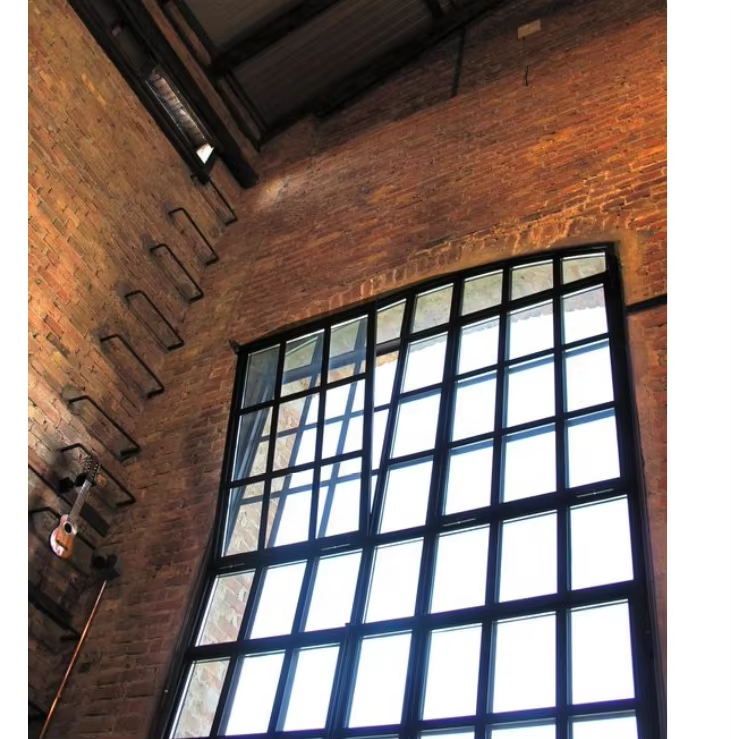
Thermal performance has become a critical consideration in modern building design, and architectural steel windows play a central role in determining overall energy efficiency and occupant comfort. When selecting and installing architectural steel windows, understanding which thermal features deliver measurable performance is essential for both new construction and renovation projects. Steel window frames offer distinctive aesthetic and structural advantages, but their thermal characteristics require careful attention during design and specification phases to ensure compliance with building codes and energy standards.
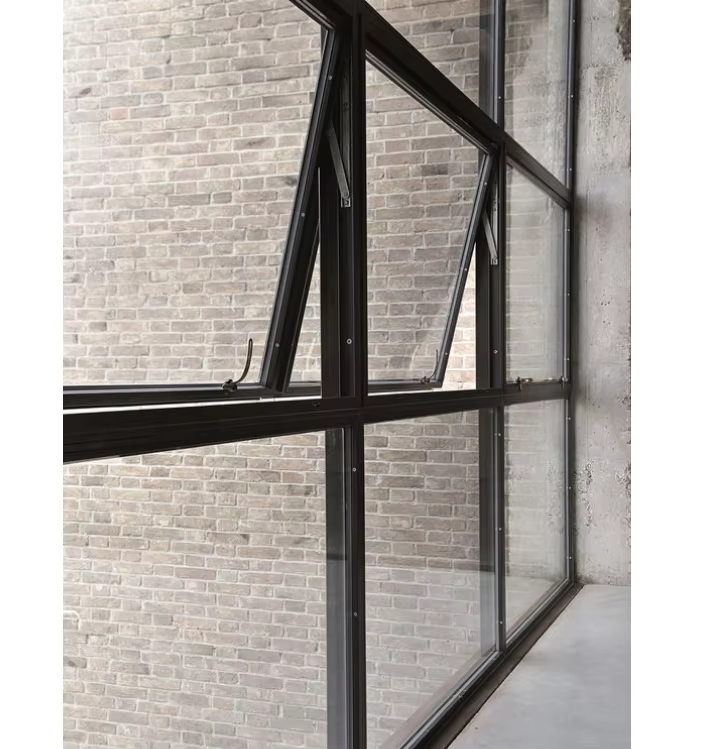
The thermal performance of architectural steel windows depends on multiple interrelated factors that span from material composition to installation methodology. Steel conducts heat readily, making thermal break technology and frame design essential strategies for reducing unwanted heat transfer. Modern steel window design and aesthetics increasingly incorporate advanced thermal solutions without compromising the clean lines and industrial character that architects value. Understanding how these features work together allows building professionals to make informed decisions that balance performance, cost, and design intent.
Thermal Break Technology and Frame Design
Understanding Thermal Breaks in Steel Frames
Thermal breaks are physical separations within steel frames that interrupt the direct conduction pathway between interior and exterior surfaces. These breaks, typically made from polyamide or polyurethane materials, create an insulating layer that significantly reduces heat transfer through the frame itself. Without thermal breaks, steel frames would serve as thermal bridges, allowing outdoor temperatures to influence indoor climate regardless of window glazing performance. Modern architectural steel windows incorporate thermal breaks as a fundamental design principle rather than an optional upgrade. Steel window frames and installation practices now routinely specify break dimensions and materials that meet or exceed energy code requirements for both residential and commercial applications.
Glazing Integration with Thermal Performance
The glazing unit mounted within steel window frames represents the largest surface area and greatest heat transfer opportunity in any window assembly. Insulated glazing units with low-emissivity coatings, argon gas fills, and optimized spacer bars work synergistically with thermal break frame design to minimize overall thermal transmittance. Steel frames allow thinner sightlines than other materials, enabling architects to specify larger glass areas without proportionally increasing the frame-to-glass ratio. This design advantage, central to modern steel window design and aesthetics, must be balanced with proper thermal performance of the frame itself to avoid creating weak points in the building envelope.
Installation Practices and Thermal Continuity
Proper Installation and Thermal Sealing
Even the most advanced thermal break design in steel window frames cannot perform effectively without proper installation that maintains thermal continuity through the entire building envelope. Steel window frames and installation protocols must address air sealing, moisture management, and thermal bridging at the perimeter interfaces where the frame meets the wall assembly. Installers must create continuous insulation planes that prevent warm interior air from reaching cold surfaces where condensation could form. Professional installation practices include gasket positioning, sealant selection, and flashing details that collectively determine real-world thermal performance. Thermal performance failures often originate from installation oversights rather than inherent deficiencies in frame or glazing design.
Seasonal Thermal Stress and Frame Movement
Steel exhibits measurable thermal expansion and contraction with temperature fluctuations, requiring careful consideration in frame design and installation. Proper drainage and ventilation of the frame cavity prevent moisture accumulation that could accelerate thermal degradation or corrosion. Commercial building facade systems incorporating steel window frames must accommodate these movements through flexible sealants and appropriate tolerance stackups. Quality installations account for the full range of seasonal temperature swings and ensure that frame components move freely without binding or compromising seals. This attention to thermal stress management becomes especially important in climates with large diurnal temperature variations or extreme seasonal changes.
Commercial and Architectural Applications
Commercial Building Facade Systems Performance
Commercial building facade systems demand consistent thermal performance across large surface areas and varying exposure conditions. Architectural steel windows within these systems must deliver predictable thermal transmittance values that contribute to whole-building energy modeling and certification efforts. The repeatability and quality control available from modern steel window frames and installation methodologies make them increasingly attractive for high-performance commercial projects. Thermal performance data becomes part of specification packages, allowing designers to verify that selected products meet energy code requirements and performance targets. Many commercial projects now require thermal imaging or blower door testing to validate that installed architectural steel windows achieve specified performance levels.
Integration with Building Systems
Modern steel window design and aesthetics must integrate with building management systems that monitor and optimize thermal performance across the entire facility. Operable architectural steel windows allow natural ventilation strategies that reduce reliance on mechanical systems while maintaining thermal control. Coordinating thermal performance of these windows with automated blinds, shading systems, and ventilation controls enables comprehensive building envelope management. The slim profile and robust construction of steel window frames allow integration with sophisticated control systems that adjust thermal properties dynamically based on weather conditions and occupancy patterns. This systems-level approach to thermal performance represents the direction of contemporary commercial architecture.
FAQ
What thermal transmittance values should I specify for architectural steel windows?
Thermal transmittance values for architectural steel windows should align with your local energy codes and project performance targets. Standard thermal break steel frames typically achieve U-values between 0.25 and 0.35 depending on glazing selection and frame geometry. High-performance configurations incorporating advanced thermal breaks and triple glazing can reach U-values below 0.20, though cost implications increase significantly. Consult your building code requirements and consider climate zone, occupancy type, and building exposure to determine appropriate thermal specifications for your project.
How does proper installation affect thermal performance of steel window frames?
Installation quality directly determines whether specified thermal performance materializes in the finished building. Improper air sealing, inadequate insulation at frame perimeters, and misaligned gaskets can reduce effective thermal performance by 20 percent or more compared to laboratory test ratings. Professional installation following manufacturer specifications and industry best practices ensures that thermal continuity extends from the frame throughout the building envelope interface. Regular quality inspections during construction catch installation defects before they compromise thermal performance and building durability.
Can architectural steel windows meet high-performance energy standards?
Yes, modern architectural steel windows with thermal break technology and advanced glazing can meet or exceed high-performance energy standards including Passive House requirements in some climates. The slim frames and aesthetic characteristics of steel window design and aesthetics have made them increasingly popular in high-performance and net-zero projects. Achieving these standards requires attention to thermal break design, glazing selection, installation quality, and integration with the overall building envelope strategy. Designers should work with manufacturers to verify that specific products and configurations meet the thermal performance targets established for their projects.