 EN


Selecting the right glass system for architectural steel windows is a critical decision that directly affects building performance, aesthetics, and long-term operational costs. The compatibility between glass specifications and steel window frames goes beyond simple glazing installation. It encompasses load-bearing capacity, thermal expansion properties, frame depth limitations, and adherence to design standards that govern modern construction projects.
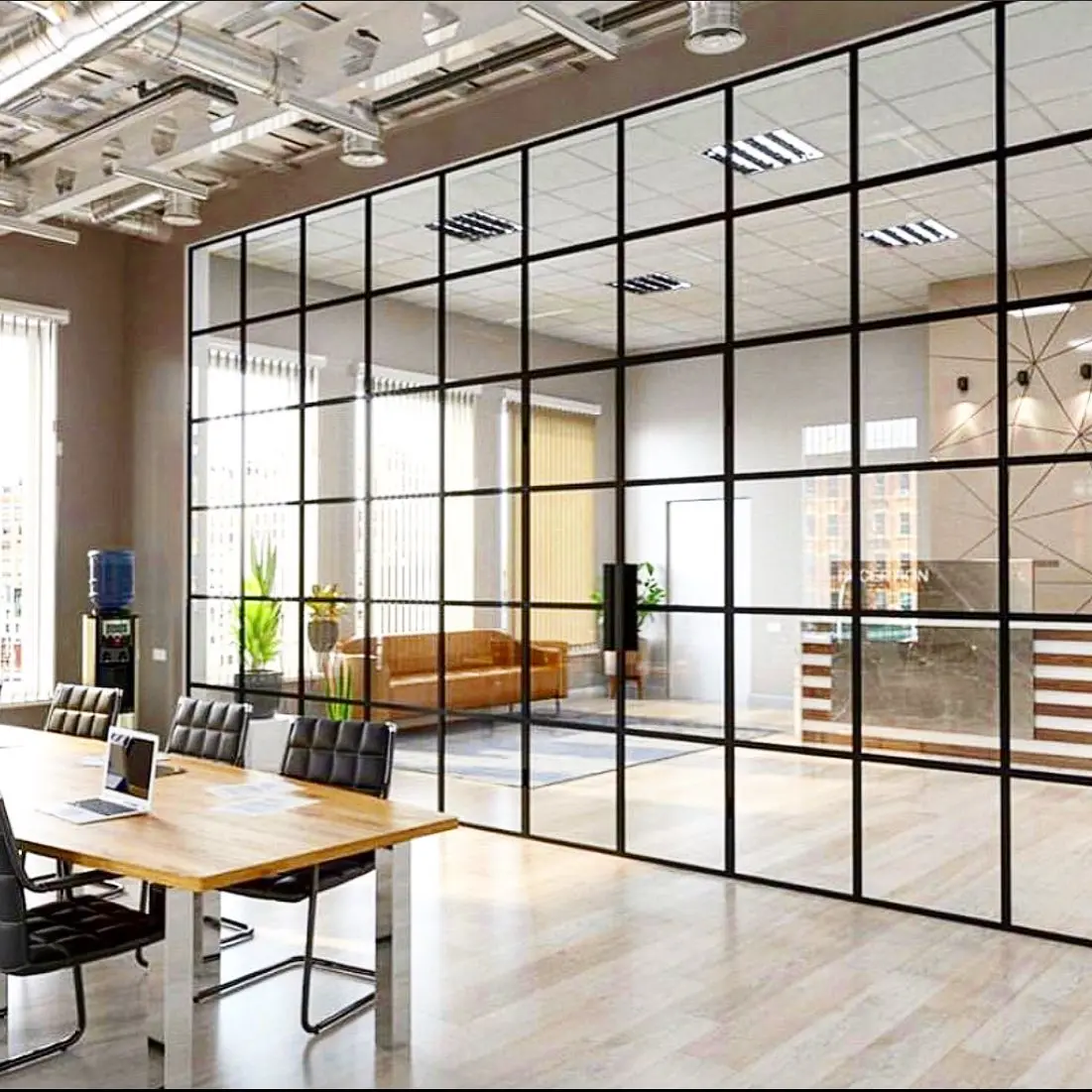
Understanding glass compatibility ensures that your architectural steel windows deliver the intended thermal performance, structural integrity, and visual appeal. Whether you are specifying windows for a commercial facade, industrial renovation, or heritage restoration project, the interplay between glass type and steel window frames must align with both your project goals and regulatory requirements. This guide examines the key compatibility factors that engineers, architects, and facility managers need to evaluate.
Glass Type Selection and Frame Compatibility
Monolithic and Laminated Glass Considerations
Monolithic tempered glass represents the most straightforward compatibility choice for architectural steel windows. These single-pane units offer clear sightlines and minimal frame obstruction, making them ideal for applications where aesthetic purity is paramount. However, tempered glass introduces rapid stress upon edge contact during installation, so steel window frames must feature precision-machined glazing grooves and proper cushioning materials to prevent thermal shock and edge failure.
Laminated glass systems provide superior safety and acoustic performance, but they demand stronger structural support from steel window frames. The interlayer in laminated units adds weight and creates different thermal expansion rates compared to monolithic glass. Your steel window frames design standards must account for this additional load and ensure that frame profiles have sufficient section modulus to resist deflection under wind and gravity loads.
Insulated Glass Unit Specifications
Insulated glass units (IGUs) are the dominant choice in modern commercial projects seeking thermal performance steel windows. These multi-pane assemblies with sealed air or argon cavities demand careful coordination with steel window frame geometry. The spacer bar width, seal type, and frame rebate depth all influence how effectively the IGU performs within the frame pocket.
Thermal performance steel windows rely on proper IGU seating and pressure distribution across the frame perimeter. If the steel window installation requirements do not specify adequate backing rod width and sealant depth, moisture ingress and thermal bridging will compromise performance. Frame designers must ensure that spacer bars are compatible with the frame's thermal break system and that the glazing pocket geometry allows proper gasket compression and sealant application.
Thermal Performance and Expansion Management
Addressing Thermal Expansion Mismatches
Glass and steel exhibit different thermal expansion coefficients, and this mismatch becomes pronounced in climates with large daily or seasonal temperature swings. Architectural steel windows must incorporate flexible glazing retention systems that accommodate glass movement without inducing edge stress or frame distortion. Traditional rigid silicone sealants can trap stress if frame and glass move at different rates, potentially leading to edge delamination in IGUs or spontaneous failure in tempered units.
Designers of steel window frames design standards must specify structural glazing systems or dual-seal approaches that isolate the primary structural bond from thermal movement. This separation allows the glass to expand and contract independently of the steel frame while maintaining air and water-tightness. When thermal performance steel windows are evaluated for compliance, the sealant system's flexibility rating and the frame's thermal expansion allowance become non-negotiable specification points.
Thermal Break Integration and Glass Positioning
Modern architectural steel windows often incorporate thermal break materials to reduce heat transfer across the frame. The position of the thermal break relative to the glass pocket influences how effectively the system delivers thermal performance steel windows results. If the break is positioned too close to the interior glass surface, condensation risk increases. If positioned too far outward, frame deflection can create stress at the break interface.
The steel window installation requirements must specify thermal break width, material durability, and the exact distance from the glass face to the break location. This geometry ensures that thermal gradients remain within acceptable limits and that structural loads distribute evenly across both the steel and the thermal break composite. Proper positioning also protects against edge-seal failure and extends the lifespan of insulated glass units operating within the frame assembly.
Installation Standards and Performance Validation
Compliance With Steel Window Installation Requirements
Steel window installation requirements establish the protocols for glass seating, fastening, and weatherproofing that ensure long-term compatibility. These standards address glazing pocket preparation, backing rod installation, sealant bead depth and width, and the sequence of fastening operations. When these requirements are ignored, even high-quality glass and frames will fail to perform as designed.
Professional installation begins with verification that the glass unit dimensions match the frame pocket tolerance, typically within plus or minus one-quarter inch. The backing rod must be sized appropriately to support the sealant without touching the glass edges directly. Sealant application must occur in a single continuous bead, with tooling performed while the material remains workable to ensure proper surface profile and adhesion to both frame and glass.
Performance Testing and Quality Assurance
Architectural steel windows undergo rigorous performance testing to validate glass compatibility and system durability. Air infiltration testing, water penetration testing, and structural load testing all depend on proper glass installation and sealant performance. Steel window frames design standards reference these test methods to ensure that products meet industry benchmarks for performance and longevity.
Quality assurance protocols for thermal performance steel windows include mock-up assembly on-site prior to full production. These full-scale samples are subjected to water spray testing, pressure cycling, and inspection to confirm that the glass-to-frame interface performs as expected under field conditions. By catching compatibility issues before production begins, project teams avoid costly rework and warranty claims.
FAQ
Can all types of glass work with steel window frames?
Not all glass types are equally compatible with architectural steel windows. Monolithic tempered glass, laminated glass, and insulated glass units all have different structural and thermal characteristics. Your steel window frames design standards must specify which glass types are approved for your application and what frame geometry, thermal breaks, and installation procedures each type requires. Laminated glass is heavier and requires stronger frames, while insulated units demand careful attention to spacer bar compatibility and thermal break positioning.
What is the most important factor for thermal performance steel windows?
Proper sealing and sealant material selection are the most critical factors for thermal performance steel windows. Even high-performance glass and thermally broken frames will fail if water penetration compromises the insulated glass unit or allows air leakage around the frame perimeter. Steel window installation requirements place heavy emphasis on backing rod sizing, sealant depth, and continuous bead application because these elements directly control long-term thermal and moisture performance.
How do steel window installation requirements address glass expansion?
Steel window installation requirements accommodate glass expansion by specifying flexible sealants, proper spacing between glass and frame edges, and dual-seal systems that separate structural bonding from thermal movement accommodation. These standards recognize that glass and steel expand at different rates and create installation protocols that allow independent movement without inducing stress. Following these requirements ensures that your architectural steel windows remain watertight and perform as designed throughout their service life, even in climates with significant temperature fluctuations.