 EN

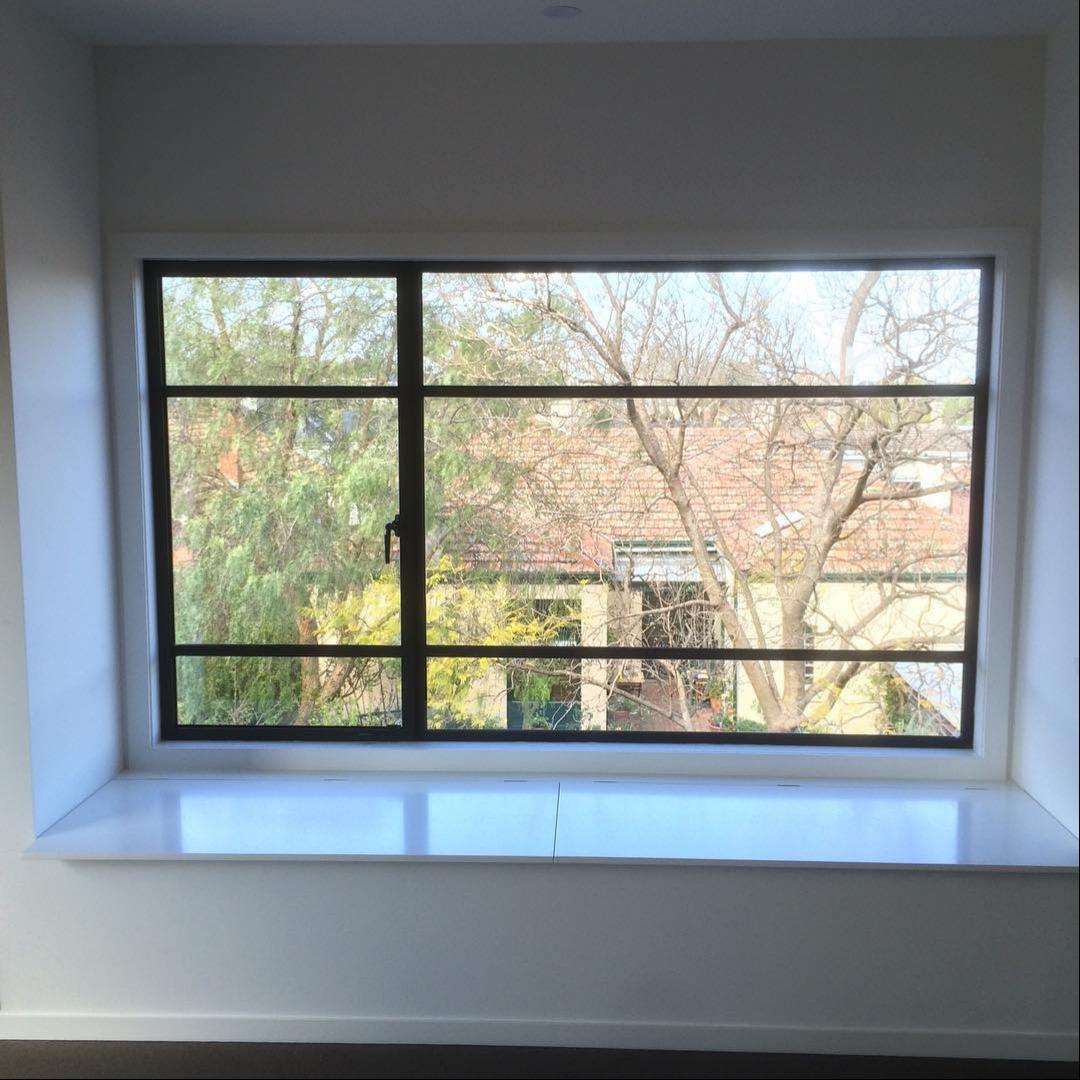
Purchasing factory steel windows for a commercial project means checking more than appearance and price. Certifications and test reports help confirm whether the proposed system suits the building’s location, code requirements, energy targets, and exposure conditions. The right documents depend on the project, so buyers should identify applicable standards before comparing quotations.
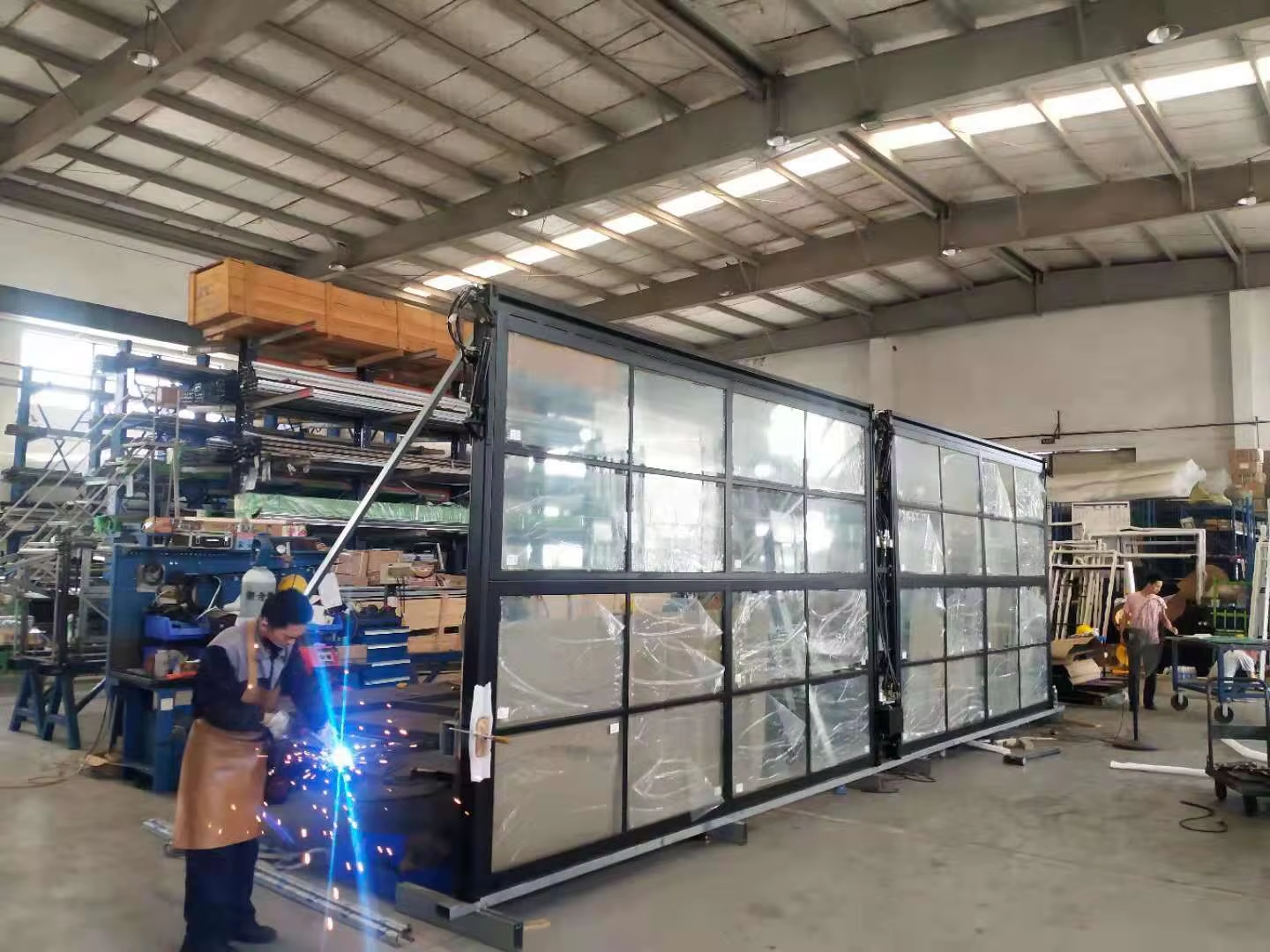
Start by matching the documentation to the complete window assembly, rather than assuming a certificate for one material covers the finished product. For industrial steel window frames, request clear evidence for performance, fabrication quality, glazing, and any specified safety or fire requirements. This approach also makes later review of steel windows durability and maintenance and commercial building steel window installation more specific and useful.
Certifications that establish product performance
Check the applicable fenestration standard
The first check is whether the offered window has been tested or certified under a recognized fenestration program accepted by the project jurisdiction. In North America, specifications may reference standards such as AAMA/WDMA/CSA 101/I.S.2/A440; other markets may apply different codes and conformity routes. Ask which product configuration was evaluated, because size, opening type, glazing, hardware, and frame details can affect the result. Reports for industrial steel window frames should identify the tested specimen and the standard edition used.
Review the required performance classes and ratings against the project documents, not just a supplier’s general statement of compliance. Air leakage, water penetration, and structural resistance may each be relevant, particularly on exposed elevations. For factory steel windows, confirm that the tested design is materially consistent with the submitted configuration. A test report for a fixed unit does not automatically substantiate an operable unit, and a result for one size should not be treated as universal without an accepted extension method.
Verify energy and glazing evidence
Energy documentation should address the whole fenestration product where the local energy code requires it. Depending on the market, this can include certified U-factor and solar heat gain information through an accepted rating or labeling program. Check that the stated values correspond to the glass, spacer, coatings, and frame option being purchased. This is important for industrial steel window frames, whose narrow profiles do not remove the need to verify whole-window thermal performance.
Glazing certifications or declarations can support review of insulated glass construction, safety glazing, and applicable material requirements. Ask for traceable documentation and confirm whether the glass type is appropriate for its location, such as near doors or in areas with human impact risk. Energy labels are not a substitute for project-specific code review. They help buyers assess steel windows durability and maintenance by making glass composition and product configuration easier to verify over the service life.
Certifications for quality, safety, and service life
Separate quality systems from product approval
A factory quality-management certificate, such as one based on ISO 9001, indicates that an organization follows a defined quality system; it does not certify that every window meets a building code. Treat it as useful process evidence, then request product test reports, inspection records, and manufacturing controls for the actual order. For industrial steel window frames, buyers can ask how dimensions, welds, coating preparation, and hardware fit are checked and recorded before dispatch.
Review coating and corrosion-protection documentation in relation to the project’s environment and specified finish. The right evidence may include coating-system specifications, preparation procedures, thickness checks, or relevant test results, but applicability should be confirmed rather than assumed from a generic certificate. Steel windows durability and maintenance also depend on drainage, seals, finish care, and repair access. Ask for written care instructions and clarify which inspection intervals or cleaning methods the product documentation recommends.
Require evidence for special hazards
Fire, blast, forced-entry, acoustic, and impact performance require particular care because certification applies to defined assemblies and test conditions. If a project calls for a rated opening, obtain evidence for the complete listed assembly, including frame, glazing, hardware, anchors, and installation details as applicable. Do not infer fire resistance from steel construction alone. For factory steel windows in a regulated opening, confirm acceptance with the design professional and authority having jurisdiction before procurement.
Safety claims should identify the relevant test method, limits, and product configuration. Where acoustic control matters, request an applicable rating for the specified glass and operable arrangement; where windborne debris or impact resistance applies, verify that the tested assembly matches the exposure and code criteria. Industrial steel window frames may be part of a larger envelope strategy, but project conditions govern the required evidence. Steel windows durability and maintenance documents should also explain how replacement parts preserve the approved configuration.
Procurement checks before approving a submittal
Match certificates to the order and installation
Build a submittal review around the project specification: list each required rating, standard, label, and document, then match it to the offered model and options. Check certificate validity, issuing body, product identifiers, production site where relevant, and any limitations or exclusions. This protects the buyer from accepting a report for a similar but different unit. Commercial building steel window installation also depends on coordinated drawings, approved anchors, perimeter sealing, and field conditions, none of which a product certificate alone verifies.
Ask for installation instructions that align with the tested or certified assembly and the project’s wall construction. Review fixing locations, tolerances, sill drainage, flashings, and sealant compatibility with the design team. Record who is responsible for field inspection and what evidence is needed at completion. For commercial building steel window installation, clear coordination reduces the risk that substitutions or site changes undermine the documented performance. The same review helps confirm that industrial steel window frames arrive with the intended hardware and finish.
Use a decision record, not a certificate count
A larger bundle of certificates is not necessarily better if documents do not address the project’s actual risks. Prioritize current, traceable evidence tied to the selected configuration, then note unresolved items before purchase approval. Compare the proposed ratings with the specification and seek clarification when terms are vague or values are presented without test context. This makes steel windows durability and maintenance a practical procurement issue, rather than a broad promise about material strength.
Before release, confirm that the final schedule, approved samples, glass make-up, finish, hardware, and installation details agree with the submittal evidence. Preserve the records for commissioning, maintenance, and future replacement decisions. If a design change occurs, ask whether existing certifications remain applicable or whether updated evidence is required. Commercial building steel window installation should follow approved details, while the responsible design and code professionals determine acceptance. These steps make the selection of factory steel windows evidence-led and project-specific.
FAQ
Does ISO 9001 certify a window’s performance?
No. It concerns an organization’s quality-management system, not proof that a particular product meets energy, structural, or code requirements. Request product-specific reports for industrial steel window frames and check that the tested model matches the order.
Which documents help assess service life?
Review finish and corrosion-protection information, glazing specifications, care guidance, and relevant product test evidence. Steel windows durability and maintenance depend on exposure and upkeep, so use documents tied to the selected configuration and project environment.
Are installation certificates enough for code approval?
Not by themselves. Commercial building steel window installation records can support quality control, but approval also depends on the product’s accepted performance evidence, project details, local codes, and inspection requirements. Confirm the full submission with the design team and authority having jurisdiction.