 EN

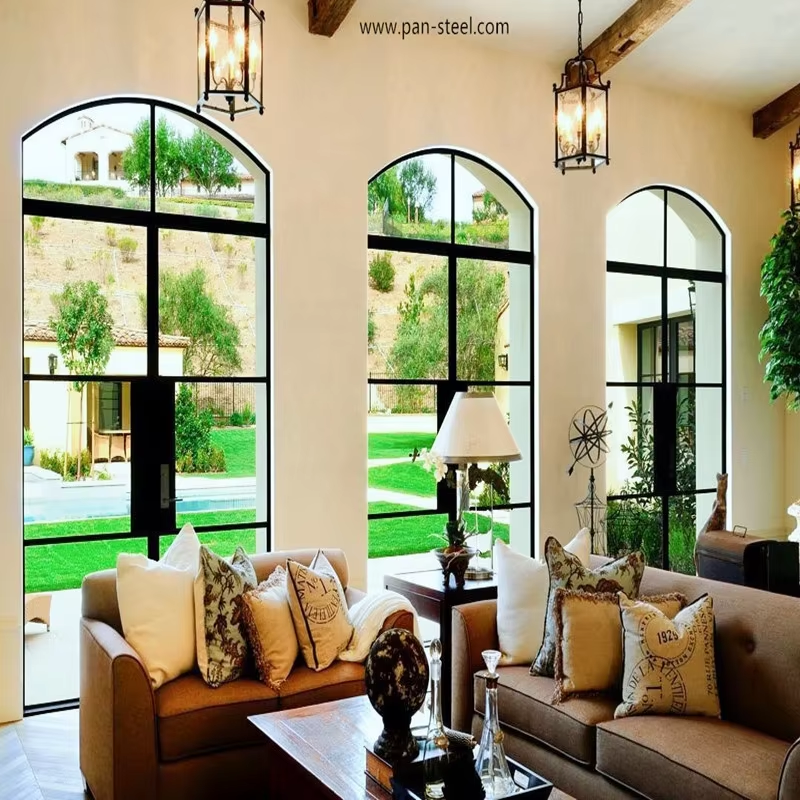
Importers evaluating factory steel windows need to look beyond a finished sample. The manufacturing process determines whether dimensions, welds, coatings, hardware, and seals are controlled consistently from order to order. A useful review connects industrial window frames durability with the actual material and fabrication checks on the production floor, while confirming that weather-resistant steel window specifications match the project environment and intended use.
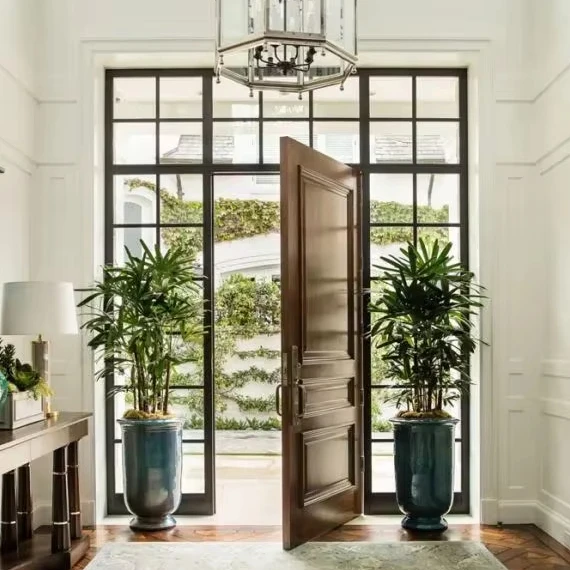
A practical assessment follows the product from incoming steel through fabrication, finishing, assembly, inspection, and export preparation. Importers should ask for records and observe how operators manage each stage, not rely only on assurances or photographs. This process-based approach helps connect commercial steel window installation requirements with factory capabilities and reveals whether industrial window frames durability is supported by repeatable controls.
Assessing materials and production controls
Trace steel quality through receiving and cutting
Begin with the material specification: steel grade, thickness, profile dimensions, and any project-specific requirements. Ask how incoming material is identified, checked, and linked to work orders. Industrial window frames durability depends on more than the nominal grade; consistent thickness and sound profiles help the frame retain its intended geometry. Review measuring tools, inspection records, and how nonconforming stock is separated before it enters production.
Then follow a sample profile through cutting and preparation. Check whether operators use controlled drawings, verify cut lengths, and deburr edges before joining. These small steps affect squareness and the quality of later welds. Compare the observed process with weather-resistant steel window specifications, since design details such as drainage paths and sealing surfaces can be compromised if a profile is cut or handled inaccurately.
Review forming, welding, and dimensional consistency
Ask how the factory holds frame and sash dimensions during forming and welding. Fixtures, documented sequences, and in-process measurements reduce the risk of distortion, while visual checks can identify incomplete or uneven joints. Industrial window frames durability is easier to substantiate when inspection criteria are clear and sample measurements are recorded. Examine corners and connection points on more than one unit to understand whether quality is consistent.
Request evidence that finished openings, diagonals, and hardware locations are checked against approved drawings. A supplier may use gauges or a documented sampling plan; the important point is that the method is repeatable and deviations trigger corrective action. Link these controls to commercial steel window installation, because out-of-square frames can complicate site alignment, anchoring, and sealing even when individual components appear well made.
Verifying protection, assembly, and testing
Inspect coating preparation and environmental protection
Coating performance starts before paint or another finish is applied. Ask how surfaces are cleaned, prepared, and inspected, and how the factory prevents contamination between preparation and coating. Weather-resistant steel window specifications should identify the required finish system and any relevant project exposure conditions. Confirm the process records, stated inspection method, and treatment of edges, welds, and other areas where corrosion protection can be less uniform.
Review whether coating thickness, appearance, and adhesion are checked using methods appropriate to the agreed specification. Ask how damaged finishes are repaired and documented before packing. Industrial window frames durability depends on both the chosen protection and careful handling after finishing. If units are intended for humid, coastal, or industrial settings, make sure the selected system and maintenance assumptions are confirmed rather than inferred from a generic product description.
Check hardware, seals, and functional trials
At assembly, inspect how hinges, locks, handles, gaskets, and glazing interfaces are selected and installed. Part numbers and approved drawings should make substitutions visible, while fit checks help identify interference or uneven compression. Commercial steel window installation can be affected by hardware position and seal continuity, so importers should verify that representative assemblies operate smoothly and close consistently before the order is packed.
Ask what functional checks are performed on completed units and how results are recorded. Depending on the specification, checks may cover opening and closing, lock engagement, visible gaps, or water-related performance testing. Weather-resistant steel window specifications should state which tests apply, the sample basis, and acceptance criteria. A clear test record makes it easier to judge whether claims reflect the ordered design rather than a different configuration.
Connecting factory evidence to import and site needs
Audit documents against the actual order
Before production approval, compare drawings, finish schedules, hardware details, packing instructions, and inspection plans with the purchase order. Confirm revisions are controlled so an obsolete drawing cannot guide production. Industrial window frames durability is a project outcome, not a label; evidence should correspond to the material, dimensions, and coating actually specified. Ask for sample inspection reports and clarify who signs off any approved deviation.
A factory visit or remote process review should focus on traceability: can the team connect an individual unit or batch to its material, work instructions, inspection results, and packing record? This provides a practical basis for resolving defects after shipment. Commercial steel window installation planning also benefits from accurate unit identification, clear orientation marks, and coordinated delivery details, especially when multiple openings differ in size or hardware.
Judge readiness for shipment and installation
Inspect how finished windows are protected during storage and loading. Packaging should limit abrasion, moisture exposure, and movement without hiding product labels or obstructing safe handling. Match the packing method to the shipment route and unloading conditions, then confirm that accessories and installation information are identified. Weather-resistant steel window specifications should remain aligned with the approved order through packing, rather than being treated as a factory-only concern.
Finally, discuss site tolerances, anchoring interfaces, perimeter sealing, and responsibility for field adjustments before the shipment is released. Factory checks cannot compensate for an unsuitable opening or unclear installation sequence. Review whether the product documentation gives installers the information needed to protect the frame and complete the interface correctly. Industrial window frames durability depends on this handoff as well as fabrication, so record open questions and resolve them before dispatch.
FAQ
Which factory records should an importer request?
Request approved drawings, material identification or certificates where applicable, inspection criteria, sample measurement results, finish checks, and packing records. For industrial window frames durability, records should match the order and show how deviations are handled. A small, traceable sample of documentation is more useful than a large file that cannot be connected to the units being purchased.
How can importers assess weather exposure?
Define the project environment and confirm the finish, seals, drainage details, and applicable tests against the purchase specification. Weather-resistant steel window specifications should describe the intended configuration and acceptance criteria. Ask the factory to identify any exposure assumptions or maintenance needs, then make sure those details are reflected in project documents before production approval.
Why review installation before shipment?
Site conditions influence dimensions, anchoring, perimeter sealing, and handling. Reviewing commercial steel window installation early can expose missing interface details while changes are still manageable. Confirm the opening information, delivery sequence, and installer documentation, then check that the factory labels and packs each unit accordingly. This reduces avoidable ambiguity between manufacturing completion and site work.