 EN

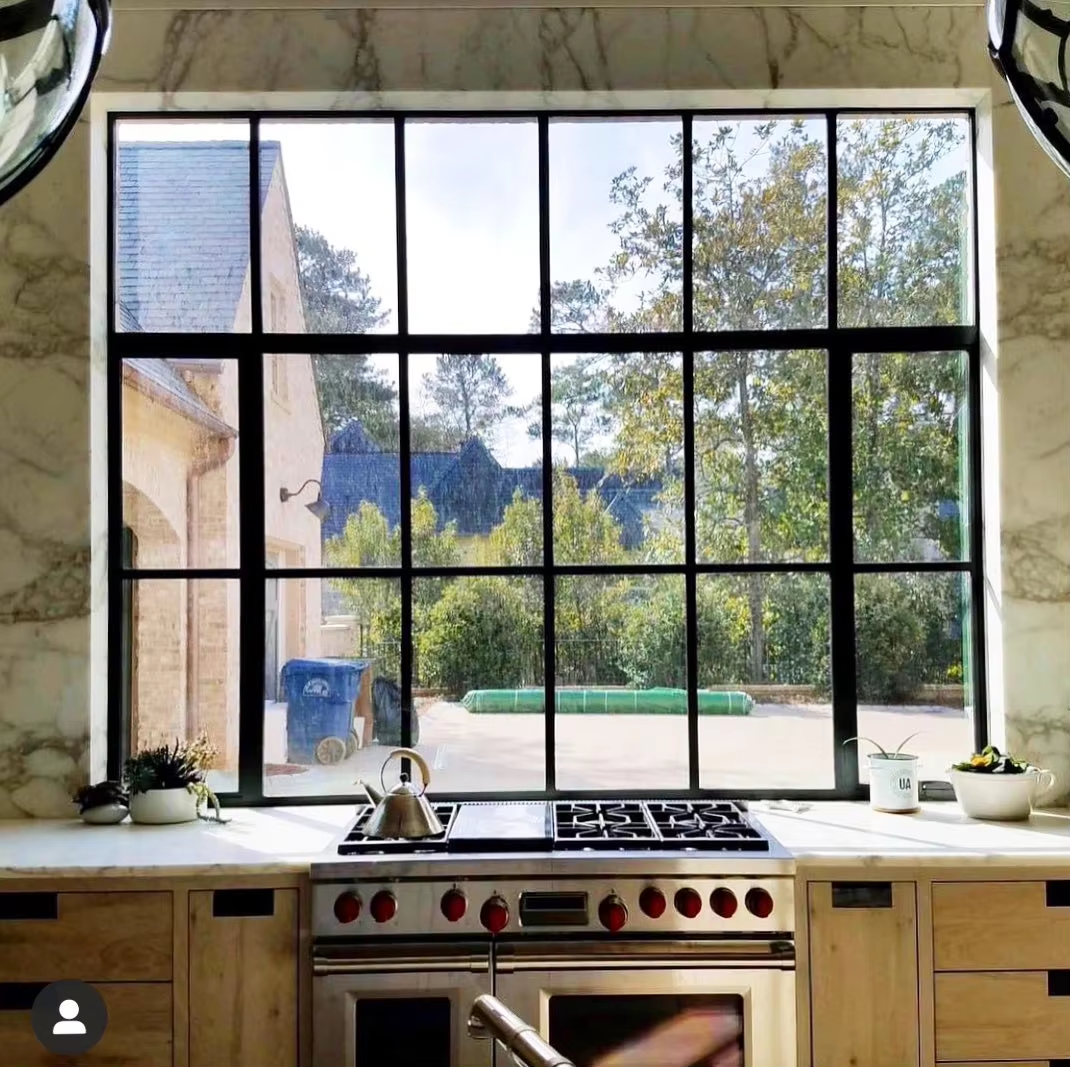
Selecting the right finish for architectural steel windows is a critical decision that influences both aesthetic appeal and long-term durability. The finish applied to steel window frames specifications determines how well the installation resists weathering, corrosion, and UV degradation while maintaining visual consistency with architectural intent. Building professionals and designers must understand the available finish options to select solutions that balance performance requirements with project budgets and design visions.
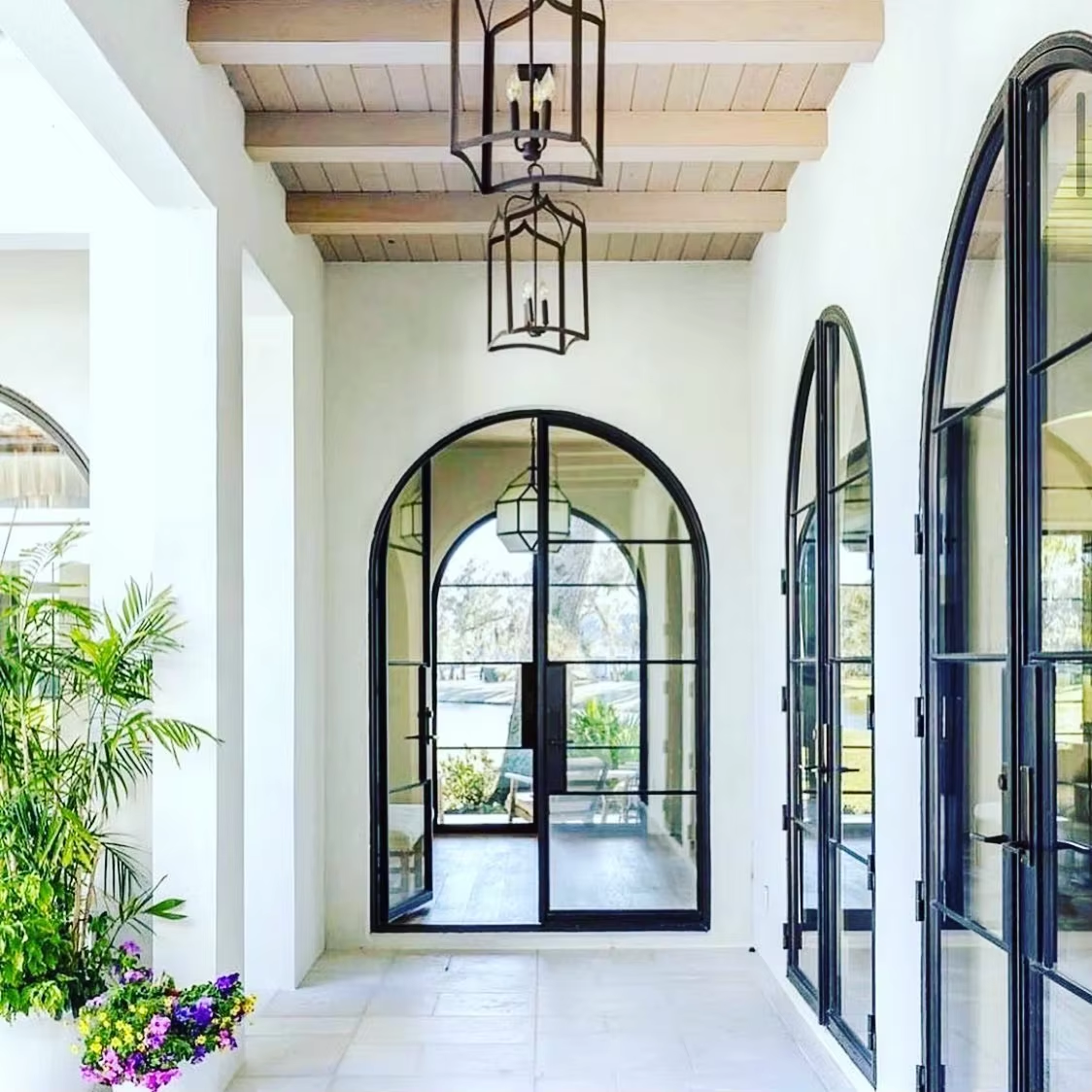
Modern architectural steel windows offer multiple finish systems designed to meet diverse project specifications and environmental conditions. Understanding each finish category empowers stakeholders to make informed choices that protect investments while supporting design goals. The finish layer serves as the primary defense against moisture intrusion, salt spray, industrial pollution, and mechanical wear that can compromise structural integrity and thermal performance steel windows require for energy efficiency.
Standard Coating Systems for Steel Window Frames
Powder Coat Finishes
Powder coating represents the most widely specified finish for architectural steel windows in contemporary construction. This electrostatic application process bonds a dry powder to the steel surface, creating a uniform, durable layer that resists chipping and provides superior coverage compared to liquid paint systems. Custom steel window designs frequently employ powder coatings because they offer extensive color palettes, gloss levels, and performance tiers that accommodate virtually any aesthetic or functional requirement.
The thermal performance steel windows achieve depends partly on the powder coat's ability to resist UV fading and maintain adhesion over decades of environmental exposure. High-performance polyester and polyurethane powder formulations withstand salt spray testing for 2000 to 3000 hours, making them suitable for coastal and aggressive industrial settings. Steel window frames specifications often call for specific ASTM or ISO standards that verify color stability, hardness, and impact resistance of the powder coating system.
Paint and Liquid Coatings
Traditional paint systems offer flexibility for on-site touch-ups and maintenance compatibility, particularly in retrofit or historic renovation projects where architectural steel windows must match existing structures. Epoxy and polyurethane paints deliver chemical resistance and adhesion superior to basic acrylic formulations, though they require professional application and adequate drying time between coats. Steel window frames specifications for paint systems typically mandate multiple primer and topcoat layers to achieve required film thickness and performance durability.
Paint finishes allow architects to specify custom colors that coordinate with building branding or heritage aesthetics. However, liquid coatings demand periodic maintenance and recoating cycles that factor into total lifecycle costs, especially in harsh climates where UV exposure accelerates degradation. Projects prioritizing custom steel window designs with unique colors often blend paint finishes with powder coat components to balance aesthetics and performance requirements.
Advanced Finishes and Specialty Options
Hot-Dip Galvanizing
Hot-dip galvanizing provides robust corrosion protection by metallurgically bonding a zinc layer to the underlying steel substrate. This finish excels in marine environments, agricultural facilities, and industrial zones where architectural steel windows face chloride-rich air and harsh chemical exposure. The zinc coating sacrifices itself to protect the steel, creating a self-healing mechanism when the coating sustains minor scratches or damage.
Galvanized finishes deliver exceptional thermal performance steel windows demand because the zinc layer maintains continuity even after impact or mechanical stress. Steel window frames specifications in coastal regions frequently mandate galvanizing as the minimum acceptable finish standard to ensure 20 to 30-year service lives without major maintenance interventions. However, galvanized surfaces typically present a silvery-gray appearance that may conflict with contemporary design aesthetics, limiting adoption in high-visibility architectural applications.
Anodized and Hybrid Systems
While anodizing traditionally serves aluminum components, hybrid steel systems combine anodic-like electrochemical conversion coatings with topcoat layers to achieve similar corrosion resistance and appearance. These conversion coatings create a chemically bonded oxide layer on the steel surface, followed by chromate or trivalent chromium solutions that provide additional protection. Custom steel window designs incorporating hybrid finishes balance the visual sophistication of anodized-look aesthetics with the structural advantages of steel substrates.
Conversion coating systems offer moderate cost efficiency and excellent adhesion for subsequent paint or powder coat applications. Steel window frames specifications requiring both corrosion resistance and design flexibility frequently specify conversion coatings as a base layer beneath decorative finishes. These systems perform well in moderate climates and indoor-outdoor applications where thermal performance steel windows must resist humidity fluctuations without excessive maintenance.
Selection Criteria and Performance Considerations
Environmental and Climate Factors
The finish selection process begins with thorough environmental assessment of the installation location and exposure category according to ISO 12944 or equivalent standards. Coastal environments demand higher-performance finish systems with greater film thickness and corrosion inhibition than inland locations experience. Architectural steel windows in urban pollution zones, industrial areas, or regions with significant temperature cycling require finishes engineered specifically for those stressors to maintain long-term durability.
Architects and building owners must evaluate salt spray, humidity levels, UV intensity, and aggressive chemical exposure when specifying architectural steel windows finishes. Projects in temperate inland climates may optimize cost by selecting moderate-performance coatings, while marine and industrial applications justify premium finish systems. Steel window frames specifications documents should explicitly reference the environmental exposure category and corresponding minimum coating performance standards applicable to the project location.
Aesthetic and Maintenance Requirements
Design intent frequently drives finish selection as much as performance requirements do in custom steel window designs. Powder coat finishes offer the broadest color range and consistent appearance, supporting both contemporary minimalist and traditional architectural styles. Paint systems enable unlimited custom colors but require periodic maintenance and touch-up work that architects must plan into building maintenance protocols.
The thermal performance steel windows provide relates indirectly to finish selection because lighter or reflective finishes may reduce solar heat gain compared to dark finishes, particularly in low-emissivity coating specifications. Maintenance accessibility and budget considerations influence finish durability selections; projects with robust maintenance programs can sustain paint finishes longer than buildings with minimal service budgets. Steel window frames specifications should clearly document expected maintenance cycles, touch-up procedures, and warranty coverage for the selected finish system.
FAQ
What finish provides the best corrosion resistance for architectural steel windows in coastal environments?
Hot-dip galvanizing offers superior corrosion protection in coastal zones due to its thick zinc layer and self-healing properties. High-performance powder coatings with polyester or polyurethane resins also deliver excellent salt spray resistance when specified with adequate film thickness and proper surface preparation. Steel window frames specifications for marine applications should mandate minimum coating thicknesses of 85 to 150 microns and ASTM B117 salt spray testing verification exceeding 2000 hours for galvanized finishes and 3000 hours for premium powder coats.
Can architectural steel windows be repainted or refinished after initial installation?
Yes, architectural steel windows with paint finishes can be refinished on-site through proper surface preparation and compatible topcoat application. Powder-coated surfaces require more extensive preparation because the original coating must be mechanically abraded or chemically removed to achieve proper adhesion for new finishes. Steel window frames specifications should document the intended maintenance approach and compatible finish products available for future refinishing to guide building managers through recoating projects.
How do finish choices affect the thermal performance of steel windows?
Finish selection influences thermal performance steel windows achieve primarily through color and reflectivity rather than direct insulating properties. Darker finishes absorb more solar radiation and may increase solar heat gain in summer while reducing heating requirements in winter. Custom steel window designs can specify low-emissivity or reflective coatings that optimize passive solar performance; architects should coordinate finish color selections with thermal modeling to balance aesthetic and energy efficiency goals.