 EN

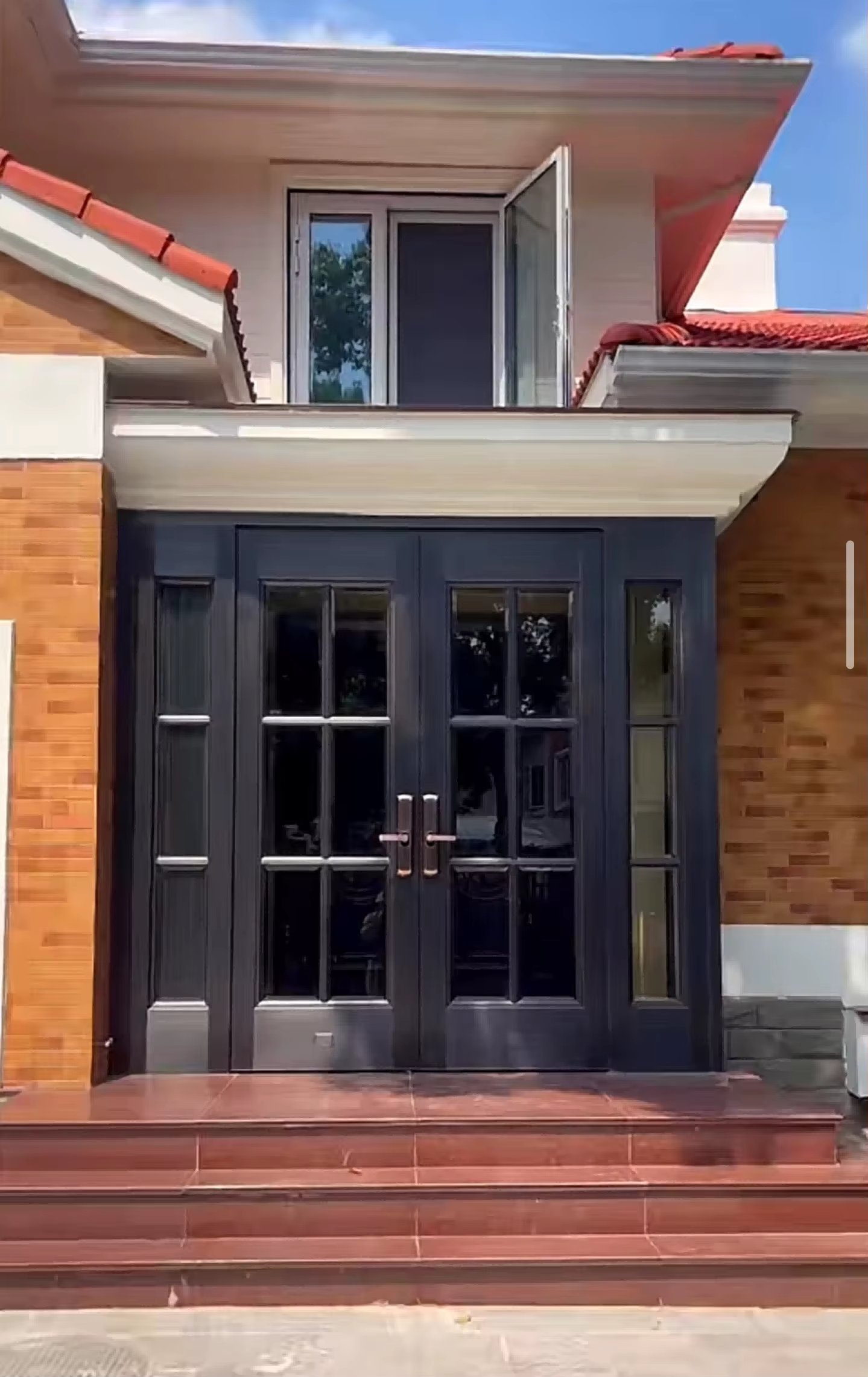
Selecting the right glass for bespoke metal doors requires careful consideration of performance, aesthetics, and functionality. The glass you choose significantly impacts the door's energy efficiency, security, and visual appeal. Since bespoke metal doors are custom creations tailored to specific architectural and operational needs, the glazing solution must align with those unique requirements rather than default to standard offerings.
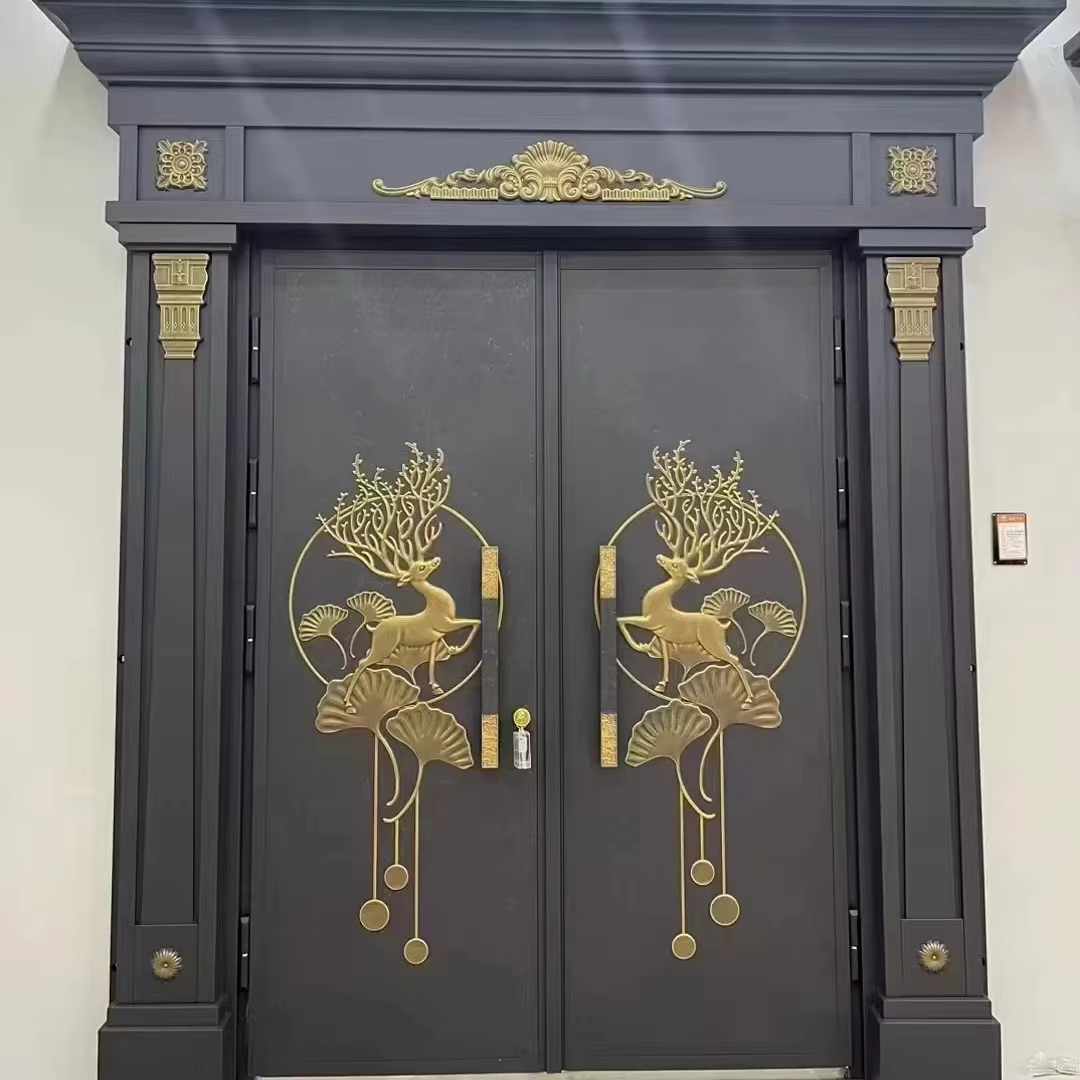
Industrial metal entrance doors and custom metal door designs serve demanding environments, from commercial facilities and manufacturing plants to high-security installations. The glass specification becomes a critical component that must withstand thermal stress, physical impact, and security threats while maintaining transparency and aesthetic consistency. Understanding which glass types work best for different scenarios ensures your bespoke metal doors deliver on both performance and design promise.
Tempered Glass for Safety and Durability
Understanding Tempered Glass Benefits
Tempered glass is processed through heat and rapid cooling to increase its strength compared to standard annealed glass. For custom metal door design applications, tempered glass resists thermal shock, which is essential when doors experience temperature fluctuations or direct sunlight exposure. The process makes the glass four to five times stronger than untreated glass, reducing the likelihood of breakage from impact or pressure changes. When tempered glass does break, it shatters into small, relatively harmless granules rather than sharp shards, a critical safety feature in high-traffic commercial and industrial environments.
Thermal Performance and Application Scenarios
Tempered glass performs exceptionally well in industrial metal entrance doors exposed to exterior weather conditions. The material maintains structural integrity across temperature ranges typical in factories, warehouses, and outdoor loading areas. For bespoke metal doors serving modern office buildings or retail spaces, tempered glass provides the transparent aesthetic clients expect while meeting safety codes. The glass also works well with tinting and coating options, allowing designers to layer security, privacy, and energy efficiency benefits into a single glazing solution.
Laminated Glass for Security and Acoustic Control
Security Advantages of Laminated Construction
Laminated glass consists of two or more glass panes bonded together with an interlayer, typically polyvinyl butyral (PVB), creating a composite that remains intact even when broken. For steel security door installation and high-security applications, laminated glass provides ballistic resistance and forced-entry protection far beyond standard glazing. When struck with impact or force, the glass may crack but stays adhered to the interlayer, preventing large shards from falling and maintaining the barrier integrity. Custom metal door design in sensitive facilities, financial institutions, and government buildings frequently specifies laminated glass as a core security component.
Noise Reduction and Occupant Comfort
Beyond security, laminated glass delivers substantial acoustic benefits critical for industrial metal entrance doors positioned near noise sources. The interlayer absorbs sound vibrations, reducing transmission of external noise into interior spaces. Facilities near highways, manufacturing plants, or active loading zones benefit from this acoustic control, creating quieter, more productive work environments. The combination of impact resistance and sound dampening makes laminated glass ideal for bespoke metal doors serving dual purposes: maintaining visual connection while protecting occupants from both security and environmental threats.
Low-Emissivity and Specialized Coatings
Energy Efficiency Through Coating Technology
Low-emissivity (Low-E) coatings reduce heat transfer through glass by reflecting infrared radiation while allowing visible light penetration. For custom metal door design in climate-controlled commercial spaces, Low-E coatings reduce heating and cooling loads, directly lowering operational costs. The microscopic coating is invisible to the eye, maintaining the clarity and aesthetic appeal of bespoke metal doors while improving thermal performance. Combined with argon or krypton gas fills between multiple glass panes, Low-E technology transforms glass from a thermal weak point into an insulating component.
Tinting and Solar Control Options
Tinted glass absorbs solar radiation before it enters interior spaces, reducing cooling demand and glare while maintaining transparency. For steel security door installation in sun-exposed locations, tinted glass protects interior merchandise, artwork, and equipment from UV fading. Reflective coatings add another layer, bouncing solar energy away from the building envelope entirely. Designers of industrial metal entrance doors can select gray, bronze, or green tints depending on climate zone, orientation, and interior privacy needs. These specialized options allow bespoke metal doors to integrate seamlessly into broader energy management and aesthetic strategies.
FAQ
What is the best glass choice for high-security industrial metal entrance doors?
Laminated glass with PVB interlayer is the optimal choice for high-security applications because it remains bonded together after impact, preventing forced entry and maintaining the security barrier. Combining laminated glass with security film and steel framing creates a comprehensive steel security door installation that meets stringent security standards while maintaining some visual transparency.
Can tempered glass be used in conjunction with custom metal door design for exterior applications?
Yes, tempered glass is well-suited for exterior custom metal door design because it handles thermal shock, temperature fluctuations, and direct sunlight exposure effectively. Tempered glass also meets safety codes requiring automatic shattering into granules rather than jagged fragments, making it appropriate for public-facing bespoke metal doors where occupant safety is paramount.
How do Low-E coatings improve the performance of bespoke metal doors in commercial buildings?
Low-E coatings reduce heat transfer through the glass by reflecting infrared radiation, lowering heating and cooling energy consumption. In commercial buildings with extensive metal entrance doors, Low-E glazing contributes measurably to operational cost reduction and sustainability goals while maintaining design clarity and aesthetic consistency across the facility's architectural envelope.