 EN

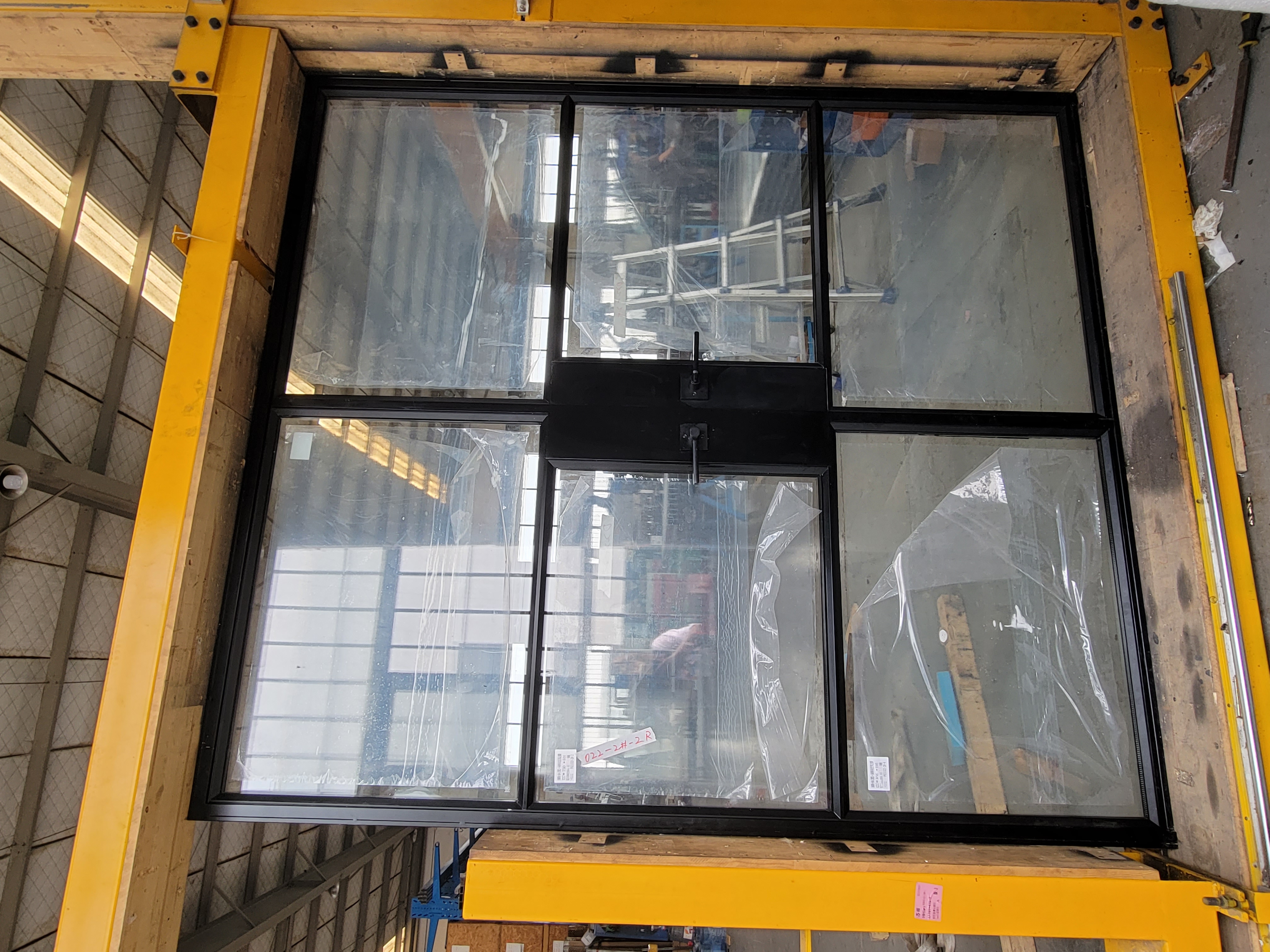
Choosing a frame finish for steel glazed doors means balancing appearance with exposure, cleaning demands, and the specification of the opening. Common choices include painted coatings and metallic finishes, but the right option depends on where the door will be installed and how the frame relates to adjacent materials. Reviewing commercial glass door frames, tempered glass door specifications, and fire-rated steel door options together helps avoid late design changes.
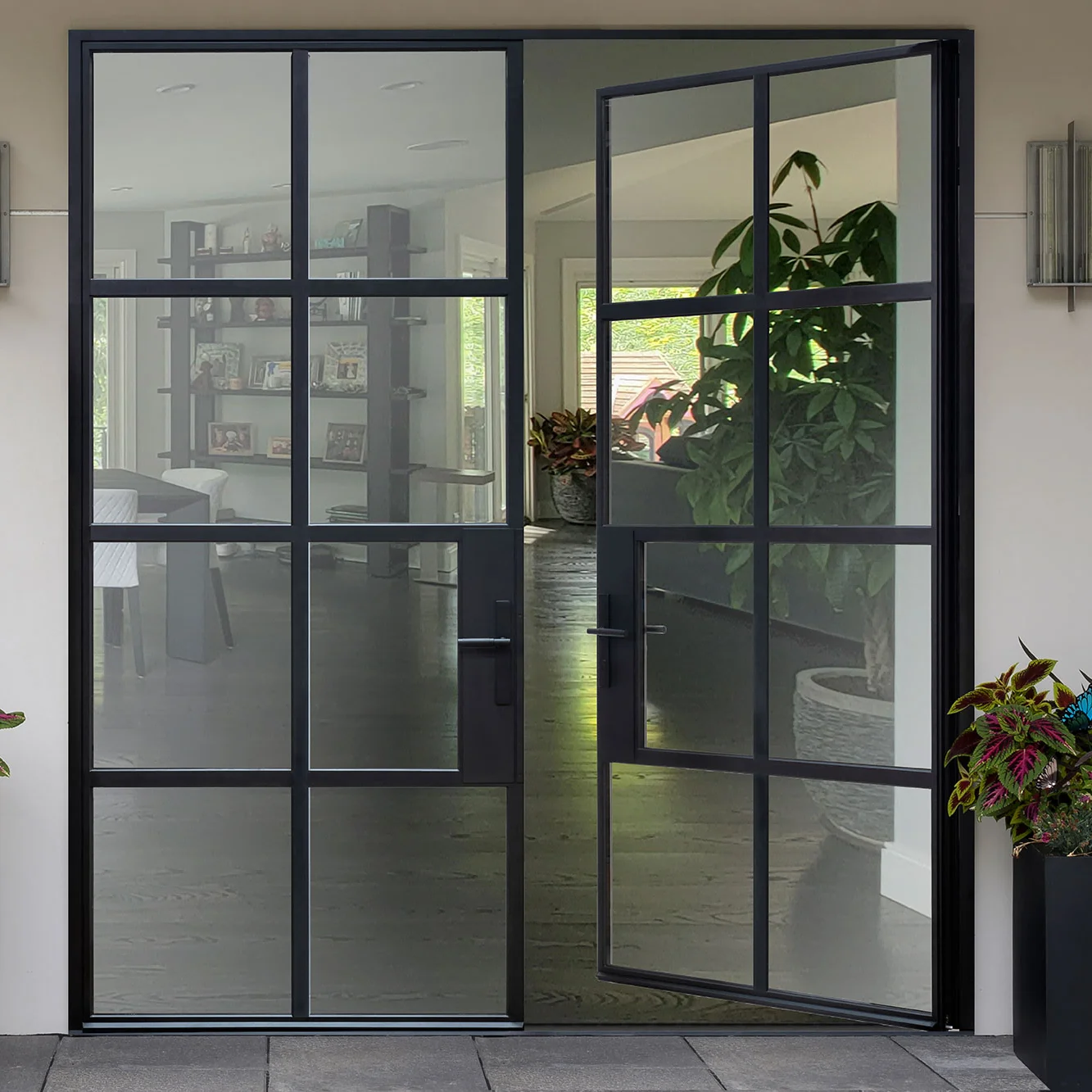
There is no single finish that suits every project. Interior partitions, busy public entrances, and openings exposed to moisture place different demands on a coated frame. Consider commercial glass door frames alongside the intended glazing, check tempered glass door specifications, and confirm whether fire-rated steel door options apply before selecting a color or coating system.
Finish choices and their practical differences
Painted coatings for controlled appearance
Painted finishes offer a broad color range and can help a frame coordinate with walls, hardware, and other metalwork. For commercial glass door frames, specify the color reference and sheen rather than relying on a sample viewed under different lighting. A finish sample should be reviewed beside the selected glass, since reflections and nearby colors can change how both materials appear.
The coating process and substrate preparation matter as much as the color. Ask how the finish is applied, what surface preparation is required, and how the completed frame should be cleaned. Tempered glass door specifications should also identify the glass treatment and edge details, so the frame finish does not distract from the glazing or complicate installation.
Metallic and textured finishes
Metallic appearances can create a more architectural look, while textured coatings may be useful where a uniform smooth surface is not the design goal. When reviewing commercial glass door frames, compare samples in the actual space and at the expected viewing distance. Small differences in texture, gloss, and color can become more noticeable across a long run of doors.
Do not assume a decorative finish is suitable for every exposure. Confirm the coating’s intended use with the project team, especially near entrances where moisture, handling, or frequent cleaning may affect appearance over time. Tempered glass door specifications should remain aligned with the frame selection, including the glazing thickness and the clearances required for the assembly.
Matching finishes to location and performance
Interior and high-traffic applications
Interior doors in offices or controlled-access spaces may prioritize color consistency and straightforward cleaning. In corridors and public areas, frequent contact makes maintenance expectations more important. For commercial glass door frames, document the cleaning products and methods permitted for the selected coating instead of assuming that all painted or textured surfaces can be treated alike.
High-traffic use can also influence the finish choice around handles, push plates, and lower frame sections. These areas receive more contact and may show wear sooner than surfaces above hand height. Tempered glass door specifications should account for the intended door use and hardware coordination, while the finish schedule should clearly identify any components that require a different treatment.
Where an opening forms part of a rated assembly, appearance cannot be specified in isolation. Confirm the proposed finish is permitted for the tested or approved assembly, and coordinate any finish selection with fire-rated steel door options. The documentation for commercial glass door frames should identify the exact opening and components under review rather than treating every glazed door in the project as equivalent.
Moisture, cleaning, and durability needs
Entrances exposed to rain, wet footwear, or regular washdown need a finish suited to the actual environment. Clarify whether the frame is protected from direct weather and how water will be managed at the threshold. Tempered glass door specifications remain relevant because glass size, setting, and edge clearances affect the interface between glazing and frame.
Maintenance planning is useful before procurement, not after the first signs of wear. Ask the project team to define acceptable cleaning frequency, products, and repair procedures. For commercial glass door frames, a finish that is easy to inspect and touch up may be more practical than a visually striking surface that requires specialized care.
If the door is near a coastal, industrial, or otherwise demanding environment, make the exposure explicit in the specification and request confirmation of finish suitability. Do not infer corrosion resistance from color or appearance. Where fire-rated steel door options are being considered, check finish limitations and approved component details at the same time as the environmental requirements.
Specification and coordination before ordering
Record the finish as a complete specification
A useful finish schedule identifies the coating type, color, sheen, texture, and which frame surfaces receive treatment. It should also state whether the same finish applies to sidelights, transoms, and related trim. Tempered glass door specifications should be reviewed alongside these details so glass dimensions, edge conditions, and frame clearances remain compatible.
Request a physical sample when the finish is a visible design feature, and compare it with the selected glazing under representative lighting. A digital color reference is helpful for documentation, but it may not show texture or reflectivity accurately. Include commercial glass door frames in the sample review and record approvals so fabrication and site teams work from the same information.
For rated openings, coordinate the finish schedule with the assembly documentation before approval. Fire-rated steel door options may have specific component and configuration requirements, so changes to frame construction or finish should be checked through the responsible project professionals. Keep the approved configuration clear in submittals, shop drawings, and installation instructions.
Resolve interfaces and approvals early
A finish decision affects more than the frame itself. Confirm its relationship to wall finishes, seals, hardware, and adjacent metalwork, and identify who approves samples and substitutions. This coordination gives installers clear direction and reduces the risk of inconsistent appearance between openings.
Procurement teams should confirm the selected finish, glass, and performance requirements in one coordinated review. That review helps expose conflicts before fabrication, when adjustments are easier to manage. With clear documentation for commercial glass door frames and the relevant fire-rated steel door options, the final choice can meet both the design intent and opening requirements.
FAQ
Which finish is suitable for a busy interior entrance?
Choose a finish based on expected contact, cleaning routines, and the desired appearance. Review samples in context and ask about care requirements. Tempered glass door specifications should be checked with the frame and hardware selection to confirm that all components suit the intended use.
Can a decorative coating be used on a rated opening?
Only use a finish when it is compatible with the approved assembly and its documentation. Confirm the complete configuration with the responsible project team; the label fire-rated steel door options alone does not establish approval for every finish or arrangement.
What should be included in the finish submittal?
Document coating type, color, sheen, texture, preparation, cleaning guidance, and affected frame components. Include a sample when appearance is critical, and coordinate approvals with glazing and hardware information so commercial glass door frames are specified consistently.