 EN

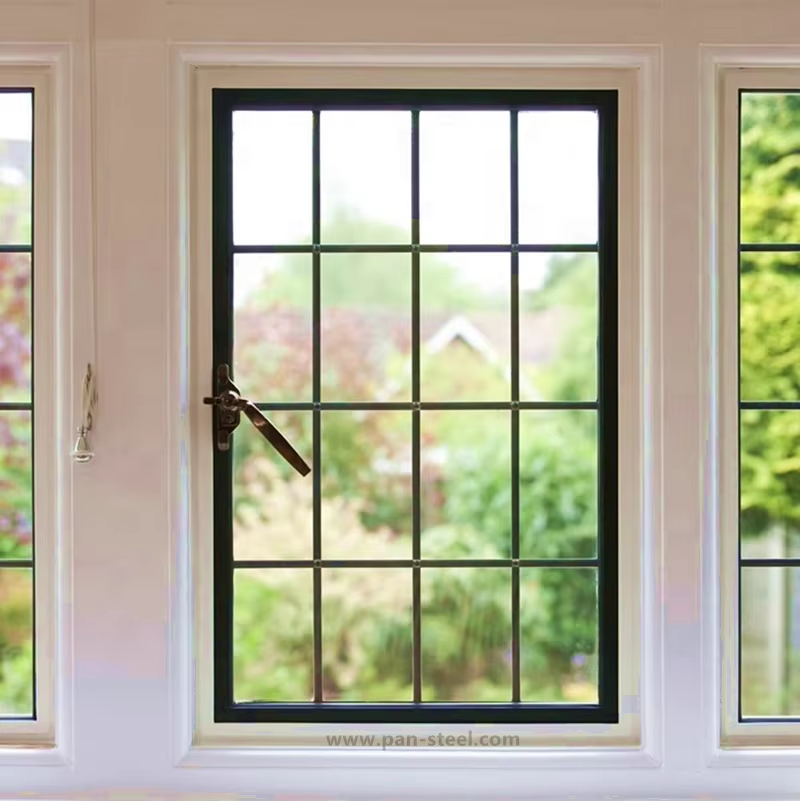
Consistent quality in internal crittall windows comes from controlling every stage, from design review and steel preparation to glazing and final inspection. Manufacturers need repeatable checks because small differences in frame dimensions, welds, or finishes can affect how a unit fits and performs. The same discipline supports industrial style internal glazed doors, where clear sightlines and a clean, consistent appearance matter to project teams.
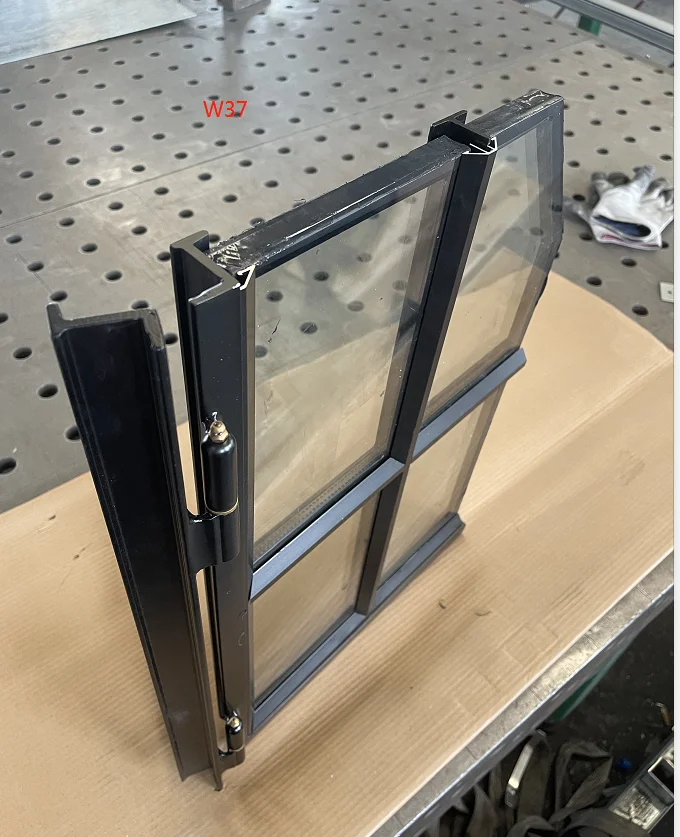
A reliable process is not a single inspection at the end. It links approved specifications, controlled fabrication, documented checks, and careful installation planning. For steel frame partition windows and retro metal framed internal glass doors, manufacturers use these controls to keep dimensions, finish, and glazing consistent across units, while addressing project requirements before production begins.
Quality begins with clear specifications
Translate project needs into measurable requirements
Before cutting begins, a manufacturer reviews drawings, opening sizes, frame profiles, glass specification, hardware, and finish requirements. This step helps internal crittall windows match the intended layout rather than relying on assumptions. For industrial style internal glazed doors, agreed sightlines and panel divisions should be recorded; steel frame partition windows and retro metal framed internal glass doors also need defined tolerances, interfaces, and finish samples.
A controlled specification identifies which dimensions are fixed and which can accommodate site variation. Manufacturers can then verify frame width, height, squareness, and connection details against approved documents. This matters for internal crittall windows installed beside other glazed units: consistent industrial style internal glazed doors depend on coordinated profiles, while steel frame partition windows and retro metal framed internal glass doors benefit from the same revision control.
Control incoming materials and samples
Material checks confirm that steel sections, glazing, seals, and hardware correspond to the project specification before they enter production. A supplier document or batch reference can support traceability, and finish samples give teams a practical visual standard. These checks help manufacturers keep internal crittall windows aligned with approved industrial style internal glazed doors, steel frame partition windows, and retro metal framed internal glass doors.
Samples are especially useful when a project includes several openings or phased deliveries. A retained reference allows production teams to compare later components without relying on memory or inconsistent screen images. For internal crittall windows, finish and profile comparisons can reveal variation early. The same approach gives industrial style internal glazed doors, steel frame partition windows, and retro metal framed internal glass doors a shared quality baseline.
Repeatable fabrication protects consistency
Manage cutting, welding, and frame geometry
Once materials are approved, controlled cutting and fabrication help keep each frame close to its specified dimensions. Fixtures, calibrated measuring tools, and documented work instructions reduce avoidable variation between operators or production runs. Manufacturers apply these methods to internal crittall windows, industrial style internal glazed doors, steel frame partition windows, and retro metal framed internal glass doors so assemblies remain consistent before finishing.
Weld locations and finishing methods also affect appearance and fit. Inspection during fabrication can identify excess distortion, uneven joints, or sharp edges while correction is still practical. A frame that sits square supports reliable glazing and installation. This is relevant to internal crittall windows and to industrial style internal glazed doors, steel frame partition windows, and retro metal framed internal glass doors with repeated slim-profile sections.
Apply finishes and glazing under control
Surface preparation and coating checks help produce an even finish across frames, including corners and joints that are easy to overlook. Teams can compare color, texture, coverage, and visible defects with the approved sample under suitable lighting. For internal crittall windows, consistent finishing supports a coherent interior scheme across industrial style internal glazed doors, steel frame partition windows, and retro metal framed internal glass doors.
Glazing control includes checking glass type, dimensions, edge condition, and placement, then confirming that seals and retaining components are fitted correctly. Clear handling procedures help protect glass from damage and reduce contamination during assembly. These steps matter to internal crittall windows because the frame and glass must work as one assembly. They also help standardize industrial style internal glazed doors, steel frame partition windows, and retro metal framed internal glass doors.
Inspection and feedback close the quality loop
Verify finished units before dispatch
Final inspection compares the completed unit with approved drawings and acceptance criteria. Checks may cover overall dimensions, frame squareness, finish quality, glass identification, hardware operation, and visible damage. Recording results provides evidence for release decisions and helps teams address nonconformities consistently. Manufacturers use this process for internal crittall windows, industrial style internal glazed doors, steel frame partition windows, and retro metal framed internal glass doors.
Inspection should be practical, not limited to appearance. A door may need its movement checked, while a fixed partition requires attention to connection points and stability requirements defined for the project. Clear records help identify whether an issue began in design, fabrication, handling, or installation. This makes quality decisions for internal crittall windows more useful and helps improve industrial style internal glazed doors, steel frame partition windows, and retro metal framed internal glass doors.
Use installation feedback to improve production
Even well-made units can encounter site conditions that were not fully represented in drawings. Installation feedback helps manufacturers distinguish a production defect from an opening that differs from its approved dimensions. When feedback is recorded and reviewed, future internal crittall windows can be specified more accurately, alongside industrial style internal glazed doors, steel frame partition windows, and retro metal framed internal glass doors.
Packaging, labeling, and delivery coordination also protect quality after inspection. Components should be identified clearly, handled to limit damage, and matched to their intended openings. A documented handover makes it easier for installers to flag missing parts or discrepancies promptly. For internal crittall windows, this final control preserves the results of fabrication and inspection, as it does for industrial style internal glazed doors, steel frame partition windows, and retro metal framed internal glass doors.
FAQ
What is the first quality check manufacturers should complete?
Start by confirming the approved drawings, dimensions, glass, hardware, and finish requirements. A shared specification gives industrial style internal glazed doors and steel frame partition windows a clear acceptance basis before manufacturing starts.
How do manufacturers keep finishes consistent?
They define a sample, control surface preparation, inspect coverage and visible defects, and compare production against the reference. This approach helps maintain a consistent appearance on retro metal framed internal glass doors and industrial style internal glazed doors.
Why inspect a unit after fabrication?
Final checks catch dimensional, glazing, finish, or hardware issues before dispatch, when corrections are more manageable. Reviewing results and site feedback also helps improve steel frame partition windows and retro metal framed internal glass doors on later production runs.