 EN

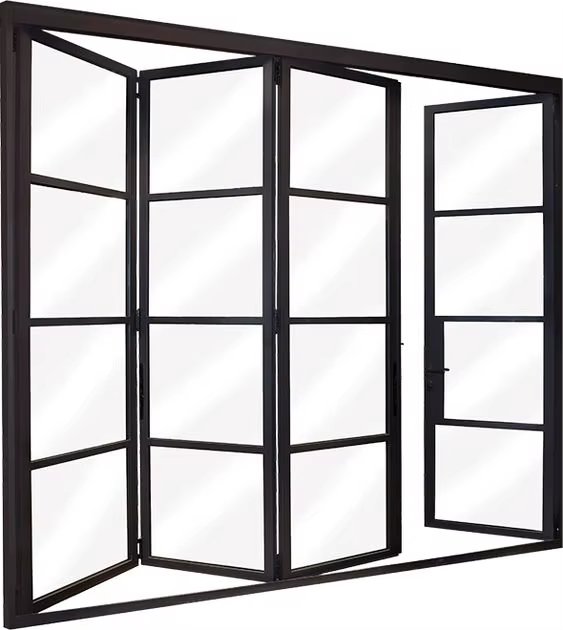
The choice of glass in a sliding steel window directly affects its performance, longevity, and ability to meet specific building requirements. Industrial and residential applications demand careful consideration of glass properties that complement the strength and durability of steel frames. Understanding how different glass options enhance functionality ensures that your sliding steel window investment delivers both protection and efficiency over decades of use.
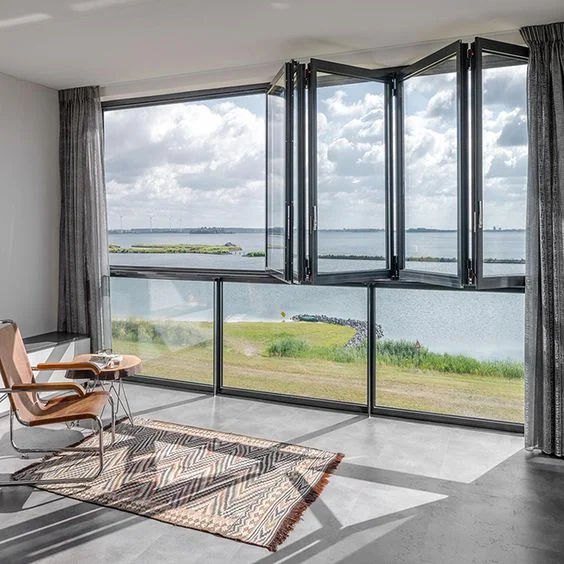
A sliding steel window system integrates multiple components, with glass serving as the critical barrier between interior and exterior environments. The glass you select determines thermal performance, acoustic insulation, security features, and visual clarity. Steel window frame installation becomes more effective when paired with the right glass technology, creating a cohesive system that maximizes functionality and aesthetic appeal across residential, commercial, and industrial facilities.
Thermal Performance and Energy Efficiency
Double and Triple Glazing Solutions
Double-glazed and triple-glazed options represent the standard for modern sliding steel window functionality. Double glazing consists of two glass panes separated by an air or inert gas gap, creating an insulating layer that significantly reduces heat transfer. Triple glazing adds a third pane and additional gas chamber, improving thermal resistance even further. These configurations work seamlessly with industrial sliding window specifications, providing superior temperature regulation that reduces heating and cooling costs while maintaining interior comfort levels.
The gas fill between panes in a sliding steel window plays an essential role in thermal performance. Argon and krypton gases conduct heat more slowly than standard air, enhancing the insulating properties of your steel window frame installation. Low-emissivity coatings applied to interior glass surfaces reflect radiant heat back into the room during winter while allowing solar gain during summer, creating adaptive thermal control throughout seasonal changes.
Insulated Glass Unit Construction
Insulated glass units, commonly called IGU assemblies, are pre-manufactured at the factory and sealed into your sliding steel window frame during steel window frame installation. This controlled manufacturing environment ensures consistent quality and durability that field-assembled alternatives cannot match. The spacer bars used in IGU construction also influence performance—warm-edge spacers reduce condensation and improve thermal efficiency compared to aluminum spacers.
Weather Resistance and Durability Factors
Low-E Coatings and Protective Layers
Weather-resistant steel window seals work most effectively when paired with glass that resists environmental degradation. Low-emissivity coatings protect against ultraviolet radiation and environmental contaminants that weaken glass bonds and reduce optical clarity over time. These microscopic coatings are virtually invisible yet provide decades of protection for your sliding steel window installation, maintaining visual transparency while enhancing longevity in harsh climates and coastal regions with salt spray exposure.
Tempered and laminated glass options create additional barriers against environmental stress. Tempered glass undergoes controlled heating and cooling that strengthens the material and makes it safer when breakage occurs, fragmenting into small granules rather than sharp shards. Laminated glass features an interlayer that holds glass fragments together during impact, providing security benefits that align with industrial sliding window specifications for sensitive or high-traffic facilities.
Seal Integration and Weatherproofing
Weather-resistant steel window seals serve as the critical interface between glass and steel frame, requiring materials and design that maintain performance across temperature fluctuations and moisture exposure. Silicone-based sealants provide superior flexibility and UV resistance compared to older polyurethane formulations, accommodating the thermal expansion and contraction that occurs in a sliding steel window system. Proper sealant application during steel window frame installation ensures that moisture never penetrates the insulating gas cavity, preserving thermal performance indefinitely.
Specialty Glass Options for Functional Enhancement
Noise Reduction and Acoustic Control
Acoustic laminated glass reduces exterior noise transmission through a sliding steel window, benefiting facilities near highways, airports, or industrial zones. The interlayer in laminated glass absorbs sound vibrations, dampening noise before it enters the building interior. When combined with industrial sliding window specifications that include sealed frames and strategic spacer configurations, acoustic glass creates quiet indoor environments without sacrificing visual connection to outdoor spaces.
Security and Safety Enhancements
Security-rated glass options meet rigorous impact resistance standards required for high-security installations. Blast-resistant and impact-resistant glass layers protect against forced entry, flying debris during severe weather, and accidental impacts. Facilities requiring enhanced security benefit from specifying these options during sliding steel window frame installation, as retrofitting security glass into existing frames proves expensive and sometimes impossible. Industrial sliding window specifications for secure facilities typically mandate laminated safety glass with rated performance certifications from independent testing laboratories.
Solar Control and Tinting Options
Tinted and reflective glass options reduce solar heat gain, lowering cooling requirements in applications with significant window area exposure. Gray, bronze, and blue tints absorb solar radiation while maintaining optical clarity and exterior visibility. Reflective coatings bounce incoming solar energy away from the building envelope, creating substantial energy savings in sun-exposed locations. These options work particularly well in contemporary facilities where sliding steel window aesthetics complement modern architecture while delivering measurable energy performance improvements through reduced air conditioning demand.
Installation and Performance Verification
Proper Glass Selection During Steel Window Frame Installation
Specifying the correct glass type before steel window frame installation begins prevents costly modifications and performance compromise. Manufacturers provide detailed technical data sheets documenting thermal transmittance values, solar heat gain coefficients, and visible transmittance ratings that allow direct comparison across options. Working with qualified installers ensures that glass selection aligns with industrial sliding window specifications, local building codes, and climate conditions specific to your facility location and orientation.
Maintenance and Long-Term Performance
Regular maintenance of your sliding steel window preserves glass clarity and extends system lifespan significantly. Weather-resistant steel window seals require periodic inspection for cracks or separation that compromise thermal performance. Annual cleaning removes environmental contaminants that accumulate on glass surfaces, maintaining optical clarity and allowing detailed inspection of frame conditions and sealant integrity.
FAQ
What glass thickness works best for industrial sliding window specifications?
Standard insulated glass units for sliding steel window applications typically feature 4mm or 6mm glass panes with air or gas gaps of 12mm to 16mm. Thicker glass and larger gaps improve thermal and acoustic performance but increase weight, requiring stronger frame structures. Industrial sliding window specifications should balance performance requirements against frame capacity and installation constraints unique to your facility conditions.
How does weather-resistant steel window seal quality impact glass performance?
Superior weather-resistant steel window seals protect the insulating gas cavity from moisture infiltration and oxidation that degrades thermal performance over time. High-quality sealants maintain flexibility across temperature extremes, preventing stress cracks that compromise weather resistance. During steel window frame installation, proper sealant depth and coverage ensure that weather-resistant properties persist for the entire lifespan of your sliding steel window system.
Can glass options be changed after sliding steel window frame installation?
Replacing glass after steel window frame installation is technically possible but expensive and disruptive, potentially damaging the frame and compromising weather resistance. Selecting appropriate glass specifications during the planning phase ensures optimal performance without costly retrofitting. Consult technical resources and qualified professionals before finalizing glass selections for your sliding steel window project to avoid performance gaps and unexpected expenses.