 EN

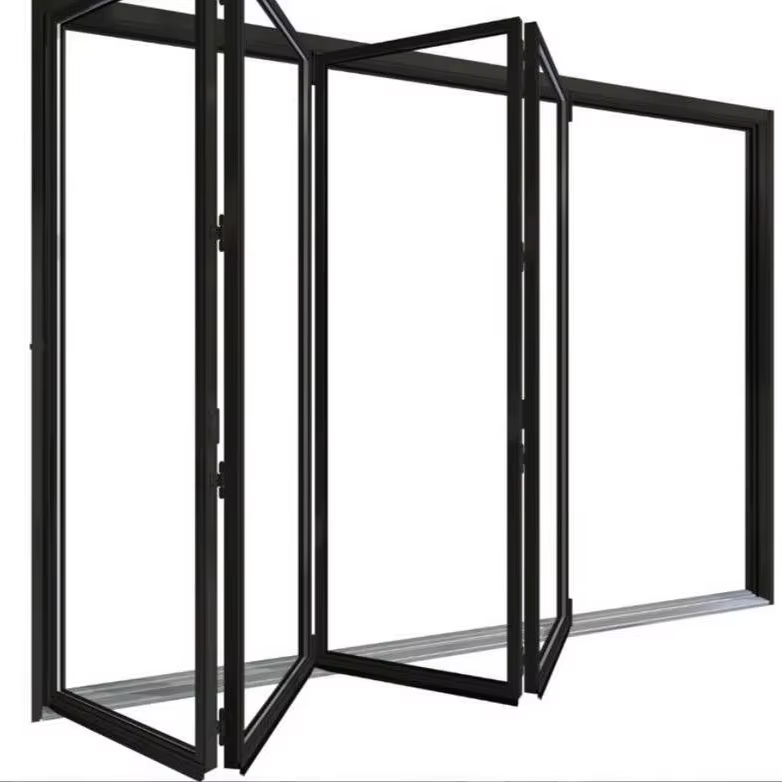
Selecting the right supplier for your sliding steel window needs is one of the most critical decisions in any commercial or residential construction project. A poor choice can result in costly delays, inferior thermal performance, installation complications, and long-term maintenance issues that compromise building efficiency and occupant comfort. Understanding how to properly evaluate suppliers ensures you partner with a vendor who can deliver quality products, reliable support, and solutions tailored to your specific application requirements.
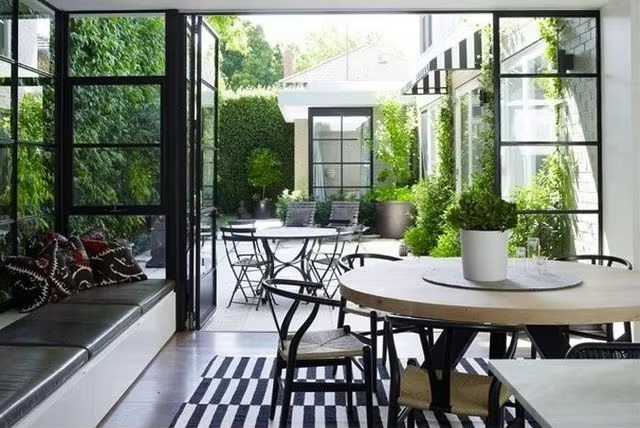
The process of evaluating suppliers requires a systematic approach that goes beyond comparing price quotes. You need to assess technical capabilities, product specifications, manufacturing standards, and post-sale support. A comprehensive evaluation framework helps you identify suppliers who can meet both your immediate project needs and your long-term performance expectations. This guide walks you through the key criteria and assessment methods that distinguish reliable suppliers from those that may create problems down the line.
Understanding Supplier Technical Capabilities
Product Specification and Design Expertise
The first layer of evaluation focuses on whether the supplier truly understands your project requirements and can deliver appropriate solutions. Request detailed product specifications, including material composition, frame dimensions, glass options, and hardware systems. A qualified supplier should be able to explain the differences between standard and thermally broken frames, discuss thermal break sliding windows performance metrics, and recommend configurations based on your climate zone and building code requirements.
Ask the supplier to provide technical drawings, cross-sectional profiles, and performance data sheets for their steel window frames and installation systems. This documentation should include thermal transmittance (U-value) ratings, air infiltration rates, structural load capacities, and warranty details. Suppliers who cannot provide comprehensive technical documentation, or who offer only generic brochures, typically lack the depth of engineering support needed for complex projects. Request references from past projects with similar scope and specifications to validate their claim to expertise.
Manufacturing Standards and Certifications
Evaluate the supplier's adherence to recognized manufacturing standards and quality certifications. Look for compliance with ISO 9001 (quality management), ISO 14001 (environmental management), and industry-specific standards related to window performance and safety. Certifications from third-party testing organizations, such as NFRC, ASTM, or equivalent regional bodies, provide independent verification of product performance claims.
Request documentation of factory audits, quality control procedures, and testing protocols used in their manufacturing facilities. Reputable suppliers should conduct regular performance testing on their commercial steel window systems and maintain detailed quality records. Ask about their material sourcing practices, steel suppliers, and how they ensure consistency across production batches. Understanding their quality assurance framework reveals whether they maintain strict standards or rely on informal quality checks.
Assessing Product Performance and Durability
Thermal and Acoustic Performance Verification
Thermal performance is a primary concern for most modern building projects, especially when evaluating thermal break sliding windows that feature advanced insulation properties. Request certified U-value and SHGC (solar heat gain coefficient) test results from independent laboratories. Compare these performance metrics against your local building code requirements and energy efficiency targets. The supplier should explain how their thermal break design reduces heat transfer and whether their frame design is compatible with various glass packages, including double-glazed and triple-glazed options.
Beyond thermal performance, acoustic properties matter for buildings located in noisy urban environments or near transportation corridors. Ask the supplier whether their systems can accommodate laminated or specialized acoustic glass, and whether they have tested configurations that meet specific sound transmission class (STC) requirements. Suppliers who invest in comprehensive performance testing demonstrate confidence in their product quality and provide you with verifiable data to support your design decisions.
Weather Resistance and Long-Term Durability
Steel windows require robust protection against corrosion and weathering. Evaluate the supplier's coating and finish systems, including powder-coat application methods, paint quality, and protective measures for cut edges and fastener areas. Ask whether they offer factory-applied protective coatings, such as zinc-rich primers or polyester powder coats designed to withstand coastal environments, industrial atmospheres, or other harsh conditions relevant to your project location.
Inquire about warranty coverage for the coating system, frame material, and hardware components. A supplier confident in their steel window frames and installation durability should offer extended warranties that protect against premature corrosion, glass failures, and hardware degradation. Review warranty exclusions carefully and understand what maintenance is required on your part to keep the warranty valid. Suppliers who offer comprehensive warranties backed by verifiable insurance or warranty programs provide greater protection than those offering short-term, limited coverage.
Evaluating Installation Support and Service Quality
Installation Documentation and Training
The quality of installation directly affects window performance, water tightness, and thermal efficiency. Evaluate whether the supplier provides detailed installation manuals, technical drawings, and installation specifications tailored to different wall conditions and climates. Request information about their installer network or whether they provide direct installation services. Suppliers who invest in comprehensive training programs for their installer partners demonstrate commitment to proper field execution.
Ask about installation verification procedures, punch-list protocols, and post-installation support. Does the supplier conduct field inspections on completed projects to ensure compliance with their specifications? Can they provide documentation proving proper flashing, sealant application, and adjustment? Suppliers who stand behind their commercial steel window systems with on-site quality verification provide confidence that your investment will perform as designed for years to come.
Technical Support and Problem Resolution
Assess the supplier's after-sale support structure and responsiveness to technical inquiries and field problems. Contact their technical support team with sample questions to gauge response time and quality of answers. Does the supplier maintain a local technical representative who can visit your project, or do they offer only remote email or phone support? Access to experienced technical resources proves invaluable when field conditions require design adjustments or troubleshooting.
Request information about warranty claims processes, repair procedures, and replacement policies. Suppliers with streamlined, documented processes for handling defective products demonstrate customer-focused operations. Ask for contact information from recent clients who experienced warranty issues to learn about the supplier's responsiveness and fairness in handling disputes. A supplier's willingness to stand behind their products and resolve problems quickly reflects confidence in their quality and commitment to customer relationships.
FAQ
What specific performance metrics should I request from a sliding steel window supplier?
Request U-value ratings, solar heat gain coefficients (SHGC), air infiltration rates, and structural load capacities. For thermal break sliding windows, ask for certified test results from independent laboratories demonstrating thermal performance under standard conditions. Additionally, request acoustic performance ratings if sound control is important for your location, and documentation of coating durability testing, especially for coastal or industrial environments.
How can I verify that a supplier's steel window frames and installation systems meet building code requirements?
Ask the supplier to provide code compliance documentation, including letters from certification bodies confirming adherence to relevant ASTM standards and local building codes. Request a list of completed projects in your region where their systems were installed under similar code jurisdictions. Contact the design professionals or building officials from those projects to confirm compliance. Many reputable suppliers maintain certification databases or provide model compliance packages tailored to specific regions.
What red flags should I watch for when evaluating commercial steel window systems suppliers?
Be cautious of suppliers who cannot provide comprehensive technical documentation, lack third-party certifications, or offer unusually low pricing without clear justification. Suppliers unwilling to provide references or performance test data, those with poor communication responsiveness, or those offering vague warranty terms should be approached carefully. Limited installation support, no local technical resources, or unclear quality control procedures are additional warning signs that the supplier may not provide reliable long-term value.