 EN

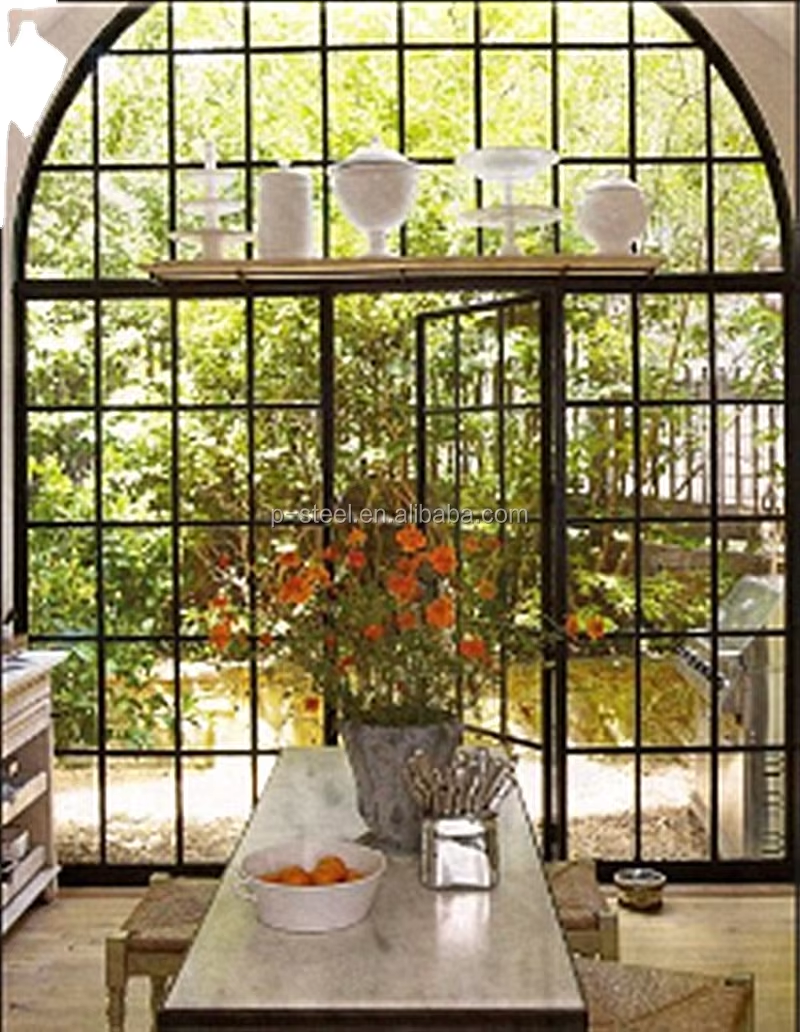
Choosing glass for a metal front door with glass means balancing daylight, privacy, thermal performance, and resistance to forced entry. The best option depends on the entrance’s exposure and how the building is used; modern entryway door designs should support those practical needs as well as the desired appearance.
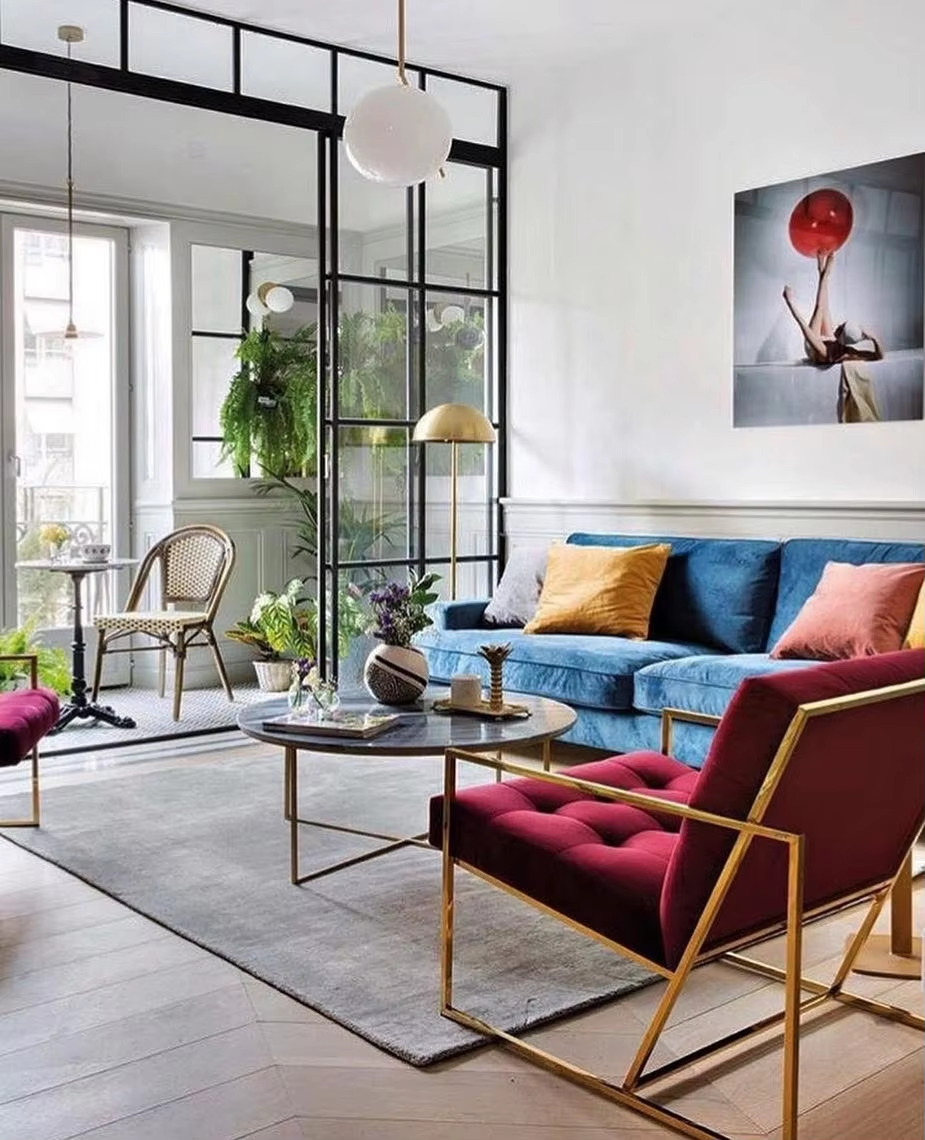
Start by deciding what the glass needs to do: admit a controlled amount of light, maintain a clear view, or screen the interior. A steel doors with sidelights configuration can bring in more daylight, while modern entryway door designs can use different glass patterns to manage sightlines without making the entry feel closed.
Choose glazing for the entrance conditions
Clear, obscure, and patterned glass
Clear glass gives the strongest view through the door and suits an entry where visibility matters. It can also reveal the interior, so consider the approach, nearby windows, and nighttime lighting. In modern entryway door designs, clear glass is most effective when its position and size serve a specific purpose. Contemporary glass panel door security also depends on the glass specification and how securely the panel is retained in the frame.
Obscure or patterned glass softens views while still admitting light. It is a practical choice for a street-facing entrance, a private office, or a residential door close to a walkway. Steel doors with sidelights can combine a clear central panel with obscured side glazing, though matching the glass finish helps the complete opening look intentional. Modern entryway door designs often use this contrast to balance privacy and openness.
Insulated and laminated glass
Where temperature control matters, insulated glazing can help limit heat transfer through the glazed area. Ask for the glazing build-up and applicable performance information rather than assuming all glass panels perform alike. Modern entryway door designs should account for the climate, the building envelope, and the door’s orientation. A well-chosen glass unit is only one part of the whole-door performance.
Laminated glass holds its layers together with an interlayer, which can help the panel remain in place if cracked. That characteristic can be useful where impact resistance is a concern, but it does not make an opening invulnerable. Contemporary glass panel door security requires attention to the complete assembly, including frame, locks, hinges, and how the glass is fixed. Confirm the intended application with the door provider.
Match glass layout to the opening
Door panels and sightlines
A full-height glass panel maximizes light and creates a more open view, while a smaller or divided panel can preserve a stronger visual boundary. Consider furniture placement, corridor visibility, and the direction visitors approach from. Modern entryway door designs work best when panel proportions relate to the surrounding facade rather than appearing as decoration added after the opening was planned.
Steel doors with sidelights add glazing beside the main leaf instead of placing all glass in the moving door. This can increase incoming light and keep the door’s central area more solid. Check the total opening width, available wall space, and whether the side panels are fixed. Steel doors with sidelights should also be planned with consistent glass type and frame detailing across the assembly.
Single doors, double doors, and side glazing
For a wider entrance, double leaves can create a balanced composition, but each leaf adds hardware and meeting points that need careful coordination. Contemporary glass panel door security should be assessed across the complete opening, not just the visible glass. Ask how the locks engage, how the passive leaf is secured, and whether the glazing specification suits the intended level of use.
A narrow sidelight may fit where the wall allows limited space, while a transom can bring light from above. Compare these options by mapping the opening and identifying where daylight is most useful. Steel doors with sidelights are not automatically the right choice for every facade; the amount and position of glazing should respond to privacy, structure, and the building’s proportions.
Evaluate safety, comfort, and maintenance
Security as a complete assembly
Glass selection alone cannot establish the security of an entrance. Review the panel retention method, frame construction, lock arrangement, hinges, and installation details together. Contemporary glass panel door security is a system question, so request clear specifications for the finished door rather than relying on the appearance of thick glass. Modern entryway door designs can look light while still requiring robust, compatible components.
For exposed or busy locations, ask whether the proposed glazing is suited to expected impacts and operating conditions. Confirm how replacement works if a panel is damaged and whether the door’s locking hardware remains accessible and serviceable. Steel doors with sidelights also require the fixed panels to be secured properly; treat those glazed sections as part of the entrance assembly.
Comfort, cleaning, and final specification
Sun exposure, rain, and frequent use affect how glass looks and how often it needs cleaning. Textured surfaces can disguise fingerprints better than a broad clear panel, though some patterns may need more careful cleaning. Modern entryway door designs should account for maintenance access, especially when glazing extends beside or above the door leaf.
Before approving a metal front door with glass, document the desired transparency, privacy level, glass construction, frame finish, and hardware. For an entrance where visibility matters, choose clear glazing with an appropriate security specification; where privacy leads, use an obscure option. Steel doors with sidelights can serve either goal when each panel is specified consistently. Contemporary glass panel door security should remain a central review point through ordering and installation.
FAQ
Which glass is most private for a street-facing entrance?
Obscure or patterned glazing limits direct views while preserving daylight, making it a useful choice for a street-facing door. Compare samples in daylight and at night, since interior lighting can change how much can be seen. Modern entryway door designs should reflect the actual sightlines outside the entrance.
Are steel doors with sidelights less secure?
Not necessarily. Security depends on the glazing, retention, frame, locks, and installation as a complete system. Ask for specifications covering the fixed side panels as well as the operating door. Contemporary glass panel door security is best evaluated for the whole opening, not by judging the sidelights in isolation.
Should I choose clear glass for more daylight?
Clear glass gives an open view and admits daylight, but it may reduce privacy. Consider obscure glazing or a combination of panel types if the entrance faces a public area. Modern entryway door designs can balance light and screening, while steel doors with sidelights offer another way to distribute glazing around the door.