 EN

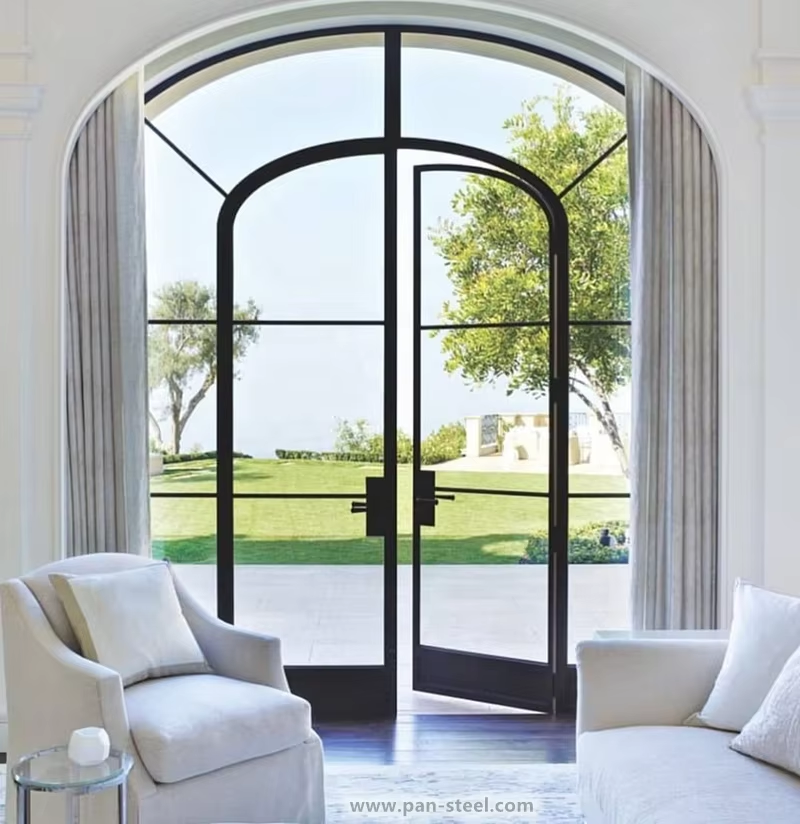
Choosing hardware for steel casement doors is a functional decision, not just a matter of appearance. The right hinges, stays, handles, locks, and seals affect how smoothly a door operates, how well it resists weather, and how easily the assembly can be maintained. Match each component to the opening, use pattern, and exposure.
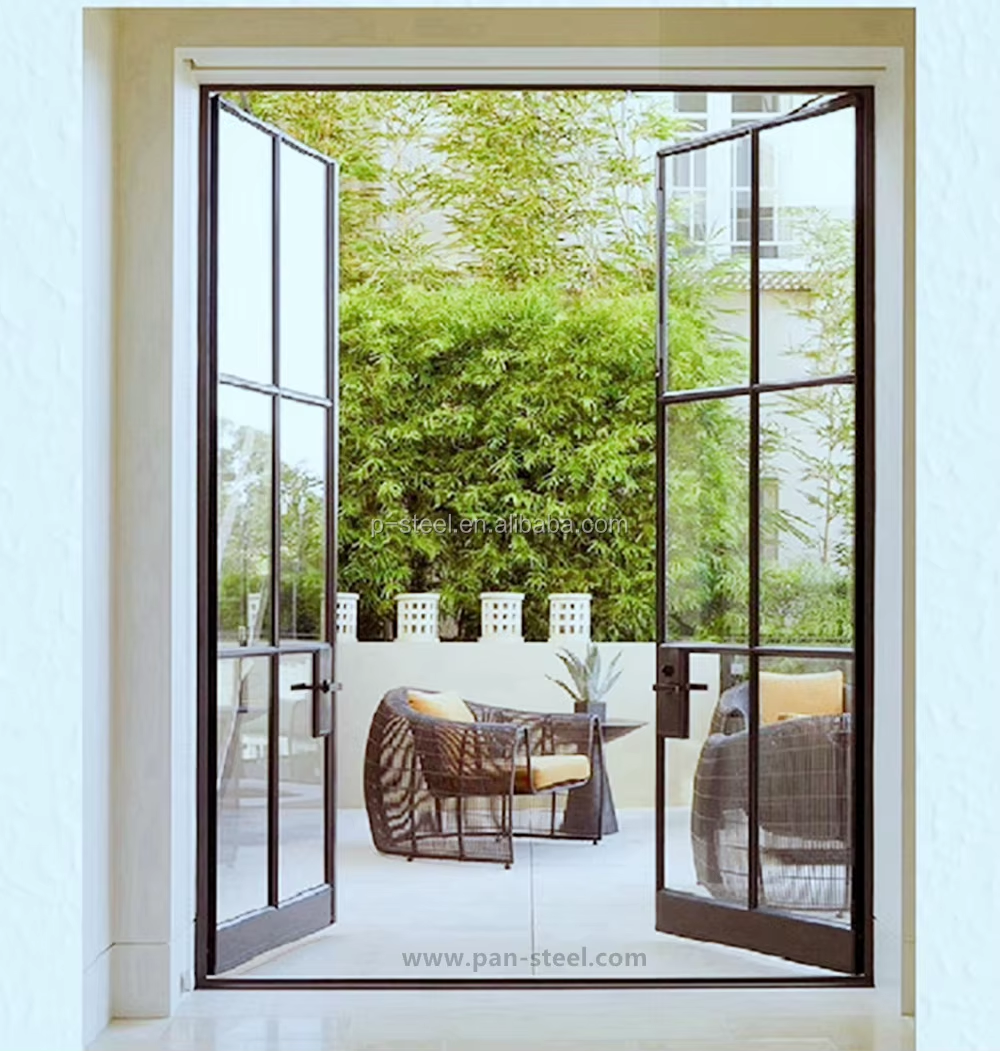
For a sound decision, assess the complete hardware set alongside the frame and installation plan. Commercial steel window frames need compatible hardware geometry; weather-resistant casement door seals need a consistent closing pressure; and industrial steel door installation costs depend partly on preparation and adjustment. The options below explain what to prioritize and where each choice adds practical value.
Operating Hardware for Controlled Movement
Hinges and friction stays
Hinges carry the door’s weight and determine its swing, so confirm load capacity, fixing points, and opening direction before selection. Commercial steel window frames should have reinforcement where hardware attaches, because a strong hinge cannot compensate for a weak fixing surface. For steel casement doors used frequently, corrosion-resistant materials and accessible fasteners simplify inspection and replacement.
A friction stay can control movement and hold a sash or casement at a selected opening, reducing unwanted movement in changing conditions. Check the stay’s load rating against the panel size and operating forces rather than choosing by appearance. When commercial steel window frames have different dimensions or reveal depths, verify that the stay geometry permits full travel without interference.
Specify hinges and stays as a coordinated set where their functions overlap. A mismatch may create binding, uneven gaps, or excessive effort at the handle. Include access for maintenance in the hardware layout, particularly where commercial steel window frames sit behind interior finishes. This early coordination can also clarify industrial steel door installation costs by identifying reinforcement and fixing work before site installation.
Handles and opening control
The handle should suit both the locking mechanism and the expected user. A lever generally offers a clear grip, while a compact handle may suit restricted clearances. Confirm spindle length, backset, and handing against the actual hardware schedule. These details matter on commercial steel window frames, where small dimensional differences can prevent a latch from engaging properly.
Opening restrictors can limit travel where a door could strike adjacent equipment, partitions, or pedestrian routes. Select a device that matches the required opening range without overloading its fixings. Review weather-resistant casement door seals at the same time, because a restrictor must not prevent the panel from closing firmly enough to compress the seal around the perimeter.
For a dependable operating feel, test the complete assembly through its opening and closing cycle. Confirm that the handle moves the latch cleanly, the stay holds position, and the hinges do not scrape the frame. Commercial steel window frames should be checked for square and consistent clearances before final hardware adjustment. A brief commissioning check can reveal issues before the opening enters regular service.
Seals and Locking for Protection
Perimeter seals and thresholds
Seals improve the contact between the door leaf and frame, helping manage drafts, water entry, and dust when the assembly is closed. Choose weather-resistant casement door seals for the exposure and the gap they must bridge, not simply because a material is described as durable. Verify corner joints and compression so the seal contacts continuously without making operation difficult.
The frame profile, threshold, and drainage details influence seal performance. Weather-resistant casement door seals need a clean, even landing surface; distorted frames or poor alignment can leave leakage paths despite a suitable gasket. In commercial steel window frames, assess the perimeter as a system and make sure drainage routes remain open rather than being blocked by sealant or hardware.
Material choice should reflect ultraviolet exposure, temperature changes, cleaning products, and expected opening frequency. Weather-resistant casement door seals that are too soft may deform, while an overly firm profile can increase closing force. Ask for dimensional and compatibility information, then confirm the specified seal fits the actual groove. This is especially useful when replacement work involves older commercial steel window frames.
Locks and secure closure
A lock should engage reliably without requiring the user to lift or force the door. Check the locking points, strike position, and handle operation as a single mechanism. Weather-resistant casement door seals also affect closure: if compression is uneven, the lock may feel stiff or fail to reach its intended position. Adjust alignment before changing to a stronger handle or lock.
Choose locking hardware based on access control, occupancy, and the required operating routine. Where staff use the opening repeatedly, straightforward engagement can reduce misuse and wear. Commercial steel window frames require compatible keeps and fixing locations, while the frame’s reinforcement must support the forces transferred by the lock. Confirm these details in drawings before fabrication or retrofit work begins.
After fitting, inspect the door in several positions and verify that each locking point meets its keep consistently. Recheck weather-resistant casement door seals after adjustment, since changing compression can affect both resistance to the elements and handle effort. Record the selected components and adjustment method for facilities teams. This makes future service more consistent than relying on trial and error.
Durability, Compatibility, and Project Cost
Materials and maintenance planning
Hardware finishes should suit the location, including moisture, airborne contaminants, cleaning routines, and contact with dissimilar metals. Specify compatible materials and coatings to reduce avoidable corrosion at joints. Commercial steel window frames in demanding environments benefit from accessible, replaceable components, since routine inspection is simpler when fixings and moving parts can be reached.
Ask how hinges, stays, handles, and seals can be inspected or replaced without removing surrounding finishes. Weather-resistant casement door seals are service items, so their profile and fitting method should be documented. The same principle applies to commercial steel window frames: clear records of hardware dimensions, finish, and fixing points help prevent incompatible replacements during later maintenance.
Use pattern is another selection factor. A lightly used service opening may need a different duty level from an entrance that cycles throughout the workday. Match component specifications to expected frequency and panel weight, and establish an inspection interval based on site conditions. This approach supports reliable operation without adding hardware features that do not address a real operational need.
Installation scope and total cost
Industrial steel door installation costs reflect more than the price of a handle or hinge. Site access, existing opening condition, frame anchoring, alignment, seal fitting, and commissioning all influence labor and scope. Ask for a clear breakdown of hardware, preparation, installation, and adjustment so that project teams can compare equivalent work rather than isolated component prices.
Industrial steel door installation costs can rise when drawings omit reinforcement, clearances, or threshold details and those conditions must be corrected on site. Confirm opening dimensions, swing, fixing substrate, and adjacent finishes before ordering. Commercial steel window frames should also be coordinated with the selected hardware so drilling positions, frame sections, and operating clearances are established before installation.
A useful specification records the hardware type, material, dimensions, handing, finish, and compatibility requirements. Include weather-resistant casement door seals and the desired closing behavior, not just a general instruction to seal the opening. Reviewing these requirements with the installer helps keep industrial steel door installation costs transparent and reduces the risk of rework caused by missing information.
For retrofit projects, inspect the existing frame and hardware before settling the scope. Determine whether mounting points can be reused, whether reinforcement is needed, and whether the existing panel remains square. Industrial steel door installation costs are easier to estimate when these conditions are known. A modest allowance for final adjustment is sensible because alignment and seal compression must be verified in place.
FAQ
Which hardware should be selected first?
Start with hinges or stays sized for panel weight and movement, then coordinate the handle, lock, and seals. Check mounting geometry against the actual opening. For commercial steel window frames, confirming reinforcement and fixing positions early helps avoid incompatible components and late installation changes.
How can seals avoid making the door difficult to close?
Choose a seal profile that matches the gap and compression range, then test closure after alignment. Weather-resistant casement door seals should contact evenly without excessive force. If the handle becomes stiff, inspect the frame position and seal compression before replacing the locking hardware.
What should a cost estimate include?
Request itemized hardware, site preparation, anchoring, fitting, adjustment, and commissioning. Industrial steel door installation costs are easier to assess when the opening condition and project scope are documented. Clarify who supplies each component and how final operation and weather sealing will be checked.