 EN

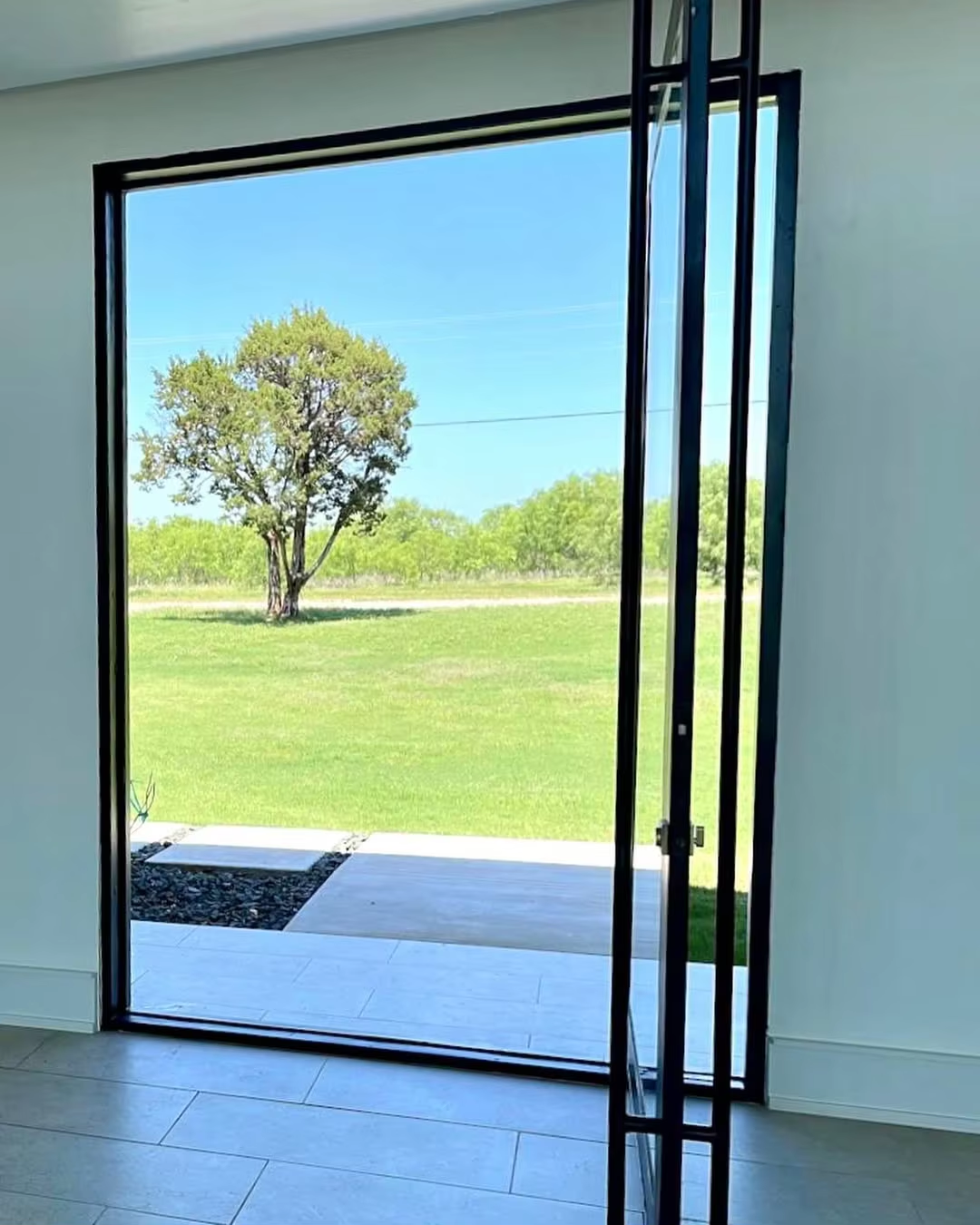
Selecting the right hardware for a custom steel door directly determines how well that door performs under real-world conditions. Many facility managers and building contractors focus primarily on the door frame itself, overlooking the fact that hinges, locks, handles, and closers make the difference between a door that functions reliably for decades and one that fails prematurely. Understanding which hardware options truly matter ensures your steel door investment delivers both security and operational excellence.
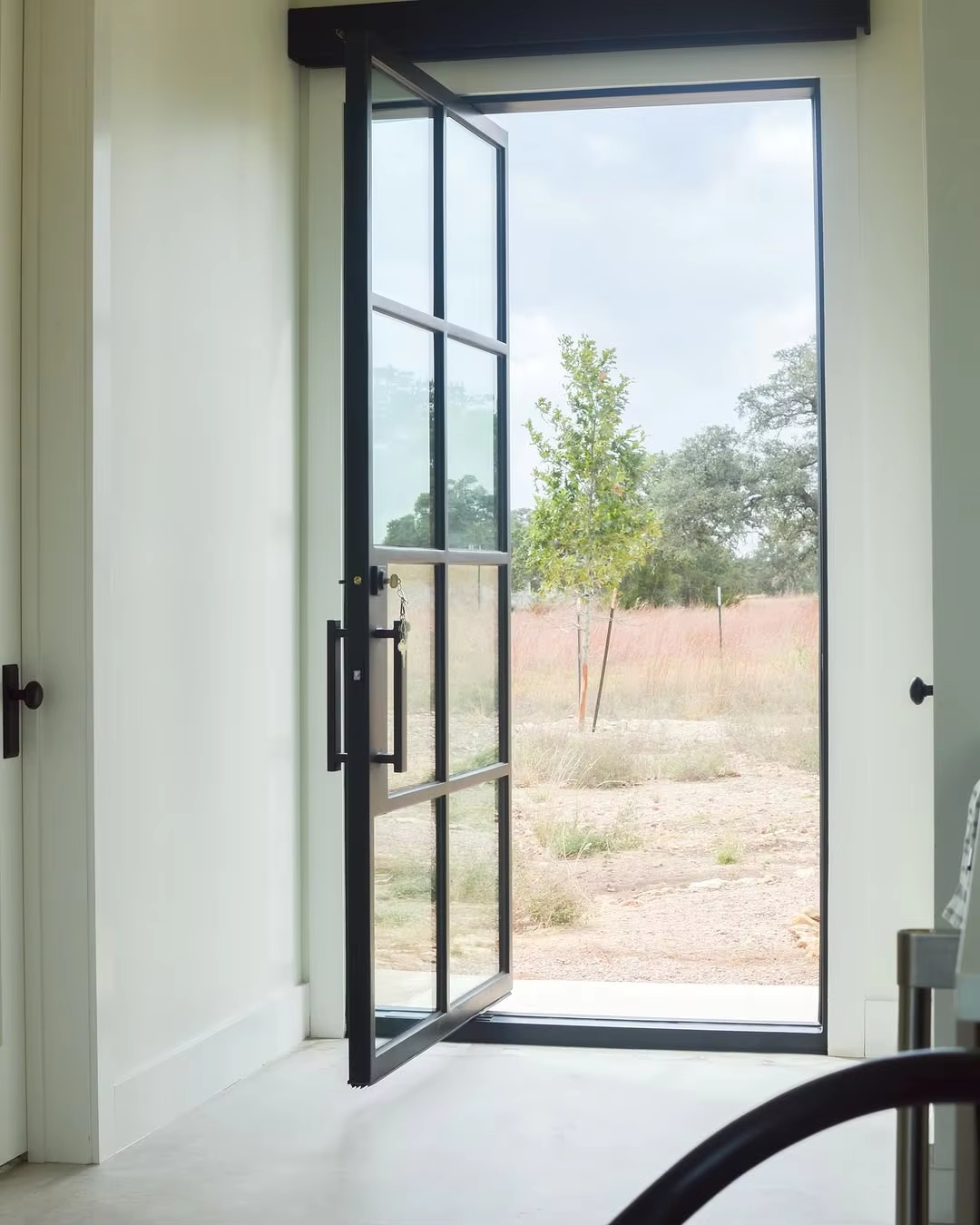
The performance of commercial steel door frames depends heavily on the grade and load rating of attached hardware components. Industrial steel door specifications call for precision-engineered hinges, heavy-duty latching mechanisms, and corrosion-resistant finishes that withstand high-traffic environments. Whether you are specifying doors for manufacturing facilities, data centers, hospitals, or secure access points, the hardware you choose shapes reliability, maintenance costs, and safety outcomes for years to come.
Hinge Selection and Load Capacity
Understanding Hinge Weight Ratings
Hinges are the foundation of door stability and smooth operation. Commercial steel door frames must support doors weighing hundreds of pounds, requiring hinges rated for that specific load. Standard residential hinges typically handle 20 to 40 pounds, while industrial steel door specifications demand hinges rated for 200 pounds or more per set. Load capacity mismatches cause binding, uneven wear, and premature hinge failure that can compromise security and force costly repairs.
Heavy-duty hinges engineered for industrial applications use thicker steel stock, reinforced pin assemblies, and tighter tolerances than lighter-duty alternatives. A three-hinge configuration on a standard steel door spreads load more evenly than two hinges, reducing stress on each bearing point. When specifying commercial steel door frames, always verify that hinge load ratings exceed the actual door weight by at least 25 percent to provide safety margin for dynamic forces and temperature-induced expansion.
Material and Finish Considerations
The finish applied to hinges determines how well they resist corrosion, particularly in humid or chemically aggressive environments. Steel door security features often depend on bright zinc-plated finishes for standard indoor applications, while stainless steel hinges provide superior corrosion resistance in marine, food processing, or chemical storage settings. Powder-coated hinges offer aesthetic options while maintaining protective barriers against rust and degradation.
Stainless steel hinges cost 15 to 30 percent more than zinc-plated alternatives but eliminate rust staining and extend service life dramatically in challenging conditions. Industrial steel door specifications increasingly require stainless hardware in environments where rust contamination affects product quality or where moisture exposure is constant. The material choice reflects both budget constraints and the intended operational environment of your facility.
Lock and Latch Mechanisms
Security Grade and Strike Plate Design
Steel door security features center on robust locking mechanisms and properly installed strike plates that resist forced entry. Commercial steel door frames require locks rated for heavy-use environments, with cylinders designed to prevent tampering and bolts that extend at least one inch into the frame. A quality strike plate spans multiple frame studs and uses lag screws or bolts rather than nails to distribute impact force across larger structural sections.
Industrial steel door specifications often call for Grade 1 locks tested to withstand forced entry attempts and repeated use cycles numbering in the millions. These locks feature reinforced casings, hardened bolt components, and precision-fit mechanisms that maintain security performance even after decades of regular use. Pair high-grade locks with corresponding strike plates engineered to the same security standard, as the weakest link in the assembly determines overall security effectiveness.
Handle and Grip Ergonomics
Door handles serve both functional and accessibility purposes, requiring comfortable grip profiles that work for users of varying hand strength. Commercial steel door frames benefit from lever-style handles rather than knobs, as they require less grip strength and work well with gloved hands common in industrial settings. Stainless steel or powder-coated handles resist fingerprints and corrosion while maintaining ergonomic performance throughout their service life.
Handle finish selection impacts both durability and safety in facilities where personnel wear protective equipment or work in damp conditions. Slip-resistant grip surfaces prevent accidents, while properly sized handles reduce strain-related injuries during high-volume traffic periods. Steel door security features include handles that cannot be easily removed or damaged, protecting the internal locking mechanisms from vandalism or unauthorized access.
Closers, Coordinators, and Operational Hardware
Door Closer Specifications and Performance
Automatic door closers ensure that commercial steel door frames close reliably after each passage, maintaining security and climate control integrity. Industrial steel door specifications require closers with adjustable closing speeds, hold-open periods, and backcheck functions that prevent slamming. Hydraulic closers gradually decelerate the door near the end of its swing, reducing noise and impact stress on frame components while ensuring complete closure even under adverse conditions.
Closer size and power rating must match door weight and width to achieve consistent performance. Oversized closers create excessive closing force that wears hinges and increases operator strain, while undersized closers fail to maintain closing speed in high-traffic environments. Steel door security features depend on closers that function reliably during power interruptions and temperature extremes, making mechanical reliability more critical than electronic alternatives in many industrial applications.
Coordinators and Multi-Leaf Door Systems
When commercial steel door frames include double-leaf or multi-leaf configurations, coordinators ensure proper closure sequence and prevent gaps that compromise security or fire rating compliance. A coordinator forces the passive leaf to close fully before the active leaf begins its closing cycle, maintaining alignment and sealing performance. Industrial steel door specifications for fire-rated assemblies mandate coordinated closers to prevent smoke and flame penetration during emergency conditions.
Coordinator adjustment requires precision and regular maintenance to keep mechanical linkages functioning smoothly. Improper coordination causes binding, misalignment, and premature wear that forces costly service interventions. Facilities managers should budget for annual coordinator inspection and adjustment to maintain the multi-leaf performance that justifies the initial hardware investment.
Durability Factors and Environmental Resistance
Environmental conditions surrounding your facility directly influence which hardware options provide optimal long-term performance. Coastal facilities, food processing plants, and chemical storage areas expose steel door security features to salt spray, moisture vapor, and corrosive atmospheres that accelerate degradation of standard hardware. Stainless steel or specialized coated finishes become essential rather than optional in these settings, protecting against rust that compromises both appearance and function.
Temperature cycling in unheated facilities or outdoor-exposed applications stresses hardware connections and finish integrity. Hardware materials must expand and contract in sync with the steel door itself to prevent gaps and binding that reduce reliability. Industrial steel door specifications for extreme-temperature applications often include hardware selected specifically for thermal compatibility, ensuring years of trouble-free operation regardless of seasonal fluctuations.
FAQ
What load rating should custom steel door hinges have?
Hinges should be rated for at least 125 percent of your door weight. For a 300-pound steel door, specify hinges with a combined load rating of at least 375 pounds. This safety margin accommodates dynamic forces and ensures long-term reliability in commercial applications.
Are stainless steel hinges necessary for all steel door security features?
Stainless hinges offer superior corrosion resistance and are recommended for humid, coastal, or chemically aggressive environments. Standard zinc-plated hinges perform adequately in dry indoor settings where rust is not a concern. Evaluate your specific facility conditions and maintenance resources before deciding between material options.
How often should closers on commercial steel door frames be serviced?
Annual inspection and adjustment maintains optimal closer performance and extends hardware life significantly. High-traffic facilities may benefit from semi-annual service to address wear and maintain consistent closing speeds. Regular maintenance prevents emergency failures that disrupt operations and compromise security integrity.