 EN


The performance of a sliding steel window depends significantly on the quality and design of its track systems. Modern track systems are engineered to enhance operational efficiency, durability, and overall functionality of your sliding steel window installation. Understanding how different track technologies contribute to window performance helps building professionals and property managers make informed decisions about steel window frame installation that will serve their facilities for decades.
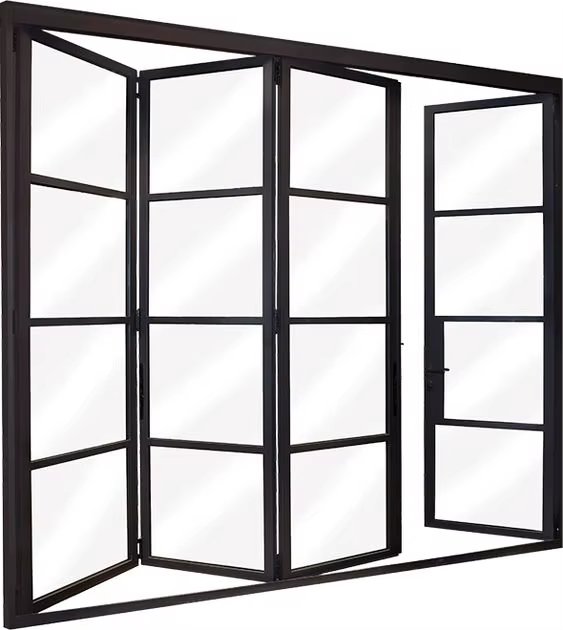
Track system design directly influences how smoothly and reliably a sliding steel window operates throughout its lifecycle. Premium track configurations minimize friction, reduce maintenance requirements, and improve the thermal performance characteristics of your commercial sliding window systems. The right track selection ensures your investment provides consistent performance in demanding architectural and industrial environments.
Understanding Track System Components and Their Role
Core Track Design Elements
The foundation of any high-performing sliding steel window lies in its track geometry and material composition. Commercial sliding window systems typically feature multi-chambered aluminum or steel profiles that guide the window sash smoothly along its path. These track systems must accommodate thermal expansion while maintaining consistent performance across temperature variations. The precision-engineered profile dimensions ensure minimal binding, which is essential for commercial and residential applications requiring frequent opening and closing cycles.
Ball bearing rollers integrated into modern track systems significantly reduce the force required to operate a sliding steel window. These precision components allow smooth movement even in large format installations where panel weight becomes a critical consideration. The durability of bearing systems determines how long your steel window frame installation will maintain its original responsive feel without squeaking or sticking.
Bearing and Roller Technology
Advanced bearing systems transform the user experience with sliding steel window installations by providing effortless operation. Nylon and stainless steel bearing combinations resist corrosion while maintaining smooth rolling action throughout the window lifecycle. Commercial sliding window systems increasingly employ sealed bearing designs that prevent dust and debris intrusion, extending service intervals and maintaining consistent performance. The bearing quality directly correlates with the overall lifespan and maintenance costs associated with your sliding steel window system.
Thermal Performance and Climate Resilience
Thermal Break Integration in Track Systems
Thermal break steel windows incorporate specialized track designs that interrupt heat transfer pathways between interior and exterior environments. The strategic placement of insulating materials within track profiles reduces thermal bridging, a major source of energy loss in traditional sliding steel window installations. Modern thermal break steel windows feature polyamide or polyurethane strips bonded within steel track profiles, creating a barrier that maintains interior temperature stability while reducing heating and cooling demands on building systems.
The effectiveness of thermal break steel windows depends on proper track system design that minimizes exposed metal surfaces on the interior side. Commercial sliding window systems now routinely incorporate multi-stage thermal breaks that achieve performance ratings comparable to conventional window technologies while maintaining the aesthetic and durability advantages of steel. This innovation makes thermal break steel windows increasingly viable for energy-efficient building designs without compromising architectural intent.
Weather Sealing and Drainage Integration
Track systems must manage water infiltration through integrated drainage channels that direct moisture away from interior spaces. Effective commercial sliding window systems incorporate sloped track bottoms and weep holes positioned strategically to shed water before it reaches seals. The design of these drainage pathways within the track system profile determines whether your sliding steel window maintains watertightness through years of exposure to rain and wind-driven moisture events.
Compression seals work in conjunction with track geometry to create weather-resistant barriers around the perimeter of your sliding steel window installation. Modern track systems position seals within recessed grooves that maintain consistent compression while accommodating thermal expansion and normal operational movement. Steel window frame installation quality depends heavily on proper track alignment during assembly, ensuring seals engage uniformly across the entire window perimeter.
Performance Enhancement and Operational Reliability
Smooth Operation and Load Capacity
The sliding steel window performance ceiling is established by track system engineering that handles both routine use and edge case loading scenarios. Premium commercial sliding window systems utilize reinforced track profiles that distribute panel loads evenly across bearing points, preventing sagging or misalignment over decades of operation. The load capacity of track systems determines maximum practical panel dimensions, influencing architectural design possibilities and aesthetic outcomes.
Smooth operation emerges from the cumulative effect of precision manufacturing, appropriate bearing selection, and proper lubrication intervals. Track systems in thermal break steel windows require minimal maintenance when designed with self-cleaning features and sealed bearing compartments. Commercial sliding window systems benefit from track profiles that shed debris automatically during normal operation, reducing the frequency of manual cleaning required to maintain performance.
Accessibility and User Experience
Operating force requirements vary based on track system design, bearing quality, and seal engagement levels within your sliding steel window installation. Accessible design standards require that commercial sliding window systems maintain manageable opening forces throughout the lifecycle, necessitating careful track profile selection and bearing specification. Advanced track systems incorporate multi-point bearing distributions that reduce localized pressure concentrations, ensuring consistent operation regardless of panel size or weight.
User expectations for smooth, effortless window operation drive continuous innovation in track system technology for both residential and commercial applications. Steel window frame installation procedures must account for proper track alignment and bearing adjustment to achieve optimal performance. The subjective satisfaction with a sliding steel window often depends more on the smoothness of track system operation than on any other single factor, making track quality selection critical for building occupant acceptance.
FAQ
What track system improvements matter most for sliding steel window durability?
Track system durability depends primarily on bearing quality, corrosion resistance of materials, and effective drainage design. Sealed ball bearing assemblies prevent debris infiltration, extending component lifespan significantly. Proper steel window frame installation with aligned tracks ensures that bearing loads distribute evenly, preventing premature wear patterns that compromise performance. For commercial sliding window systems exposed to high-use environments, investing in premium bearing specifications and stainless steel track materials provides superior long-term value.
How do thermal break steel windows maintain performance in extreme temperature ranges?
Thermal break steel windows succeed in temperature extremes through track system designs that accommodate expansion and contraction without binding. The polyamide or polyurethane thermal breaks within track profiles absorb stress from dimensional changes that would otherwise accumulate in traditional all-steel designs. Commercial sliding window systems engineered with multi-stage thermal breaks maintain consistent operation from subzero winters to intense summer heat. Proper steel window frame installation with clearances specified for maximum expected thermal movement prevents sticking or binding regardless of seasonal conditions.
Can track system upgrades improve existing sliding steel window installations?
Upgrading track systems in existing installations offers limited practical benefits since tracks integrate permanently into window frames during manufacturing. However, bearing maintenance and lubrication of commercial sliding window systems can restore performance when original operation has degraded. For thermal performance improvements, thermal break steel windows represent a replacement solution rather than an upgrade path for existing installations. Planning new sliding steel window specifications with advanced track systems prevents performance compromises and eliminates costly retrofit efforts in future maintenance cycles.