 EN

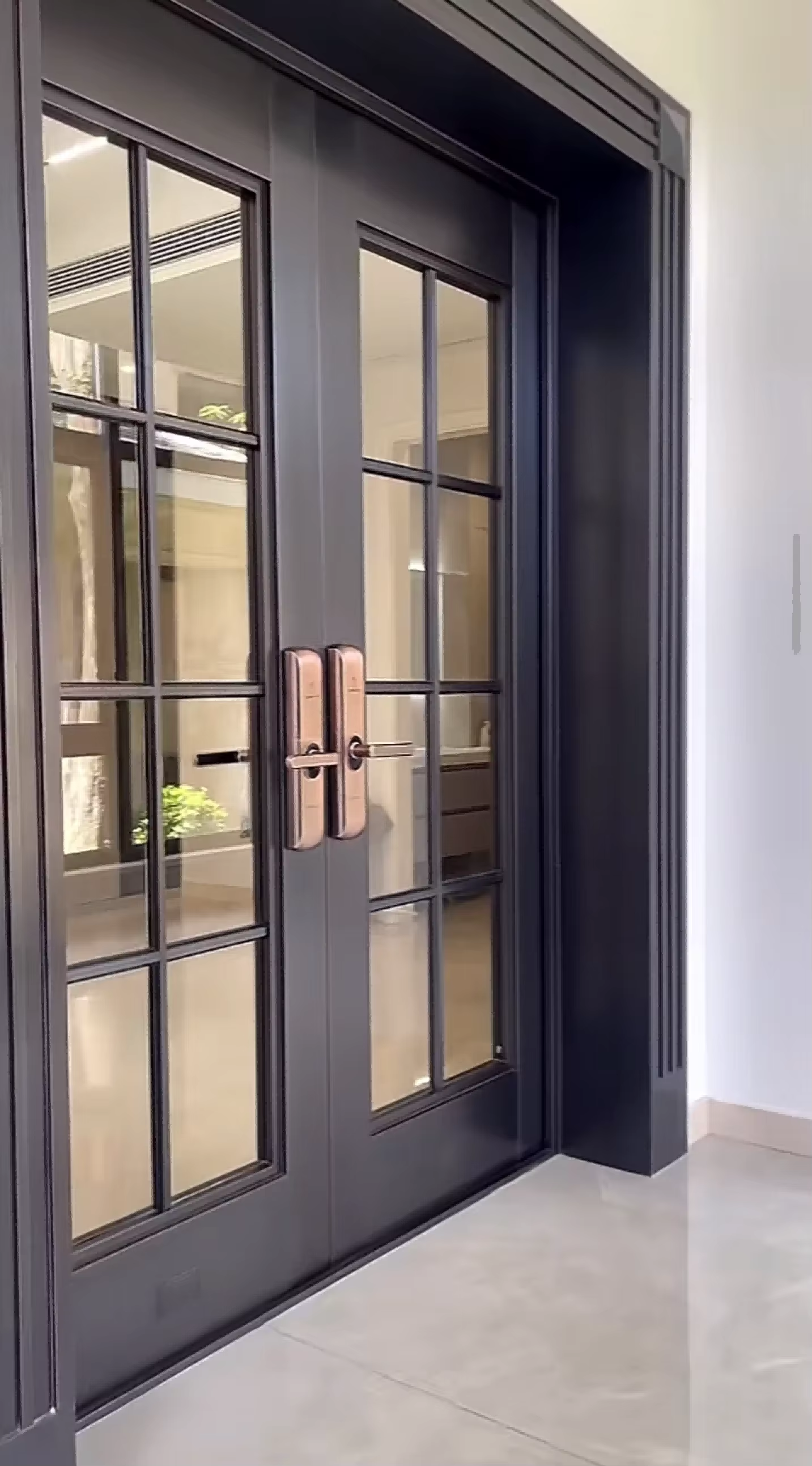
Selecting the right materials and finishes for bespoke metal doors is a critical decision that directly impacts durability, aesthetic appeal, security, and long-term maintenance requirements. Unlike standard off-the-shelf doors, bespoke metal doors offer flexibility in material selection and finish options, allowing architects, designers, and facility managers to align door specifications with project requirements and environmental conditions. Understanding the interplay between material composition, protective coatings, and finishing techniques ensures that custom metal door design choices deliver performance and visual coherence.
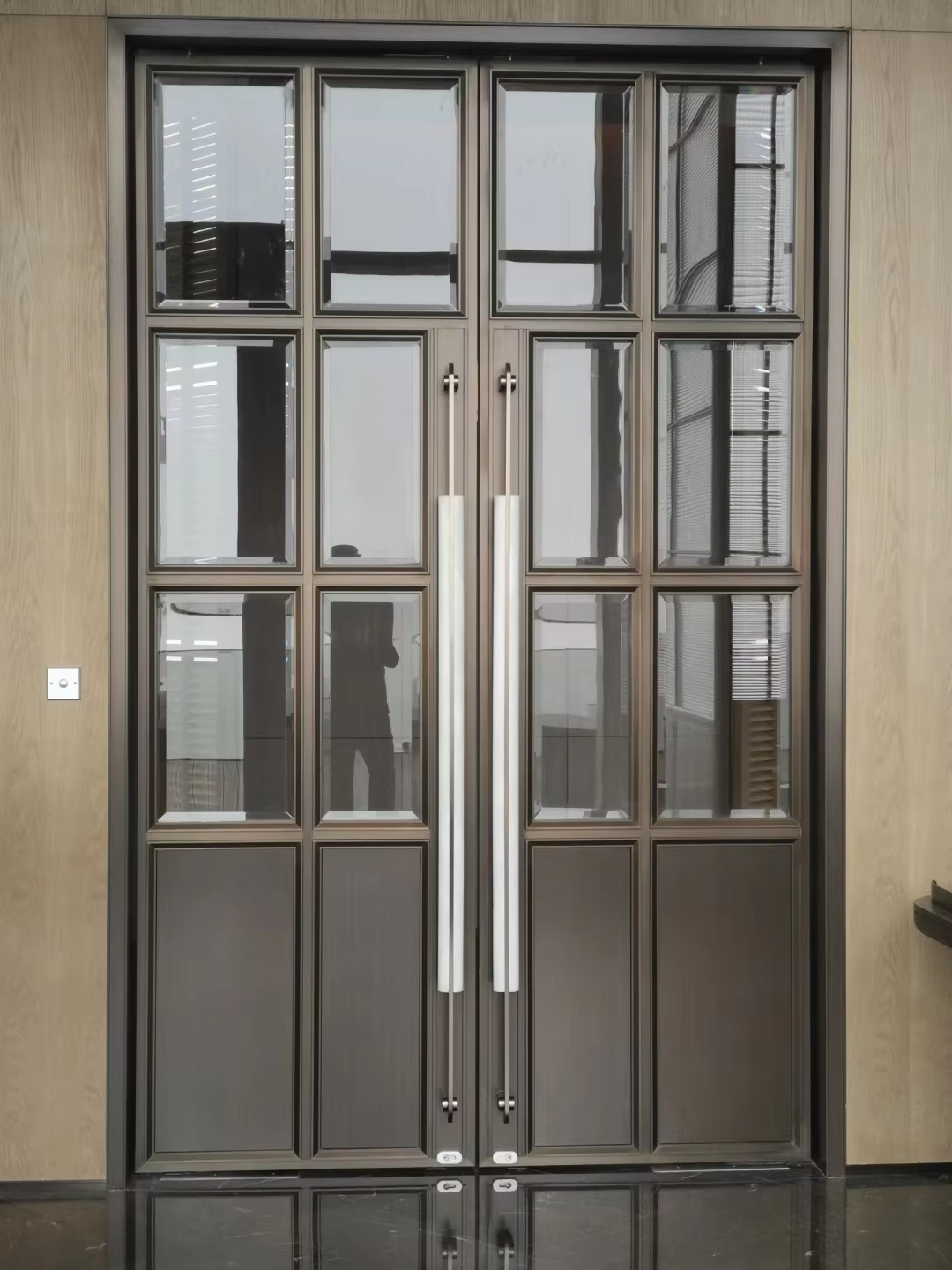
Material Selection for Bespoke Metal Doors Applications
Steel and Stainless Steel Considerations
Steel remains the dominant material for industrial metal entrance doors and structural metal components, prized for its strength-to-weight ratio and cost-effectiveness. Mild steel is highly weldable and formable, making it ideal for complex custom metal door design geometries and load-bearing applications. However, untreated mild steel oxidizes readily, necessitating protective coatings or finishes to prevent rust. Stainless steel eliminates this vulnerability through alloying with chromium and nickel, creating a passive oxide layer that resists corrosion even in harsh marine or chemical environments.
For industrial metal entrance doors exposed to salt spray, moisture, or corrosive atmospheres, stainless steel 304 and 316 grades deliver superior longevity. Stainless steel 316 incorporates molybdenum, enhancing resistance to chloride attack in seaside installations. Steel door specifications must account for chromium content, alloy composition, and heat treatment to ensure compliance with structural codes and corrosion-resistance standards. Although stainless steel commands higher material costs than mild steel, its maintenance-free profile justifies investment in high-security or long-service-life applications.
Aluminum and Specialty Alloys
Aluminum offers lightweight properties that reduce operational strain on hinges and frame components while maintaining excellent corrosion resistance through natural oxide film formation. Custom metal door design incorporating aluminum works well for interior applications, lightweight facade systems, or doors where thermal conductivity is less critical. Aluminum alloys such as 6061-T6 provide good strength-to-weight balance and are readily available in extruded profiles for complex frame designs.
Specialty materials like bronze and brass suit heritage or luxury architectural projects where aesthetic and corrosion characteristics align with design intent. These materials develop distinctive patinas over time, adding character to bespoke metal doors. Titanium and composite metal matrices address extreme performance requirements in aerospace, medical, or high-security applications. Steel door specifications for mixed-material bespoke metal doors assemblies must ensure compatibility between dissimilar metals to prevent galvanic corrosion when materials contact in humid environments.
Surface Finishes and Protective Coatings
Powder Coating and Paint Systems
Powder coating is the predominant finish for industrial metal entrance doors and custom metal door design applications, offering superior durability, uniform coverage, and environmental advantages over liquid paint. Electrostatic application ensures thick, even coating layers that resist chipping and provide excellent corrosion protection when applied over properly prepared steel surfaces. Powder coating systems come in polyester, polyurethane, epoxy, and hybrid formulations, each tailored to specific exposure conditions and aesthetic requirements.
For bespoke metal doors in exterior or corrosive environments, two-part epoxy primers combined with polyurethane topcoats create multilayer protection exceeding single-coat systems. Polyester powders excel in UV resistance and color retention, making them suitable for high-visibility bespoke metal doors. Steel door specifications should mandate surface preparation standards such as SSPC-SP6 (commercial blast cleaning) to achieve proper coating adhesion and corrosion prevention. Custom metal door design detailing must account for coating thickness, edge build-up, and areas requiring post-application touch-up.
Galvanizing and Electroplating
Hot-dip galvanizing provides economical, long-lasting corrosion protection for mild steel industrial metal entrance doors through a metallurgical bond between zinc and steel. The galvanic coating sacrifices preferentially during weathering, protecting base steel even where coatings are damaged. For bespoke metal doors requiring minimal maintenance in harsh coastal, agricultural, or industrial settings, galvanizing offers unmatched service life spanning 50 years or longer in moderate environments.
Electroplating techniques such as zinc plating, nickel plating, and chromium plating create thin, uniform coatings suited to decorative finishes or applications requiring precise dimensional tolerances. Nickel plating beneath chromium provides corrosion resistance and aesthetic appeal for high-end custom metal door design applications. Steel door specifications for galvanized doors must address post-galvanizing handling to prevent zinc dust or fingerprints, and should specify touch-up materials matching original coating composition.
Anodizing for Aluminum Components
Anodizing transforms aluminum surfaces through electrochemical oxidation, creating thick, porous oxide layers that dramatically enhance corrosion resistance and color options. Type II anodizing (standard) and Type III anodizing (hard coat) suit different wear profiles; hard anodizing provides superior abrasion resistance for high-traffic bespoke metal doors. Custom metal door design leveraging aluminum frames benefits from anodizing's ability to accept dyes, enabling vibrant colors while maintaining metallic appearance.
Anodized finishes on aluminum industrial metal entrance doors eliminate need for periodic refinishing, reducing lifecycle costs. Thickness specifications for anodized coatings typically range from 10 to 25 microns for architectural applications. Steel door specifications for mixed-material assemblies must clarify whether aluminum components receive anodizing before assembly, ensuring coating continuity and preventing corrosion at dissimilar-metal interfaces.
Performance Criteria and Selection Logic
Environmental Exposure and Durability Requirements
Matching material and finish selection to environmental exposure is fundamental to bespoke metal doors longevity. Coastal marine environments demand stainless steel or heavy-duty galvanizing because chloride salt accelerates corrosion of unprotected steel and standard coatings. Industrial metal entrance doors in chemical processing plants must withstand acid or alkaline vapors; specialty epoxy or polyurethane coatings provide resistance where standard powder coatings would fail. Urban air pollution, high humidity, and freeze-thaw cycling each impose distinct finish requirements reflected in custom metal door design specifications.
Maintenance access and refinishing capability influence material choice during design phase. Bespoke metal doors fabricated from mild steel with powder coating can be stripped and recoated every 10–15 years in moderate environments, extending service life indefinitely. Conversely, stainless steel bespoke metal doors require no maintenance refinishing, justifying premium material cost in remote locations or high-security facilities where downtime is costly. Steel door specifications should quantify acceptable maintenance intervals and define end-of-life refresh protocols.
Aesthetic Integration and Design Expression
Custom metal door design flexibility enables material and finish choices that express architectural intent while maintaining structural performance. Brushed stainless steel finishes convey contemporary minimalism, while aged bronze or blackened steel emphasizes heritage or industrial character. Powder coating colors range across standard architectural palettes and custom-mixed tones, allowing bespoke metal doors to coordinate with facade materials or brand identity. Matt, satin, and gloss finish options within single material families permit subtle aesthetic variation without material change.
Textured finishes, perforations, and applied ornamentation enhance aesthetic depth in bespoke metal doors while functional finishes prioritize corrosion resistance. Industrial metal entrance doors may incorporate mixed finishes—for example, brushed stainless steel panels with blackened steel frames—creating visual hierarchy. Custom metal door design documentation must clearly specify finish requirements, including gloss levels, color standards, and touch-up material compositions to ensure installed appearance aligns with design intent.
FAQ
What materials work best for exterior bespoke metal doors in salt-spray environments?
Stainless steel 316 and hot-dip galvanized mild steel excel in salt-spray environments because both materials resist chloride attack through passive oxide film formation or sacrificial zinc layers. Custom metal door design in marine locations should prioritize stainless steel for minimal maintenance and maximum longevity. Ensure all fasteners, hinges, and hardware also use stainless steel to prevent galvanic corrosion at dissimilar-metal interfaces. Steel door specifications for coastal installations must mandate thickness and alloy grade supporting 25–40 year service life with inspection intervals only, not refinishing.
Can powder coating be applied to stainless steel bespoke metal doors?
Yes, powder coating adheres well to stainless steel when surface preparation is properly executed, though stainless steel's passive oxide layer requires mechanical abrasion or chemical pre-treatment to accept coating effectively. Custom metal door design incorporating powder-coated stainless steel allows color customization while maintaining corrosion resistance beneath the coating. However, if stainless steel's natural corrosion resistance is the primary design driver, powder coating adds cost and maintenance without functional benefit. Steel door specifications should clarify whether powder coating is specified for aesthetic purposes or functional corrosion protection, guiding material and finish selection logic.
How do I ensure coating adhesion and durability on custom metal door design projects?
Proper surface preparation is the foundation of coating durability; steel door specifications must mandate blast cleaning to SSPC-SP6 commercial standard or equivalent chemical preparation for stainless steel and aluminum. Industrial metal entrance doors should include pre-treatment with conversion coatings (chromate or chromium-free alternatives) before primer application to enhance adhesion. Multi-layer coating systems—primer plus topcoat—outperform single-layer finishes in harsh environments. Bespoke metal doors specifications should define coating thickness measured in dry film microns (DFM), inspection frequency during application, and curing protocols before installation to ensure performance expectations are met.