 EN

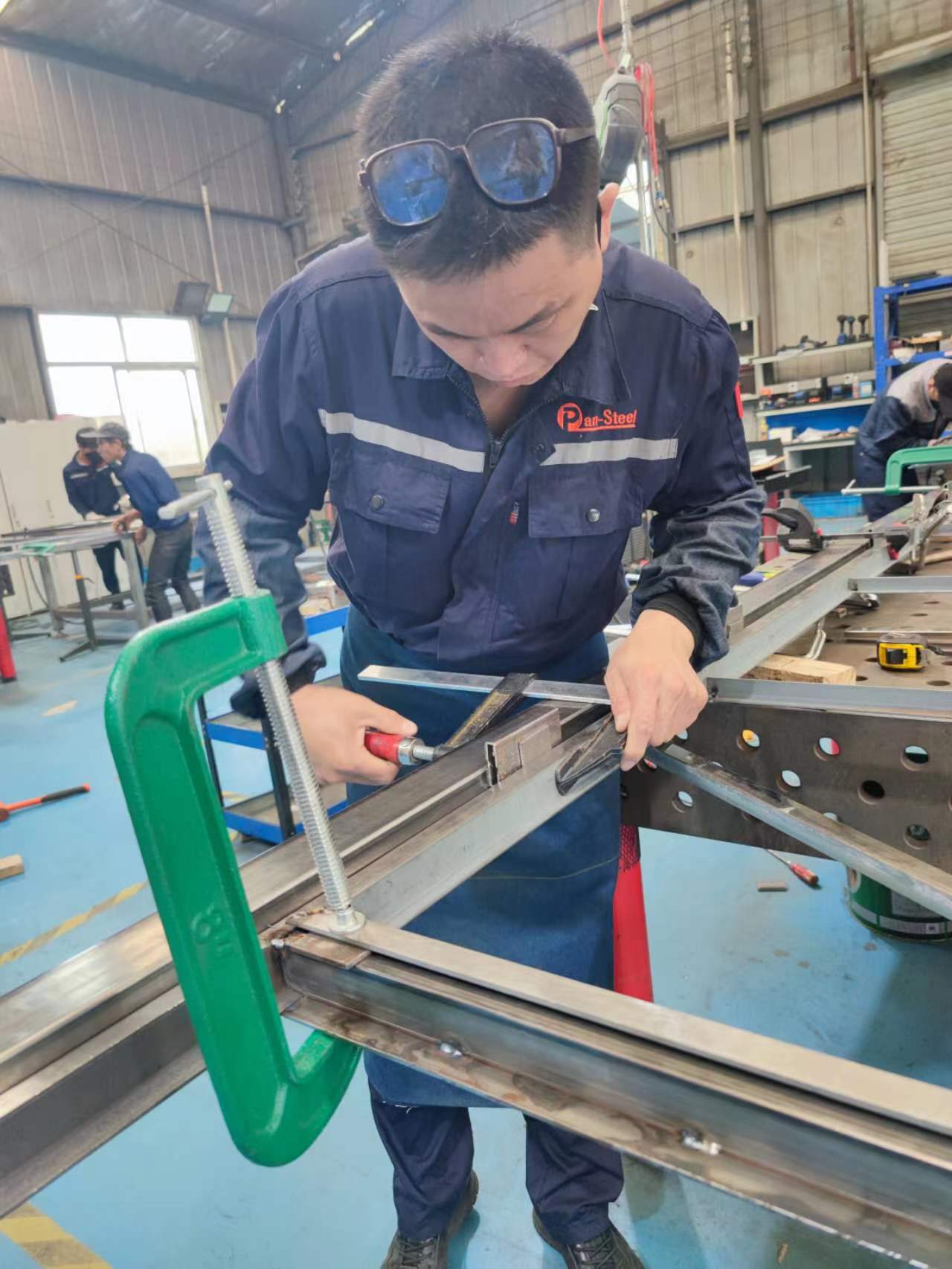
Selecting the right supplier for bespoke metal doors requires a structured evaluation framework that goes beyond price comparisons. Architects and building decision-makers must assess technical capability, design flexibility, material quality, installation expertise, and long-term partnership potential when sourcing bespoke metal doors for commercial or residential projects. This decision directly impacts project timelines, budget adherence, aesthetic outcomes, and the durability of entry systems that define building character.
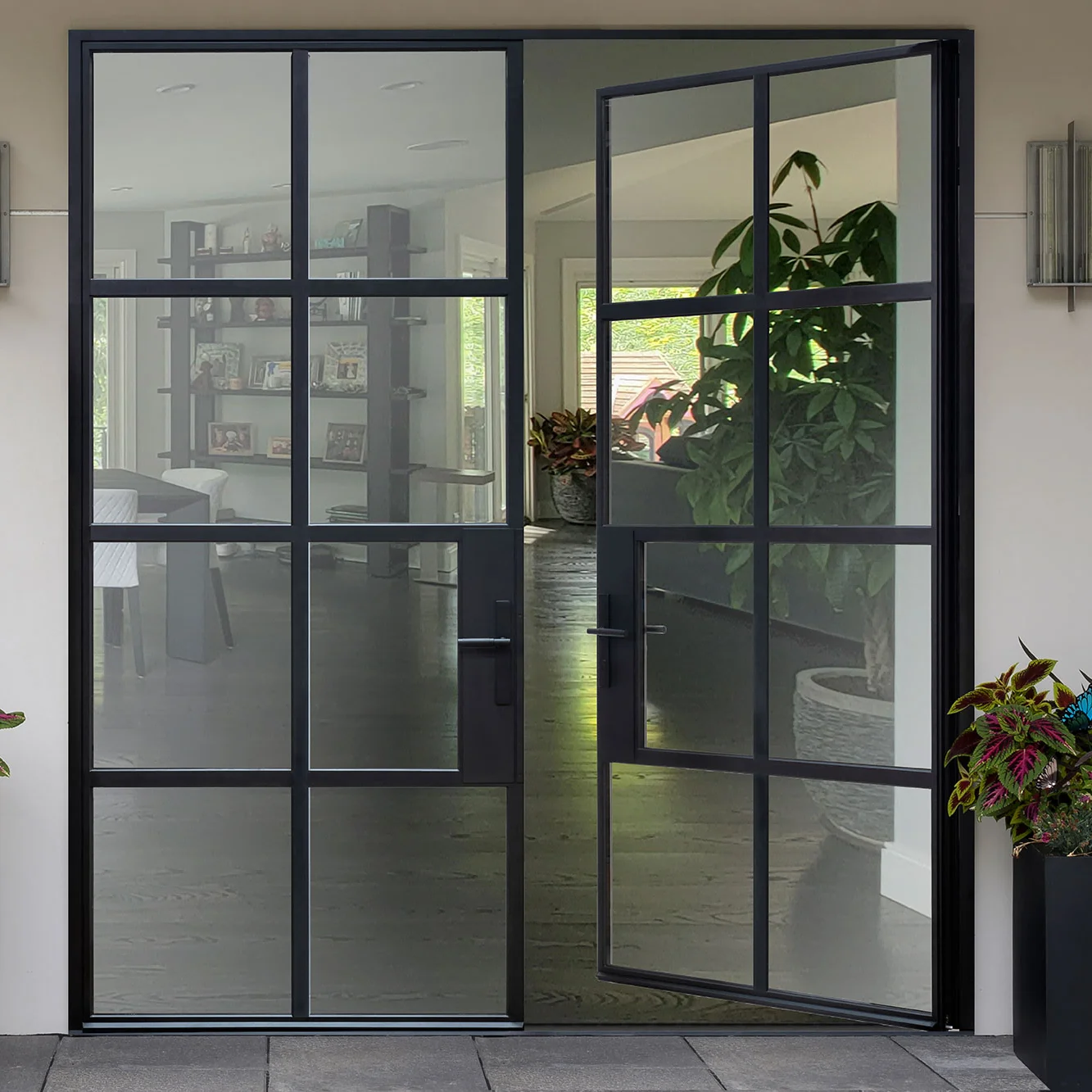
The supplier evaluation process begins with understanding your project's specific requirements. Custom steel door design specifications vary significantly across hospitality, institutional, residential, and industrial applications. Evaluating suppliers means examining their portfolio depth, manufacturing capabilities, adherence to building codes, material sourcing practices, and ability to deliver on complex technical and aesthetic demands within your timeline and budget constraints.
Assessing Design and Customization Capabilities
Portfolio Diversity and Design Expertise
Review a supplier's portfolio to evaluate the breadth and sophistication of their custom steel door design work. Look for evidence of diverse architectural styles, material finishes, hardware integration, and specialized features such as security reinforcement, thermal performance, or heritage restoration. Suppliers with extensive experience across hospitality, institutional, and commercial sectors typically demonstrate deeper design problem-solving skills and a clearer understanding of how industrial metal door specifications vary by application.
Ask potential suppliers for case studies and completed projects similar to your scope. Request examples showing how they have handled complex requests—curved frames, non-standard dimensions, integrated glazing, custom hardware detailing, or specific finish requirements. A supplier's willingness to provide detailed project documentation and contact references signals transparency and confidence in their work quality.
Customization and Design Flexibility
Evaluate whether suppliers can truly accommodate your custom steel door design vision or whether they work primarily from standard templates with limited variation. Request a design consultation process outline and timeline. Understand how they manage design revisions, approvals, and documentation handoffs. Reputable suppliers invest in collaborative design workflows, CAD capabilities, and clear communication checkpoints that prevent costly errors and ensure alignment before fabrication begins.
Evaluating Technical Standards and Material Quality
Material Sourcing and Industrial Metal Door Specifications
Industrial metal door specifications demand strict attention to material composition, gauge thickness, welding standards, and finishing processes. Ask suppliers about their material sourcing practices, certification standards, and quality assurance testing protocols. Verify that materials meet or exceed relevant building codes, fire ratings, security standards, and environmental requirements applicable to your jurisdiction and building use class.
Request written technical documentation that specifies steel grades, coating systems, hardware compatibility, structural load calculations, and compliance certifications. Suppliers should provide detailed industrial metal door specifications in accessible formats, including finish options, corrosion resistance ratings, thermal insulation values if applicable, and warranty terms. This documentation demonstrates manufacturing discipline and helps your team make informed material selections aligned with project performance requirements.
Quality Control and Testing
Assess the supplier's quality assurance framework. Do they conduct independent material testing, dimensional verification, and finish inspections before shipment? Request information about their testing protocols, frequency of third-party audits, and corrective action processes. Suppliers who invest in rigorous quality control typically experience fewer job-site issues, reduce installation delays, and deliver consistent product performance that protects your project reputation and client satisfaction.
Analyzing Installation Support and Project Economics
Installation Expertise and Support Structure
Evaluate whether the supplier provides comprehensive installation guidance, technical drawings, and field support capabilities. Complex bespoke metal doors require precise installation, proper shim settings, hardware adjustment, and finish protection during construction. Request documentation of their installation protocols, training materials for your contractor, and availability for job-site consultation. Some suppliers offer direct installation services or maintain certified installer networks that add value and reduce execution risk.
Ask about warranty scope, coverage terms, and how they handle field adjustments or finish touch-ups post-installation. A supplier committed to successful project outcomes offers clear communication channels, responsive troubleshooting, and reasonable remedies if defects arise during or after installation.
Bespoke Door Installation Cost Assessment
Obtain detailed bespoke door installation cost breakdowns that itemize material costs, custom fabrication labor, hardware, finishing, packaging, transportation, and any installation or commissioning services. Request quotations from multiple qualified suppliers to establish reasonable market pricing and identify cost drivers. Avoid suppliers whose pricing appears significantly lower than peers without transparent explanation—this often signals material corner-cutting, abbreviated fabrication timelines, or hidden charges that emerge later.
Evaluate the total cost of ownership beyond initial purchase price. Consider lead times, installation complexity, warranty coverage, and long-term maintenance expectations. A higher initial investment from a more capable supplier often delivers superior long-term value through reduced installation friction, fewer on-site modifications, enhanced aesthetic durability, and sustained functionality over the building's lifecycle.
Evaluating Supplier Reliability and Partnership Fit
Communication and Project Management Capability
Assess communication responsiveness and project management discipline during the evaluation phase itself. How quickly do they answer technical questions? Do they provide clear documentation and timely updates? A supplier's communication patterns during pre-contract discussions typically reflect their operational reliability and professionalism throughout fabrication, shipping, and installation phases.
Discuss scheduling and lead time commitments. Request written confirmation of delivery timelines, milestones, and contingency protocols if delays occur. Understand their typical order-to-delivery cycle for custom work and whether they can accommodate accelerated schedules. Project managers need confidence that suppliers will honor delivery commitments and provide adequate notice of any scheduling changes.
Financial Stability and Long-Term Viability
Verify that potential suppliers maintain sufficient financial stability to complete your order and honor warranty obligations years after delivery. Request information about company tenure, ownership structure, and any recent business changes. Suppliers with long operational history, stable management, and transparent business practices provide greater assurance of project completion and post-sale support availability.
FAQ
What key questions should I ask before selecting a bespoke metal doors supplier?
Ask suppliers about their design consultation process, material sourcing certifications, quality assurance protocols, installation support capabilities, warranty scope, and references from similar projects. Request detailed industrial metal door specifications documentation and confirm that they can meet your custom steel door design requirements, timeline, and budget constraints. Understanding their communication processes, lead times, and post-installation support helps identify the best partnership fit for your project.
How do I evaluate bespoke door installation cost versus supplier quality?
Request itemized bespoke door installation cost quotations from multiple qualified suppliers to establish pricing benchmarks. Avoid selecting suppliers solely on lowest price; instead, evaluate total value including fabrication quality, installation support, warranty coverage, and long-term durability. A supplier offering slightly higher pricing but superior expertise, detailed documentation, and comprehensive installation support often delivers superior project outcomes and lower total lifecycle costs than cheaper alternatives with limited accountability.
What industrial metal door specifications matter most for my project?
Prioritize industrial metal door specifications that align with your application: building code compliance, fire ratings, security requirements, thermal performance, corrosion resistance, structural load ratings, finish durability, and hardware compatibility. Work with your supplier to document these specifications in detail before fabrication begins. Request third-party testing evidence or certifications that validate key performance claims, ensuring your custom steel door design meets all regulatory and functional requirements.